

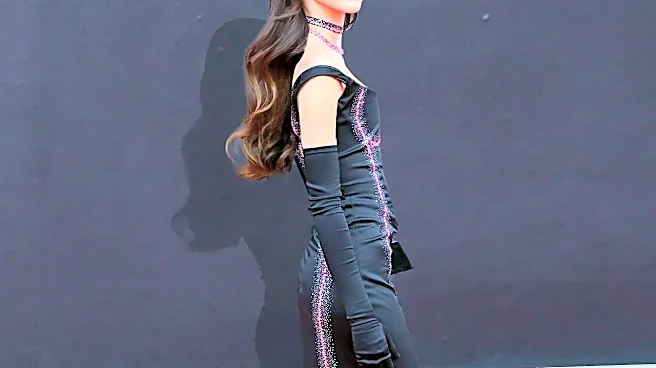
The Search for a Legend
The journey begins long before the awards show, with a stylist hunting for a one-of-a-kind piece. This isn't a typical shopping trip. Stylists and their teams dive into the world of high-end vintage, contacting specialized dealers, private collectors,
and fashion archives. These sources house priceless garments, from iconic 1950s Dior to bold 1990s Versace, each with its own history. The goal is to find a dress that not only fits the event's glamour but also tells a story and ensures the celebrity won't be seen in the same look as anyone else. This trend has become increasingly popular as stars seek to showcase individuality and a sense of fashion history. The selection process is intense, involving negotiations for loans and agreements on how the precious garment will be handled.
The 'Do No Harm' Fitting
Once a dress is chosen, the real challenge begins: making a decades-old garment fit a modern body without causing irreversible damage. This is where master tailors and sometimes fashion conservators come in. Unlike regular alterations, cutting into the original fabric of a vintage couture piece is almost always forbidden. The guiding principle is preservation. These specialists are experts in what’s called “temporary alterations.” Instead of cutting, they use a series of clever techniques. Seams are carefully let out if there's extra fabric, but more often, tailors will add hidden panels or gussets that can be removed later. They might create an internal corset or foundation garment to help the celebrity fit the dress, rather than making the dress fit the celebrity. Every pin and stitch is a calculated risk, designed to be completely reversible.
The Art of Invisible Work
The changes made to a vintage gown are meant to be invisible. A skilled tailor might spend hours meticulously sewing in temporary seams with fine thread that won't leave marks. If a dress is too big, they'll use darts and tucks that can be taken out without a trace. Sometimes, a zipper might be delicately repositioned or a new closure system, like hidden hooks and eyes, is added inside the original lining to achieve a snugger fit. For delicate, beaded, or embroidered fabrics, the work is even more painstaking. Tailors must work around the embellishments, and any loose threads or beads are carefully reinforced before the event. The goal is to ensure the gown looks pristine and custom-fit for its few hours in the spotlight, then can be returned to its original state.
Red Carpet Ready
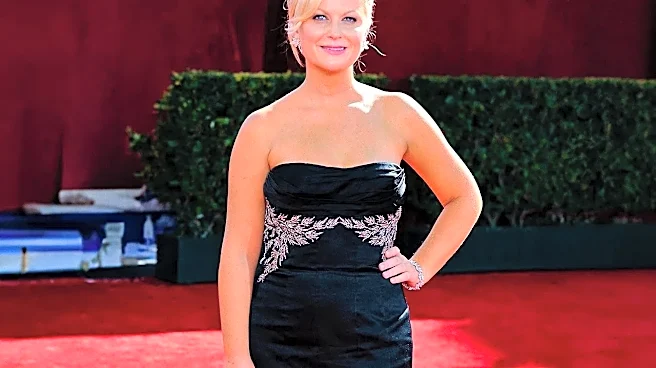
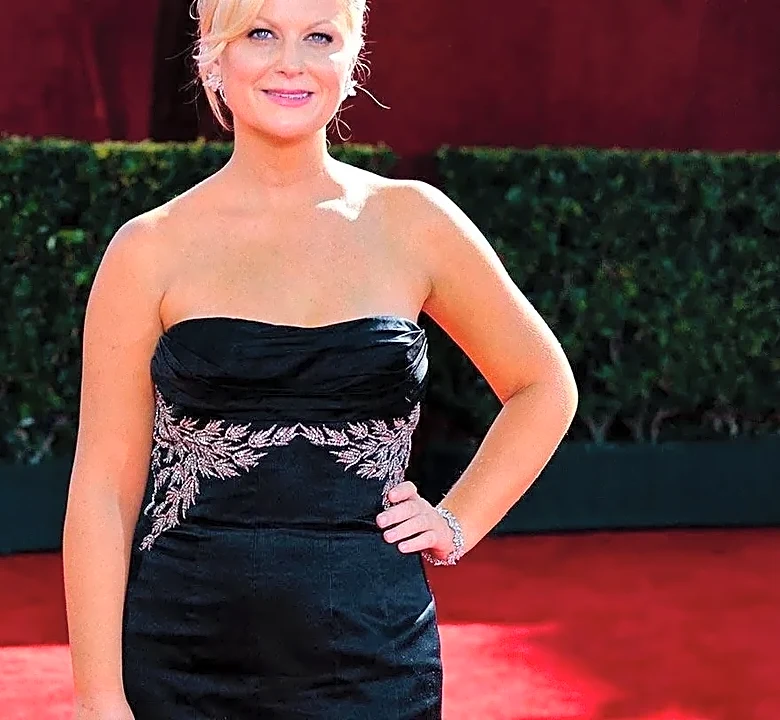
On the day of the Emmys, the process isn't over. The stylist and often a tailor are on hand to manage the final fitting. They assist the celebrity in getting into the delicate garment, making last-minute adjustments with fashion tape or a final hidden stitch. Transporting the dress is a logistical feat, often involving specialized garment bags and careful handling to prevent any strain on fragile fabrics. Once on the red carpet, the celebrity is mindful of every move, conscious that they are wearing a piece of history. After the event, the dress is immediately returned to the tailor or archivist, who painstakingly removes every alteration, inspects it for any damage, and prepares it for storage, where it waits for its next potential moment in history.