
The Rag-Tag Traveling Carnival
It all started as a farewell tour for Jane's Addiction. Founder Perry Farrell envisioned a new kind of festival, one that broke down genre walls and took its show on the road. Inspired by European festivals like Reading, the first Lollapalooza in 1991
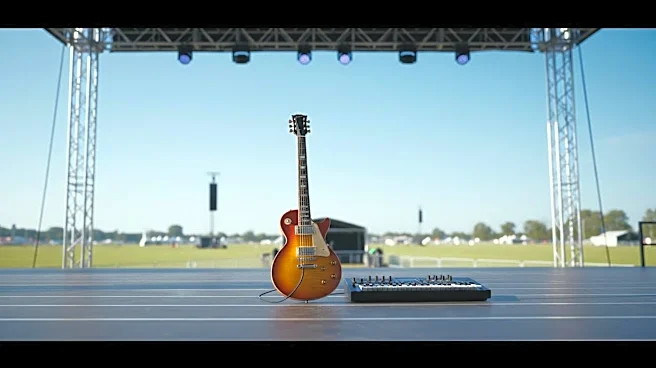
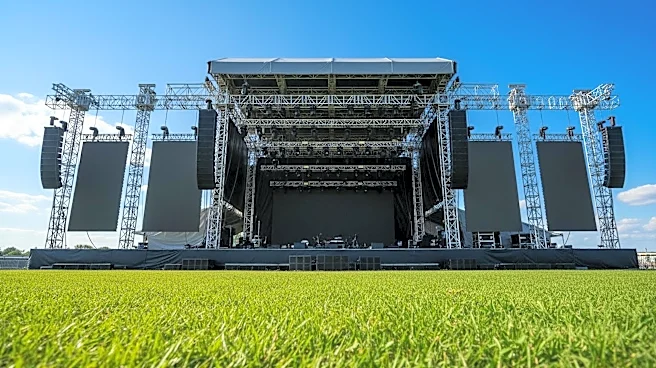
was a touring caravan that hit over 20 North American cities. The production was, by modern standards, lean. It was a one-day event in each city, often at outdoor amphitheaters, with a main stage and not much else. But its genius was in its curation and attitude. It wasn't just a concert; it was a cultural happening, mixing alternative rock and hip-hop with art installations and activist booths. This was the “portable rock stage” era—a massive logistical feat, but one defined by what could be packed up and moved to the next town.
Putting Down Roots in Chicago
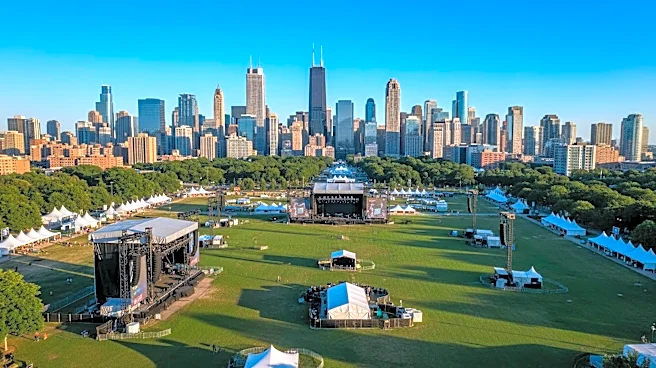
After a successful run through the '90s, the touring model began to falter due to rising costs and shifting musical tastes, leading to a cancellation in 2004. The festival needed a new identity. In 2005, Farrell partnered with producers C3 Presents and made a critical decision: Lollapalooza would stop traveling and become a two-day destination festival in Chicago’s Grant Park. This was the game-changer. Planting roots meant the production was no longer constrained by the limits of the road. Suddenly, building something bigger was possible. The festival could invest in semi-permanent infrastructure, create more elaborate stages, and design a more immersive environment. It was no longer a show that came to your city, but a city you traveled to for the show.
Building a Musical Metropolis
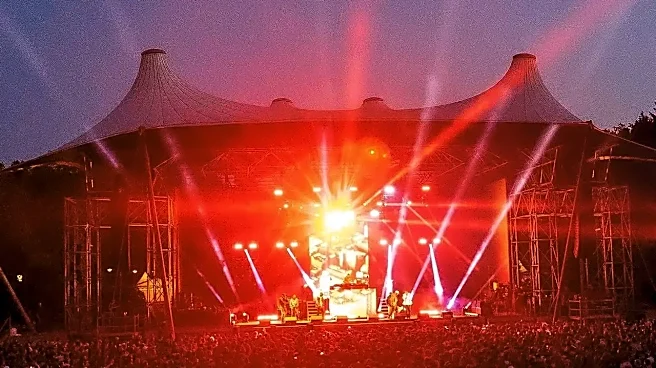
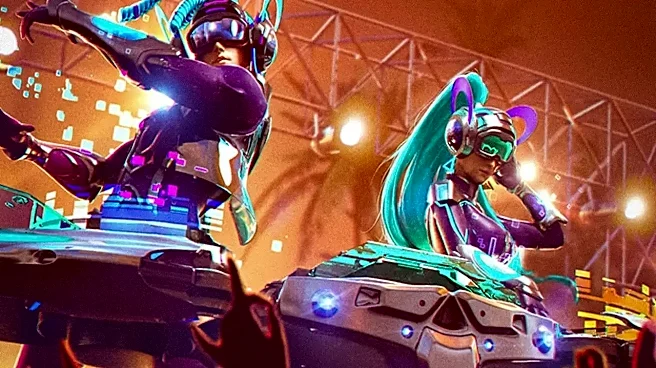
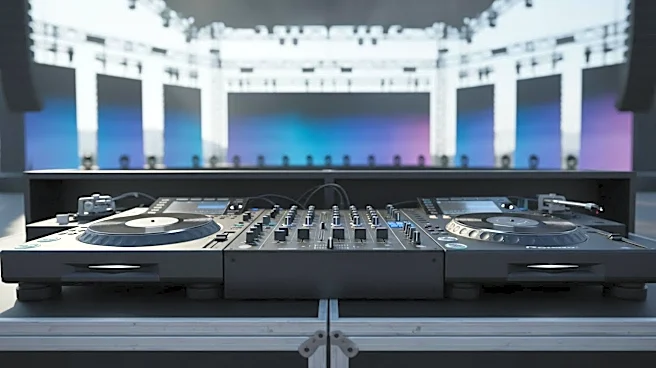
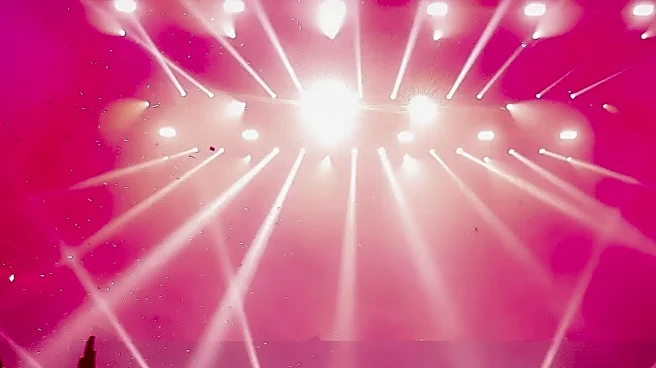
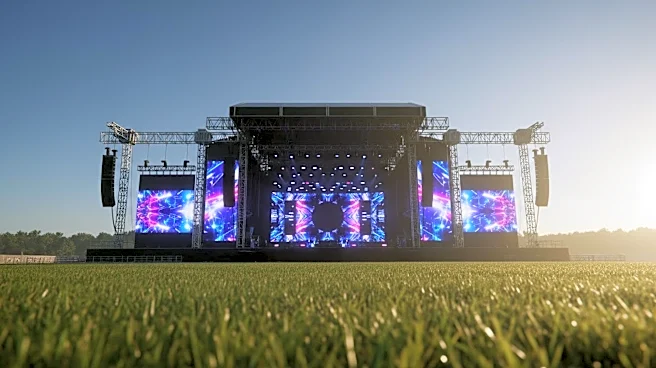
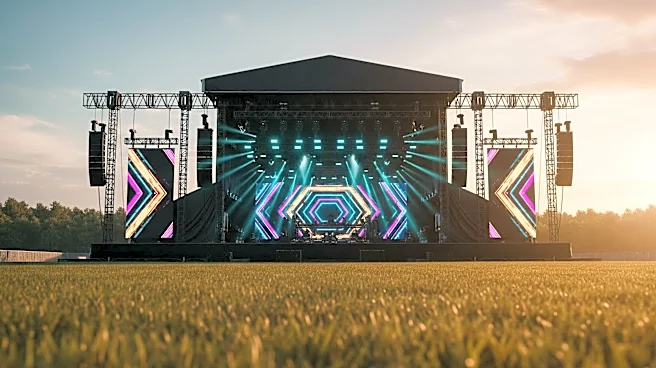
The Chicago era unleashed the “city-scale spectacle.” Freed from touring logistics, Lollapalooza expanded dramatically. It grew from two days to three, and eventually to the four-day, 170+ artist behemoth it is today. The number of stages ballooned to eight, anchored by two massive main stages at opposite ends of Grant Park, engineered to host the world's biggest headliners with staggering sound and light rigs. A staggered schedule allows nearly half a million attendees to flow between them. The layout is so consistent year-to-year that it functions like a recurring city grid. Beyond the main stages, specialized environments sprung up. Kidzapalooza created a family-friendly festival-within-a-festival. Most notably, Perry's Stage evolved from a small tent into a full-blown EDM mega-structure, a fire-breathing monster dedicated to electronic music that became a major festival draw in its own right.
The Spectacle is the Show
Today's Lollapalooza is a feat of urban planning as much as concert promotion. The scale is immense, requiring complex audio engineering with delay towers to ensure sound quality across the vast park and hybrid battery systems to power entire stages. It’s more than a collection of stages; it’s a fully integrated experience. Sprawling food courts, art installations, and sponsored lounges are as much a part of the landscape as the music. The evolution from a single, portable stage to this sprawling, multifaceted event reflects the broader shift in the music industry. The festival is no longer just a platform for the music; it's a destination, an experience where the sheer scale and immersive production have become a core part of the attraction.