





First Off, What's an Auteur?
Before we dive into the canals of Venice, let's clear up that fancy-sounding word: auteur. French for "author," the term was championed by film critics to describe a director who is the primary creative force behind a film. An auteur doesn't just call
"action" and "cut"; they impose a distinct, recognizable vision across their body of work through recurring themes, signature visual styles, and total creative control. Think of Wes Anderson’s symmetrical, storybook worlds or Quentin Tarantino's snappy, non-linear dialogue and pop-culture-infused violence. These filmmakers are seen as the true "authors" of their movies, guiding every element, much like a conductor leads an orchestra, to create a cohesive artistic statement. While filmmaking is deeply collaborative, auteur theory posits that the director's vision is the unifying force that gives a film its unique identity.
The Lido's Love Affair with Visionaries
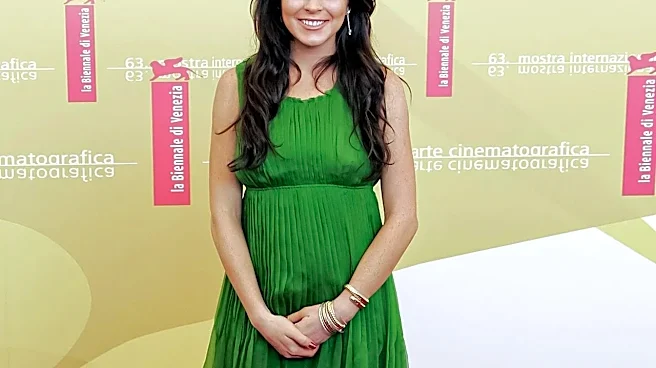
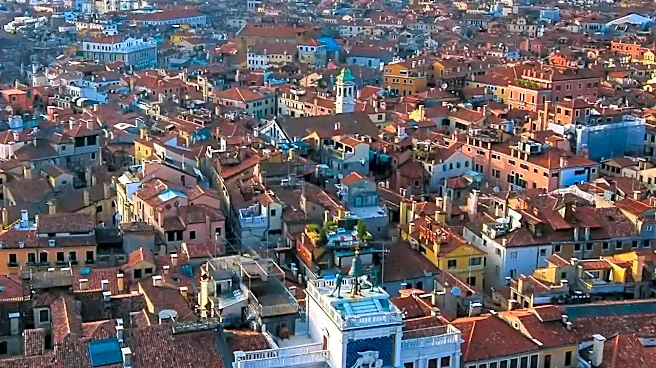
So, why does this matter so much at Venice? As the world's oldest film festival, Venice has cultivated a brand built on prestige and artistic integrity. Unlike some festivals that might prioritize commercial appeal, Venice has a long history of celebrating cinematic art and launching careers. Auteur directors, with their strong, often uncompromising visions, fit perfectly into this ethos. The festival provides a high-profile stage for directors who might be seen as too risky or unconventional for mainstream Hollywood. Presenting a film at Venice signals that it is a work of serious artistic intent. The festival’s artistic director, Alberto Barbera, has been widely recognized for his skill in selecting films that discover and launch new international talents while advancing the culture of cinema.
More Than a Name, It's a Brand
In today’s crowded media landscape, a director’s name functions as a powerful brand. When a film is marketed as “the new Yorgos Lanthimos movie” or “a film by Luca Guadagnino,” it comes with a built-in set of expectations. This branding immediately tells a specific audience what kind of experience they are likely to have. For distributors and marketers, this is invaluable. It helps a challenging or esoteric film cut through the noise, attracting critics, cinephiles, and awards voters who trust the director's reputation. A director's brand becomes a seal of quality, suggesting the film is worth paying attention to even before the first review drops. In the business of Hollywood, this kind of well-defined brand identity makes a film easier to sell and discuss.
The Golden Lion and the Awards Season Kickoff
Venice isn't just a celebration of art; it's the unofficial starting gun for the marathon that is Oscar season. A strong showing on the Lido can generate crucial momentum that carries a film for months. Winning the festival’s top prize, the Golden Lion, is a massive boost. Just look at recent history: films like "Joker" and winners directed by Chloé Zhao, Guillermo del Toro, and Yorgos Lanthimos all leveraged their Venice premieres into major awards success. The “auteur advantage” is critical here. A film by a respected director is immediately taken more seriously as a contender. It gives voters and critics a narrative to latch onto: the singular vision of a master filmmaker. This halo effect can influence everything from distribution deals to the willingness of a studio to fund a pricey awards campaign.
The Pressure of the Pedestal
Of course, this advantage can also be a double-edged sword. For an established auteur, the expectation to deliver a masterpiece at every turn can be immense. A high-profile premiere at Venice puts a director’s reputation on the line in front of the world's most discerning critics. A lukewarm reception can be perceived as a major stumble, and the pressure to innovate while staying true to one's brand can become a creative straitjacket. The very thing that gives them an advantage—a recognizable style—can lead to criticism if it feels repetitive or self-indulgent. Being an auteur in the Venice spotlight means facing not only the potential for great reward but also the risk of a very public failure.