



The films of Iranian director Majid Majidi offer a window into a world of profound humanity, often seen through the eyes of children. If you've been chasing the feeling his movies leave you with, here are some international hidden gems to add to your
list.
The Runner (1984)
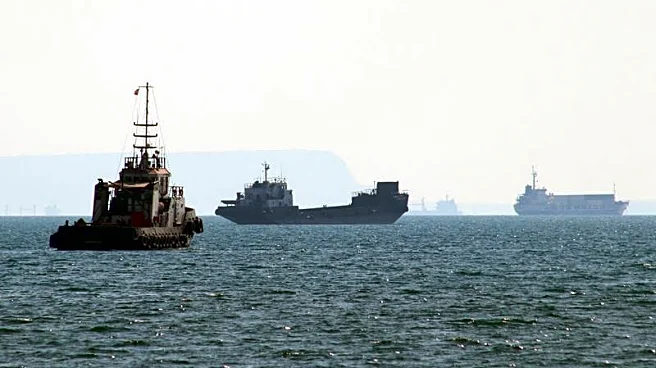
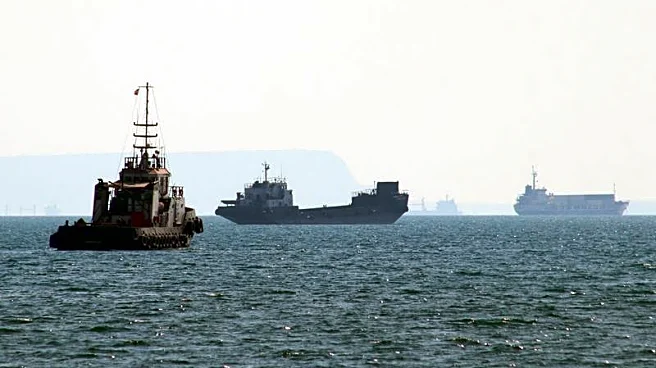
A foundational film of post-revolutionary Iranian cinema, Amir Naderi's 'The Runner' is a visceral and poetic portrait of youthful resilience. It follows Amiro, an illiterate orphan who survives by doing odd jobs in the port city of Abadan. But Amiro's life isn't defined by his poverty; it's defined by his relentless pursuit of motion, knowledge, and a world beyond his grasp. He races ships, chases airplanes, and ultimately, runs toward the dream of learning to read. The film's raw energy and the stunning performance by its young lead create a character portrait that is both specific to its time and place—a war-torn Iran haunted by the memories of a different era—and universal in its depiction of a child's unbreakable spirit. For Majidi fans, it's a look at one of the films that helped pave the way.
Turtles Can Fly (2004)
Set in a Kurdish refugee camp on the Iraqi-Turkish border just before the 2003 U.S. invasion, this film from Bahman Ghobadi is a devastating but essential watch. The story is told through the eyes of children who have been forced to become adults. The protagonist, a resourceful boy nicknamed 'Satellite', organizes the other children, barters for unexploded landmines, and tries to install an antenna to get news of the impending war. The film is unflinching in its portrayal of the physical and psychological scars of conflict, particularly through the story of a traumatized girl and her armless, clairvoyant brother. Yet, like Majidi's work, it finds moments of humanity and even humor amidst the hardship, showcasing the incredible resilience of children in the most dire of circumstances. It was the first film shot in Iraq after the fall of Saddam Hussein.
Wadjda (2012)
The first feature film ever shot entirely in Saudi Arabia—and by a female director, Haifaa al-Mansour—'Wadjda' is a quiet revolution in the form of a simple story. 10-year-old Wadjda wants to buy a green bicycle so she can race her friend, a boy from the neighborhood. But in her world, girls don't ride bikes. What follows is a charming, funny, and deeply insightful look at the daily restrictions and cultural pressures faced by women in Saudi society, all seen through the determined eyes of a young girl who refuses to take 'no' for an answer. The film beautifully captures a child's simple desire for freedom and fun, turning it into a powerful statement without ever feeling preachy. Its authenticity and heartfelt central performance make it a perfect match for those who appreciate Majidi's focus on small, personal quests with big emotional stakes.
Nobody Knows (2004)
Japanese master Hirokazu Kore-eda shares Majidi's profound empathy for children, and this film is arguably his most heartbreaking exploration of the theme. Based on a true story, 'Nobody Knows' follows four young siblings who are abandoned by their mother in a small Tokyo apartment. The eldest, 12-year-old Akira, must take on the role of parent, trying to keep his family together and hidden from the outside world. Kore-eda's gentle, observational style watches as the seasons change and the children's insular world slowly unravels. There is no melodrama, only the quiet, devastating reality of their situation. The film is a masterful study of familial bonds, neglect, and the incredible, often tragic, resilience of children left to fend for themselves.
Capernaum (2018)
While it earned an Oscar nomination, Nadine Labaki’s Lebanese powerhouse still feels like a discovery for many U.S. viewers. The film is a visceral, neorealist dive into the slums of Beirut, following Zain, a hardened 12-year-old boy who decides to sue his parents for the 'crime' of giving him life. Told in flashback, the film reveals the incredible hardship and neglect that led him to this point. Like Majidi, Labaki draws a breathtakingly naturalistic performance from her non-professional child actor, Zain Al Rafeea, a Syrian refugee whose own life experiences informed the character. The film is a raw, kinetic, and emotionally overwhelming experience that shares a direct lineage with Italian neorealism and the Iranian children's cinema that Majidi helped define.
Theeb (2014)
Often described as a 'Bedouin Western,' this Jordanian film is a stunning coming-of-age adventure set in the desert province of Hijaz during World War I. Theeb, whose name means 'wolf,' is the young son of a deceased Bedouin sheik. When his older brother is tasked with guiding a British officer on a dangerous mission, Theeb secretly follows them into the vast, treacherous landscape. What begins as a boy's adventure quickly turns into a harrowing struggle for survival against bandits, mercenaries, and the harshness of the desert itself. The film tells a grand story from a small perspective, viewing the monumental shifts of history through the eyes of a child trying to navigate a world of complex adult codes and loyalties. The breathtaking cinematography and powerful sense of place will captivate any fan of visually driven storytelling.
Ilo Ilo (2013)
A warm, funny, and deeply moving film from Singapore, 'Ilo Ilo' explores family dynamics through the relationship between a troublesome 10-year-old boy, Jiale, and his family's new live-in maid from the Philippines, Teresa. Set against the backdrop of the 1997 Asian financial crisis, the family is struggling to maintain their middle-class lifestyle, and the tension is palpable. Initially hostile, Jiale slowly forms a deep, surrogate mother-son bond with Teresa, much to the jealousy of his own stressed mother. Director Anthony Chen, drawing on his own childhood experiences, crafts an intimate and authentic portrait of class, immigration, and the complex, often unspoken, ties that bind a family. It’s a humane and gentle story that finds profound emotion in the details of everyday life.