


What Exactly Is the 'Streaming Bump'?
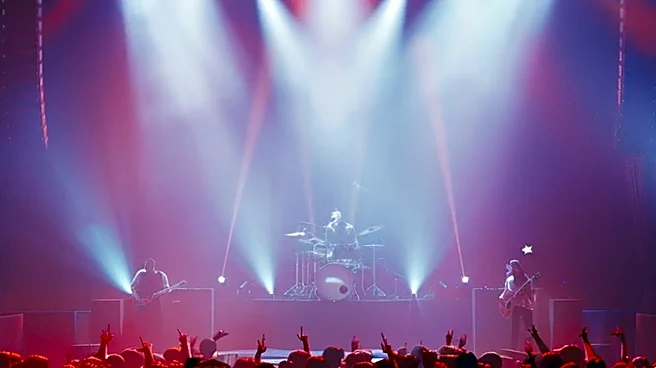
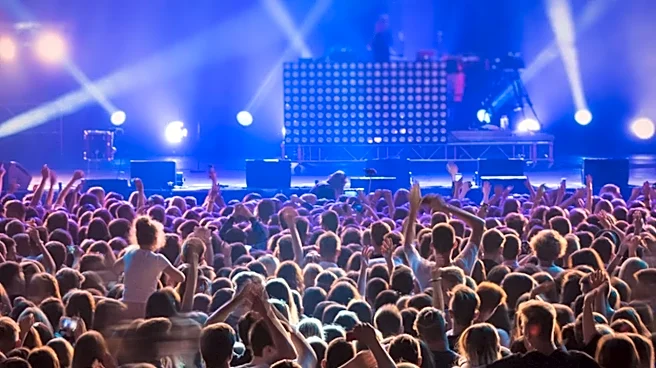
The 'streaming bump' is the measurable spike in an artist's song plays on platforms like Spotify and Apple Music immediately following a high-profile live performance, especially at a major festival like Coachella or Lollapalooza. It’s not just a theory;
it's a well-documented phenomenon. For instance, after headlining Coachella in 2026, Justin Bieber's global Spotify streams surged by a staggering 1,800%, peaking at 431 million in a single week. This included massive jumps for both new tracks and decade-old songs like "U Smile," which leaped 600%. Similarly, after No Doubt's reunion performance, their catalog jumped 85% in streams. This digital gold rush is the modern-day equivalent of an album flying off the shelves after a buzzworthy TV appearance.
Not All Festival Sets Are Created Equal
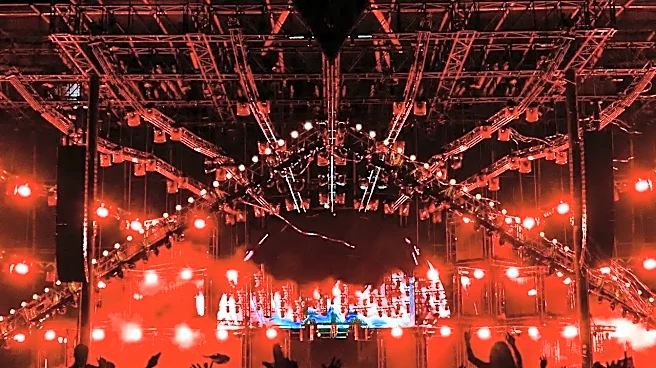
Simply showing up and playing the hits isn’t enough to guarantee a significant bump. The performances that truly move the needle are the ones that create a “moment.” This could be a surprise guest appearance, a breathtaking stage design, a powerful cover of an unexpected song, or a debut of new music. When Lana Del Rey brought out Billie Eilish at Coachella, streams for Del Rey's catalog rose 36%, while the song they performed together, "Video Games," shot up 70%. These moments are engineered to be unforgettable for the live audience and, more importantly, perfectly shareable for the millions watching at home. A generic, by-the-numbers set might please the existing fans in the crowd, but it won’t capture the attention of the wider digital audience needed to trigger a major streaming event.
The Social Media Amplifier Effect
A festival crowd might number in the tens of thousands, but the online audience is limitless. Social media platforms like TikTok, Instagram, and YouTube are the engines that power the streaming bump. A 30-second clip of a killer chorus, a wild dance break, or an emotional moment can go viral, reaching millions who never bought a ticket. These clips act as free, highly effective advertisements that drive curious new listeners directly to streaming services to hear the full song. Festival organizers and artists understand this, creating performances that are visually and sonically optimized for the small screen. The live stream itself is crucial, but the user-generated content that follows—endless clips, memes, and discussions—is what sustains the momentum long after the weekend is over.
The Strategic Songbook: Old Hits or New Music?
Artists face a strategic choice with their setlists. Do they lean on legacy hits to tap into nostalgia, or do they debut new material to test the waters? Both strategies can work. Performing a beloved classic can remind casual listeners to add it back to their rotation, as seen with Shania Twain's "Man! I Feel Like a Woman!" which saw streams increase nearly 100% after she performed it with Harry Styles. On the other hand, debuting a new song on a massive stage can be a powerful launchpad. The immediate buzz can create a wave of demand before the track is even officially released, turning a festival performance into a major marketing event. Many artists now use their festival slots as key moments in their album rollout campaigns for this very reason.
Does the Bump Actually Last?
A spike is one thing; sustained growth is another. The ultimate goal of the streaming bump isn't just a few days of inflated numbers, but a permanent lift in an artist's baseline listenership. The festival performance is the hook—it's the loud, flashy introduction designed to get people in the door. The quality of the artist's broader catalog is what convinces them to stay. Studies show that a single concert can lead to an average streaming increase of 126% on the day of the show, but the most successful artists see those effects last for weeks. For emerging acts, a standout festival set can be a career-changing opportunity, introducing them to a global audience and turning passive viewers into dedicated fans. The bump is the beginning of a new relationship with listeners, not the end.