

The Setlist as a Surgical Tool
A pro’s setlist isn't just a collection of songs; it’s a meticulously planned energy curve. They don't start with their biggest, most explosive hit. Instead, they open with a high-energy, familiar track that grabs attention and establishes their credibility
instantly. From there, the set is a series of peaks and valleys—building momentum, then offering a brief emotional breather with a ballad before ramping back up. This pacing prevents audience burnout and keeps the crowd engaged. They also consider the keys of the songs, avoiding playing too many in a row with the same key to keep the sound from feeling monotonous. The finale is always a massive, memorable anthem that sends everyone home on a high, ensuring they remember the set long after it's over.
An Economy of Motion and Words
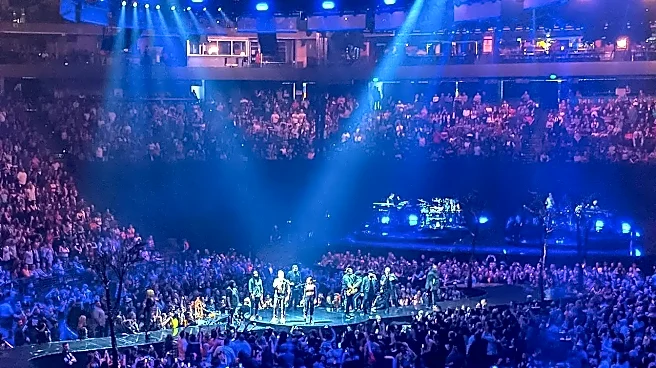
Watch a master like Bruce Springsteen and you'll notice nothing is wasted. Every gesture, every step to the edge of the stage, every bit of banter is designed for maximum impact. Stagecraft is about taking on a leadership role; the performer is the brightest, loudest person in the space, and their confidence creates a sense of safety and focus for the audience. Banter isn’t idle chatter; it’s a tool. It might be a short, compelling story that leads into the next song or a direct command to the crowd to sing along. The goal is connection and control. Springsteen, for example, makes a point of addressing the entire crowd, both near and far, making tens of thousands of people feel like he’s speaking directly to them. This creates a powerful sense of intimacy in a massive space.
Weaponizing the Singalong
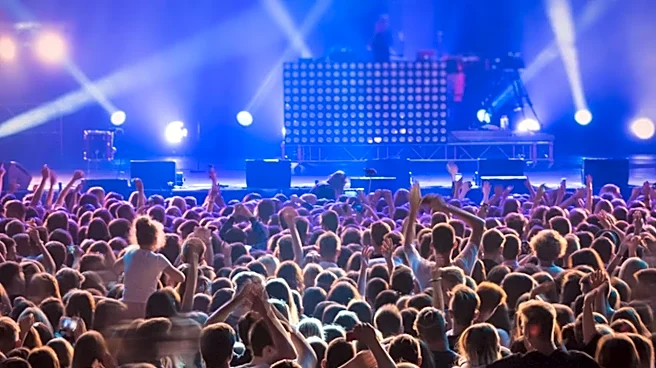
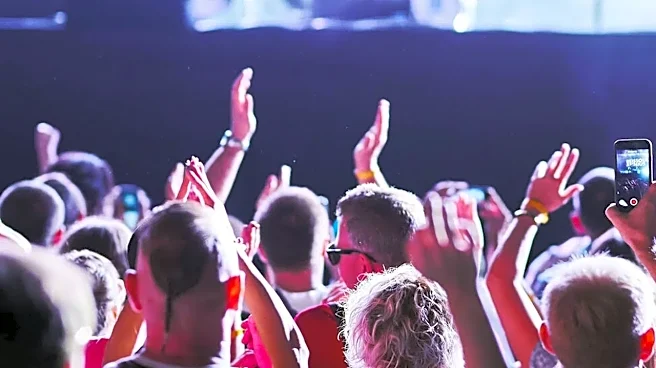
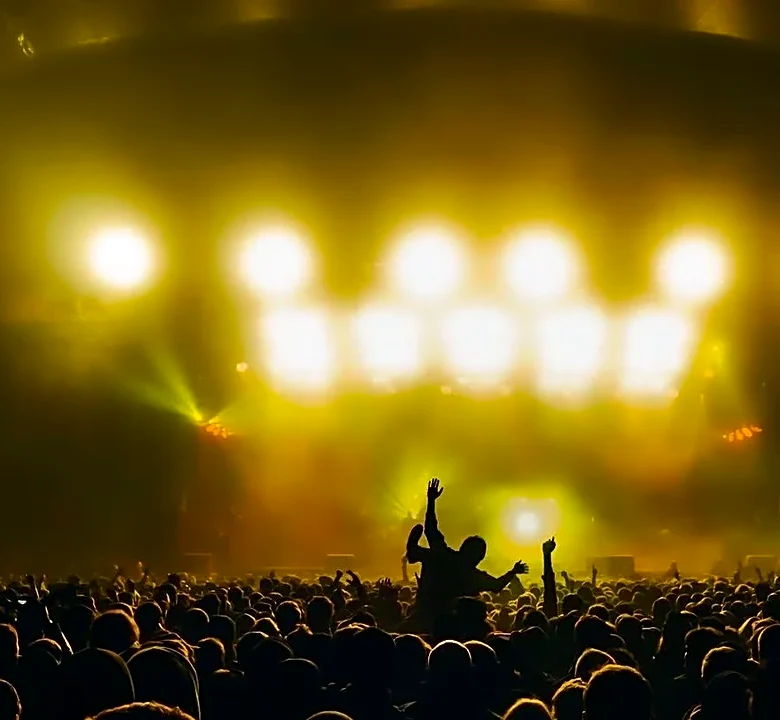
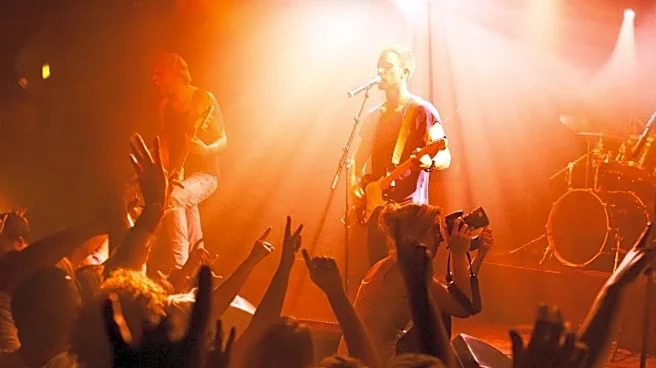
There is no greater tool for crowd control than turning the audience into the show. Veteran performers are experts at identifying the perfect moments for a mass singalong. It’s not just about playing a hit song; it's about actively inviting the crowd to participate. An artist might step back from the microphone, hold it out to the audience, or use a simple hand gesture to signal that it’s their turn. This does more than just create a communal moment; it makes every single person an active participant, focusing their energy and attention on the stage. It breaks the passive barrier between the performer and the audience, unifying tens of thousands of voices into a single, powerful instrument that the artist conducts.
The Power of the Unflappable Pro
Technical difficulties happen. A microphone cuts out, a guitar goes out of tune, or the sound system glitches. For an amateur, it’s a disaster. For a veteran, it’s an opportunity. The key is to never let the audience feel uncomfortable. A seasoned artist might handle it with a joke, seamlessly transition to an acoustic moment, or engage in some impromptu banter while the tech crew scrambles. Robert Smith of The Cure famously kept playing a 2009 festival set well past curfew, even after his microphone was cut, trusting the crowd to sing the words for him. This poise under pressure demonstrates confidence and turns a potential train wreck into a memorable, unique moment that fans talk about for years. The rule is simple: don't panic, and the crowd won't either.
Making Grand Gestures Count
In a massive festival environment, small, subtle movements get lost. Veteran performers understand scale. Their movements are big, purposeful, and readable from the back of the field. Think of Beyoncé's 2018 Coachella performance, dubbed "Beychella." The entire show was a masterclass in grand, powerful stagecraft, with meticulously planned choreography and a huge marching band that created a visual and sonic spectacle impossible to ignore. Every element was designed for a massive stage and a global audience. These performers also know how to create iconic moments, whether it's bringing out a surprise guest, crowd-surfing, or using dramatic lighting and visuals to punctuate a musical peak. These aren't just gimmicks; they are unforgettable punctuation marks in the story of the set.