






A Four-Day Marathon, Not a Three-Hour Sprint
The first thing to understand is the sheer scale of the operation. The TV special you watch in one evening is a highlight reel culled from a massive, four-day festival spread across downtown Nashville. While the broadcast primarily features the nightly
concerts at Nissan Stadium, the real CMA Fest includes dozens of artists playing on multiple free stages, meet-and-greets, and pop-up events. Capturing this sprawling event involves a monumental effort, with camera crews filming for over 100 hours to gather enough footage. The TV show isn’t a live broadcast; it’s filmed in early June and meticulously edited for its primetime debut weeks or even months later. The producers are tasked with condensing the spirit of a city-wide marathon into the tight narrative of a three-hour sprint.
Crafting the Narrative Between Songs
The “studio-style packaging” in the headline points directly to how the show is held together: the host segments. Unlike an awards show where hosts are live on a single stage, the CMA Fest hosts often film their parts separately from the main stadium performances. You might see them on a scenic Nashville rooftop, inside an empty Nissan Stadium during the day, or on a custom-built set that looks nothing like the festival grounds. These segments are scripted and shot under controlled conditions, allowing producers to create a clear storyline for the broadcast. They provide context, introduce the next performance, and give the show a cohesive flow that would be impossible to achieve amidst the chaos of a live, 60,000-person stadium show. It’s less like documentary filmmaking and more like creating the connective tissue for a primetime variety show.
The Magic of the Multi-Cam Edit
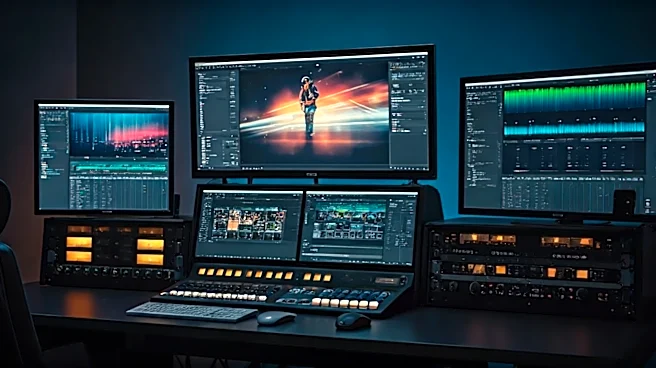
No single fan at Nissan Stadium gets the view you do at home. That’s because each performance is captured by upwards of 20 cameras. There are cameras on cranes swooping over the crowd, robotic cameras on stage for intimate close-ups, and steady-cam operators weaving through the pit. In the editing bay, the director can choose the best possible shot at any given millisecond. They can cut from a wide shot of the stadium to a close-up of a guitar solo, then to a fan singing along in the front row. This creates a dynamic, cinematic experience that makes you feel like you’re everywhere at once. It also gives them options. If a performer had a slight misstep or a camera was out of focus for a moment, they can simply cut to a different angle, ensuring the final product is virtually perfect.
From Stadium Roar to Living Room Gold
Perhaps the most crucial element of the package is the sound. Capturing clean audio in a massive, open-air stadium filled with tens of thousands of screaming fans is an engineering nightmare. The sound you hear on TV is not the raw audio from a single microphone. Instead, it’s a sophisticated blend of sources. Audio engineers take direct feeds from the instruments and microphones on stage, mix them with dozens of ambient mics placed throughout the stadium to capture the crowd’s energy, and then spend weeks in post-production “sweetening” the mix. They balance the lead vocal, polish the instrumentation, and carefully blend in the roar of the crowd to make it feel powerful but not overwhelming. The goal is to deliver a sound that’s better than live—a pristine, album-quality performance that carries the energy of the stadium right into your living room.