


The Return of the Waistline
For the better part of a decade, menswear was defined by a certain slouch. Driven by the dominance of streetwear and high-fashion athleisure, silhouettes became looser, waistbands became elasticated, and shirts were rarely tucked in. In this world of oversized
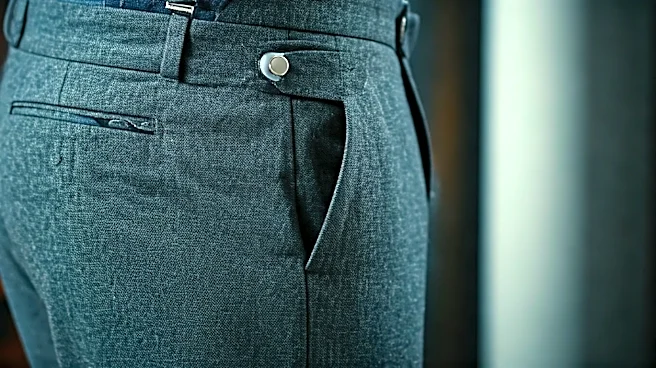
hoodies, baggy trousers, and untucked tees, the belt was often an afterthought—unseen and unnecessary. But the tides have turned. The style seen on the cobbled streets outside the Fortezza da Basso, where the world’s best-dressed men gather, pointed to a sharp correction. Tailoring is back with a vengeance. Trousers are cut higher on the waist, often with sharp pleats, and shirts are—gasp—being tucked in again. This fundamental shift makes the belt not just a choice, but a necessity. It’s the piece that completes the puzzle, anchoring a look that relies on structure and clean lines rather than hype and logos.
A Quiet Rejection of Hype
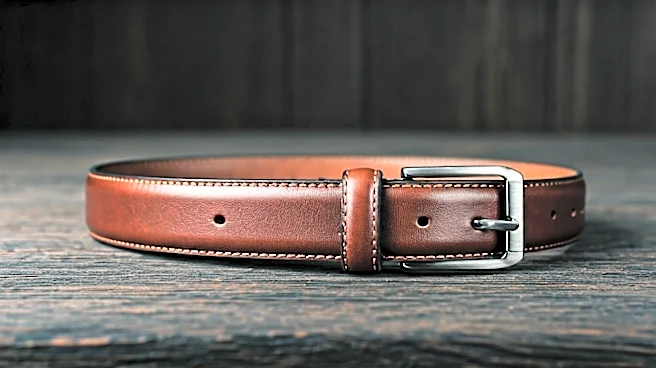
The belts making an impact at Pitti aren’t the logo-buckled behemoths that dominated social media feeds a few years ago. You won’t see giant interlocking Gs or Hs. Instead, the focus has shifted to craftsmanship and material. Think rich, cognac-colored leather, classic woven styles, or simple black straps with understated silver or brass hardware. This move mirrors the broader cultural shift toward “quiet luxury” or “stealth wealth.” In a landscape saturated with loud branding, the ultimate flex is no longer a recognizable logo but an impeccable, unbranded piece that speaks through its quality. A good leather belt is the epitome of this ethos. It signals an appreciation for things that are made well and built to last, a quiet confidence that doesn't need to shout for attention. It’s a subtle nod to tradition and a firm rejection of the fleeting, algorithm-driven trend cycle.
The Anchor of a 'Put-Together' Look
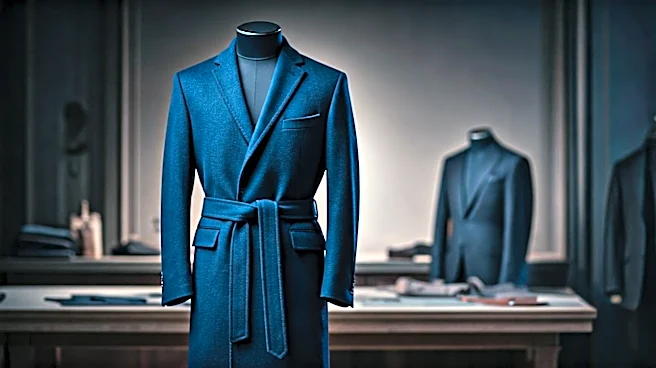
Functionally, a belt does more than just hold up your pants. It acts as a visual anchor, creating a deliberate break between your torso and your legs. This simple line can dramatically improve the proportions of an outfit, making you look taller, sharper, and more considered. At Pitti, men were using belts to masterful effect. A slim brown belt might connect a navy blazer and grey flannel trousers, providing a touch of warm contrast. A black belt could add a graphic punch to a monochrome outfit of dark denim and a black knit. We even saw them used to cinch the waist of an overcoat, creating a more defined and elegant silhouette. In every case, the message was the same: this outfit was intentional. The belt is the enemy of sloppiness. It’s the small detail that proves you didn’t just roll out of bed; you thought about how each piece worked together to create a cohesive whole.
More Than an Accessory, It's a Barometer
So, is the leather belt truly the *most* important accessory? In a literal sense, maybe not. A great watch or a beautiful pair of shoes will always be critical. But as a barometer for where menswear is headed, its importance is hard to overstate. The resurgence of the belt is symptomatic of a larger movement: a return to the foundational principles of dressing well. It represents a pivot away from the ephemera of streetwear culture and back toward the enduring appeal of tailoring, proportion, and quality. It’s a sign that men are once again finding joy in the craft of getting dressed, in the subtle interplay of textures and the satisfaction of a perfectly cinched waist. While the 'Pitti Peacocks' will always provide spectacle, the real story is often found in the details. And right now, that story is being told by a simple strip of leather.