






We’ve all felt it: the unforgiving dig of a stiff waistband after a long day. But what if there was a smarter, more comfortable way to structure our clothes? Enter the yoke, a simple yet transformative element in garment design.
What Exactly Is a Yoke?
Think of a yoke not as
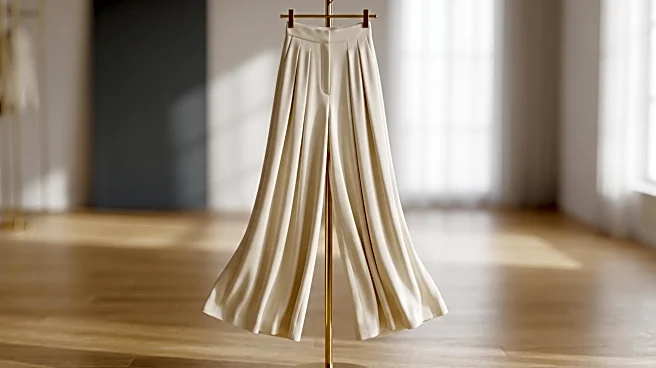
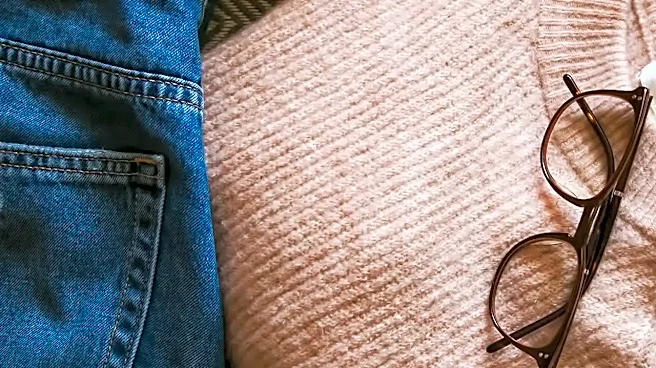
a band that sits on top of your waist, but as an integrated panel that shapes the top of a garment. In skirts and pants, a yoke is a fitted section of fabric that sits across the upper hips or waist. Unlike a traditional waistband, which is typically a straight or slightly curved rectangular strip of fabric, a yoke is a specifically shaped piece designed to contour to the body. You’ve most likely seen them on the back of your jeans, where a V-shaped yoke helps create a better fit, but they are used in everything from flowy skirts to tailored trousers.
The Magic of Structure Without Stiffness
The primary job of a traditional waistband is to hold a garment up, often with the help of stiff interfacing, elastic, or a tight fit. A yoke accomplishes the same goal in a completely different way. Its power lies in its shape. Because the yoke is a panel, its seams can absorb the function of darts—those triangular folds of fabric that give clothing three-dimensional shape. By cutting the fabric to curve with the body, a yoke provides a smooth, close fit over the hips and stomach without adding the bulk or rigidity of a separate waistband. The structure comes from the clever cut of the fabric itself, which distributes the garment's weight and stress evenly. This results in a clean, streamlined silhouette that is both supportive and comfortable.
Why Comfort and a Flattering Fit Go Hand-in-Hand
The chief complaint against many waistbands is that they create a focal point of pressure, leading to digging, pinching, and the dreaded 'muffin top'. A yoke, by contrast, sits smoothly against the body, creating a seamless transition from the garment to your natural shape. This design is inherently more comfortable because it allows for better movement and less restriction. For skirts, a yoke allows the top to be fitted and smooth, while the rest of the skirt can be gathered, pleated, or flared without adding bulk directly at the waistline. This combination of a fitted top block with a fuller bottom is famously flattering, creating an elegant line that moves with you.
A Versatile Tool for Style and Design
Yokes are not just functional; they are also a powerful design tool. They can be straight, curved, or pointed, each creating a different aesthetic. Designers often use yokes to introduce a contrasting fabric, color, or pattern, turning a structural element into a style statement. Think of Western shirts with their distinctive pointed yokes or a plaid skirt where the yoke is cut on the bias to create a dynamic chevron pattern. This versatility extends to all types of garments. In addition to skirts and pants, yokes are a fundamental part of shirt construction, providing structure across the shoulders and upper back. Whether used for a subtle, shaping effect or as a bold decorative feature, the yoke proves that smart construction is the foundation of great style.