



Reading the Garment, Not the Label
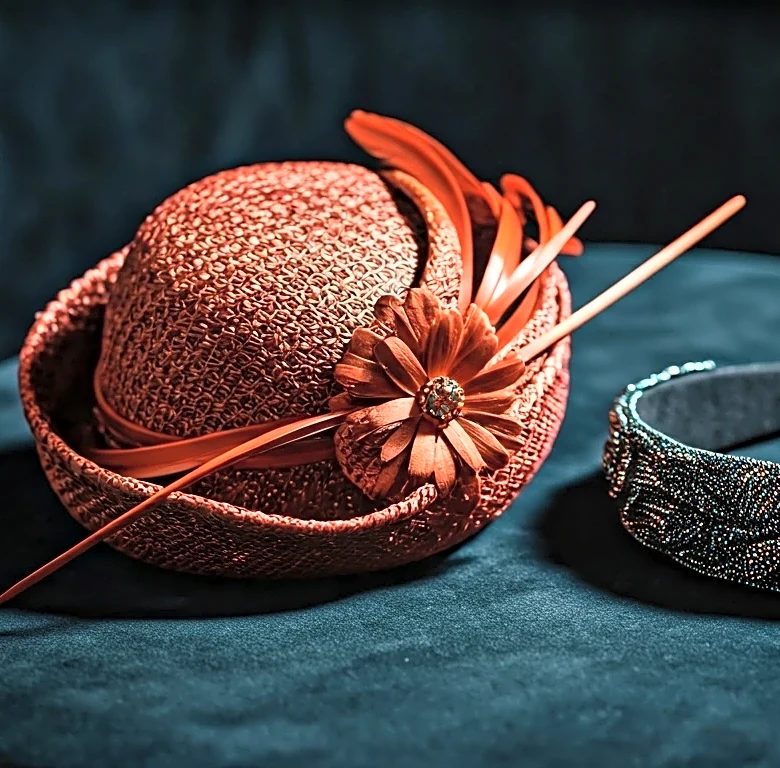
While most of us are captivated by the explosion of color and gravity-defying millinery that defines Royal Ascot, fashion editors, stylists, and designers are playing a different game. They’re scanning the crowd for signs of true sartorial excellence,
which often whisper rather than shout. In a sea of designer logos and trend-driven patterns, the ultimate tell of quality and investment isn't the brand name, but the construction of the garment itself. It’s the difference between a beautiful, expensive dress and a piece of wearable art. This subtle language of craftsmanship separates the fashion-conscious from the true connoisseurs, and the most revealing chapter of that story is often told at the shoulder and the wrist.
The Sleeve as a Dead Giveaway
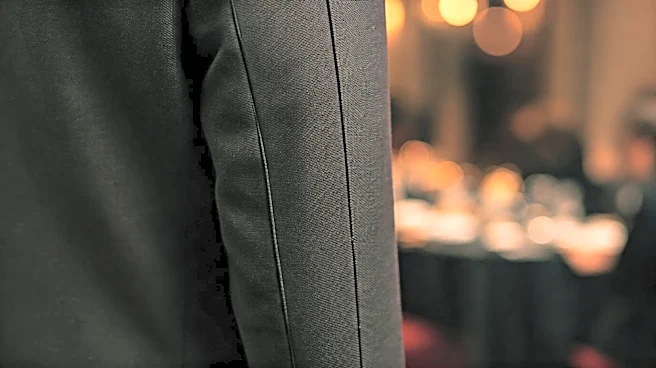
So, what are they looking for? It starts with the sleeve seam. On a mass-produced jacket or dress, a bold print like a plaid or stripe will often be misaligned where the sleeve meets the body—a cost-saving measure in manufacturing. On a bespoke or couture piece, the pattern will match perfectly, flowing from the shoulder down the arm without interruption. It’s an incredibly difficult and time-consuming detail that signals the garment was cut by hand with meticulous attention. Then, they look to the cuff. Most off-the-rack blazers have decorative buttons sewn onto a closed cuff. A high-end, custom-made jacket, however, will often feature “surgeon’s cuffs”—functional buttonholes that actually open. This detail, a relic from when doctors needed to roll up their sleeves, is now a hallmark of bespoke tailoring, as creating working buttonholes on a sleeve is a complex hand-finished task that machines struggle to replicate cheaply.
It’s Not Just About the Sleeve
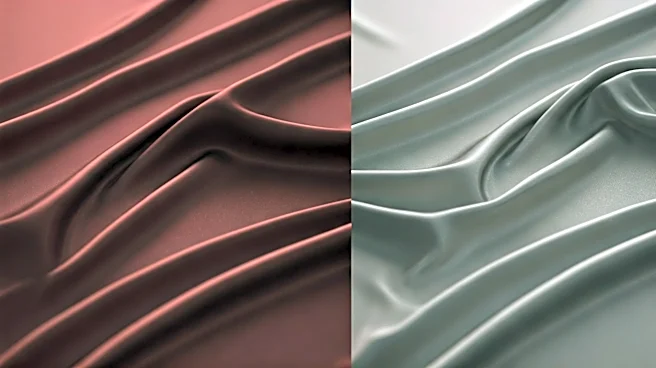
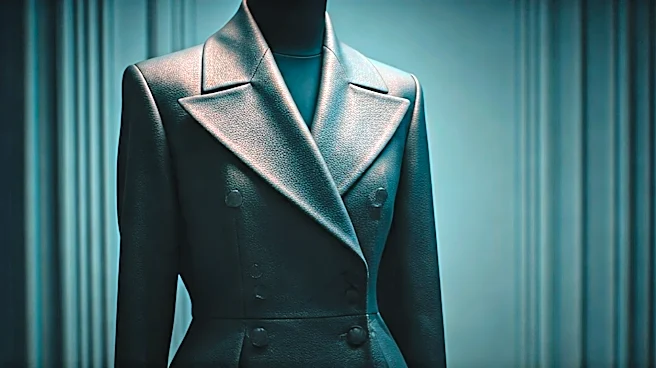
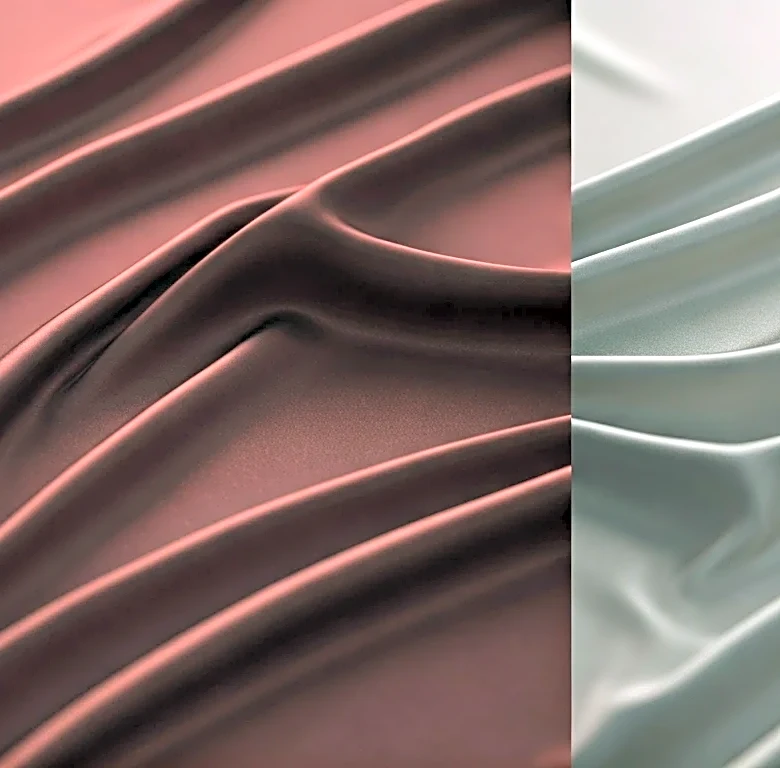
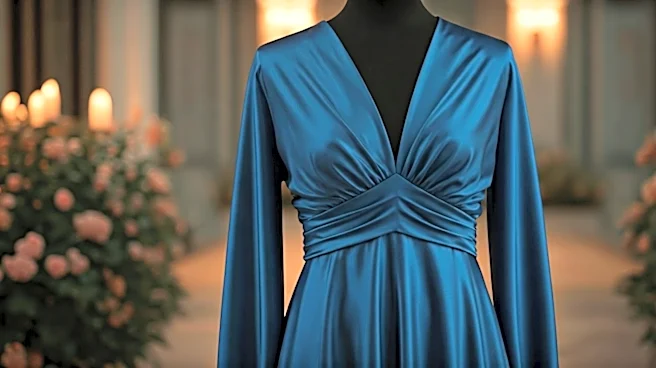
The sleeve seam is a synecdoche—a part that represents the whole. This same level of scrutiny applies to other seemingly minor details. Insiders notice the roll of a jacket’s lapel; a cheap one is pressed flat and lifeless, while a high-quality one has a gentle, three-dimensional roll that can only be achieved by hand-stitching. They look at the drape of the fabric. Does a skirt hang with weight and movement, suggesting fine silk or wool, or does it cling statically, betraying a higher synthetic content? They even observe the posture of the wearer. A bespoke garment is built to the owner’s exact measurements, enhancing their posture and moving with them. An off-the-rack piece, even an expensive one, is made for a generic fit model, and it rarely achieves that same harmonious relationship with the body. These details, invisible to the casual observer, are screamingly obvious to those in the know.
The Language of Quiet Luxury
This focus on construction over spectacle is the essence of “quiet luxury,” or what used to be called “old money” style. It’s a form of signaling that is legible only to a select audience. In the context of Royal Ascot, an event steeped in tradition and attended by aristocracy, this language is particularly potent. A perfectly matched seam and functional cuff buttons communicate a respect for heritage, craftsmanship, and enduring quality over fleeting trends. It suggests that the wearer’s status is so assured they don’t need a loud print or a visible logo to announce it. In a world saturated with fast fashion and look-at-me branding, the quiet confidence of a perfectly constructed garment becomes the most powerful statement of all.