





The Unbroken Monochrome Statement
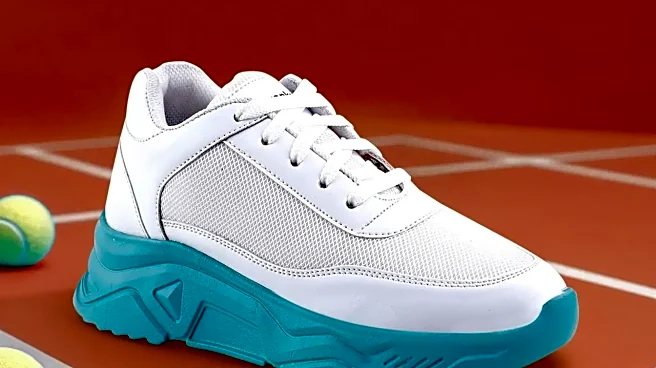
A monochromatic outfit, especially in white, is powerful because of its visual purity. The goal is to create a seamless, elongated silhouette where the eye flows uninterrupted from head to toe. Crisp white sneakers achieve this perfectly. They become
a natural extension of your white jeans or the hem of your dress, maintaining that clean, cohesive line. Tan, while a neutral, introduces a second color. It breaks the monochrome spell. Instead of blending in, a tan shoe creates a horizontal line at your ankle, visually chopping up the outfit. It stops the eye and says, "Here is where the clothes end and the shoes begin." For a look built entirely on the principle of a single, unified color story, this interruption can weaken the entire statement.
Honoring Tennis's Crisp Aesthetic
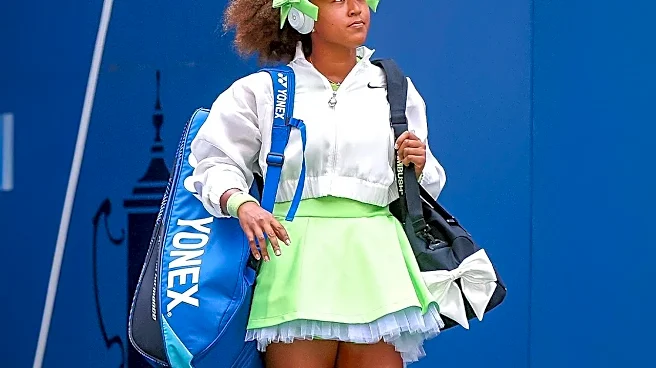
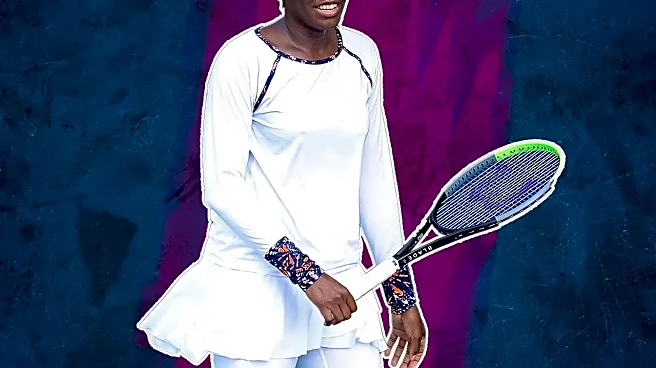
The U.S. Open may not have Wimbledon's strict all-white dress code for players, but the spirit of "tennis whites" absolutely pervades spectator style. It's an aesthetic built on clean lines, sporty elegance, and a sense of freshness. White sneakers are the native footwear of this world. They echo the classic tennis shoes worn on the court, creating a look that feels thematically appropriate and effortlessly chic. Tan sneakers, by contrast, pull from a different style vocabulary. They can feel more autumnal, more earthy, or more aligned with casual menswear. While stylish in their own right, they don't quite sync up with the sporty, summery, athletic heritage that an all-white U.S. Open outfit is meant to evoke. A bright white sneaker just feels more at home in the stands of Arthur Ashe Stadium.
Avoiding the 'Almost' Neutral
The problem with tan is that it’s an 'almost' color in the context of an all-white look. Against a backdrop of pure, optic white, a beige or tan sneaker can look unintentionally dingy or discolored. Instead of providing a soft, complementary contrast, it can create a slightly jarring effect, as if your shoes are a different shade of white that didn't quite match. This is especially true in the bright, unforgiving daylight of a day session in Queens. A pristine white sneaker, however, removes all doubt. It's clean, intentional, and sharp. It doesn't risk looking like a near-miss; it completes the assignment perfectly, ensuring your entire outfit looks polished and deliberate.
From Blazing Sun to Stadium Lights
A full day at the U.S. Open often transitions from a hot afternoon match to an evening session under the stadium lights. Your outfit has to work for both. During the day, white sneakers reflect the sun and contribute to that bright, fresh look. At night, under the powerful lights of the stadium, they continue to pop. They remain a crisp, visible anchor to your outfit. Tan sneakers can fare differently. In the bright sun, they can appear washed out. As evening falls, certain shades of tan or beige can look muddy or indistinct under artificial lighting, losing their warmth and becoming a nondescript, dull block at your feet. White stays white, ensuring your look remains just as sharp for the final match point as it was for the first serve.
A Note on Off-White and Cream
So what about the cousins of tan—cream, ivory, and off-white? These can be a sophisticated compromise, offering a softer take on the monochromatic look. Pairing different shades of white and cream can add texture and depth. If your "all-white" outfit is actually made of linen trousers in bone and a silk shirt in ivory, then a cream-colored sneaker can be the perfect choice to tie those warm tones together. However, if your outfit is built around a true, optic white—like a crisp poplin dress or sharp white denim—sticking with an equally crisp white sneaker is the stronger play. The key is harmony. When in doubt, matching the intensity of your whites creates the most polished and foolproof result.