




The End of Appointment TV
Not so long ago, the concept of a fall TV premiere was an event. At 8 p.m. on a Tuesday, millions of people sat down to watch the same show at the same time. The VCR and later the DVR were the first cracks in this foundation, but streaming services blew
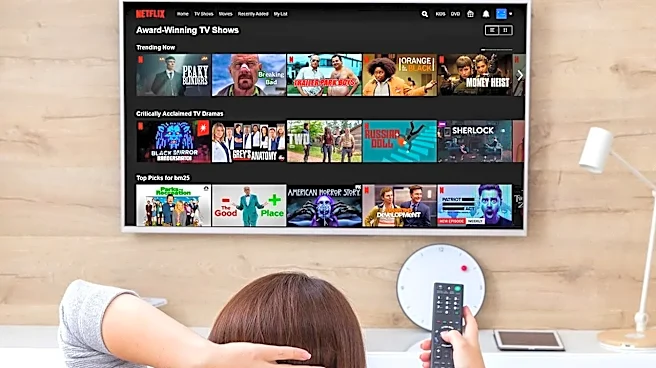
the whole structure apart. The idea of 'appointment viewing'—clearing your schedule for a specific show—now almost exclusively belongs to live sports and massive reality show finales. For scripted dramas and comedies, the premiere is no longer a fixed point in time. Viewers know that if they miss the live broadcast of a network show, it will be waiting for them the next morning on Hulu, Paramount+, or Peacock. This shift from synchronous, collective viewing to an individual, on-demand experience is the single biggest change to television consumption in a generation.
The New Math of Success
With the audience scattered across different platforms and timelines, the old metric for success—the overnight rating—is effectively dead. Networks no longer panic if a show pulls a mediocre live number. Instead, the industry now relies on metrics like 'Live+3' and 'Live+7,' which count viewers who watch a show within three or seven days of its initial airing. This data provides a more holistic picture of a show's audience, capturing both the traditional viewers and the growing number of streamers. In their fall scheduling announcements, networks like CBS now emphasize the availability of their entire primetime lineup on streaming platforms like Paramount+. Success isn't about winning a specific timeslot on a single night anymore; it's about how big of an audience a show can accumulate across an entire week and multiple platforms. It’s a game of aggregation, not just immediate viewership.
Losing the 'Water Cooler' Moment
A major casualty of this pivot is the cultural phenomenon known as the 'water cooler moment.' When everyone watched the same episode of a hit show on the same night, the next morning was filled with collective debriefs at work, in school, and online. You could openly discuss a shocking plot twist or a hilarious scene, confident that most people you knew were on the same page. Today, that shared experience has fragmented. Starting a conversation about a new episode is a social minefield of potential spoilers for those who haven't watched it yet. While social media platforms like X (formerly Twitter) create a real-time echo chamber for live viewers, they can't replicate the broad, inclusive cultural conversation that happened when viewing was a more unified activity. The community around a show still exists, but it’s now fractured into different viewing schedules.
A Premiere Without a 'Night'
In response, networks and streamers have completely rethought their launch strategies. The idea of a single 'premiere night' has been replaced by a more flexible 'premiere window.' Some networks now release the first episode of a new show online days or even weeks before its broadcast debut to build buzz. Streaming services have experimented with various models: dropping three episodes at once, splitting a season into two parts, or sticking to a weekly release to maintain conversation. You see this in the fall schedules, where a 'premiere' might refer to a show's debut on a streaming platform like Netflix or Apple TV+ just as often as its debut on a traditional network. The marketing has shifted from 'Don't miss it, Tuesday at 9!' to 'Now streaming' or 'Premieres this fall.' The 'night' is no longer the anchor; the show itself is.