




Beyond a Quick Fix for Redness
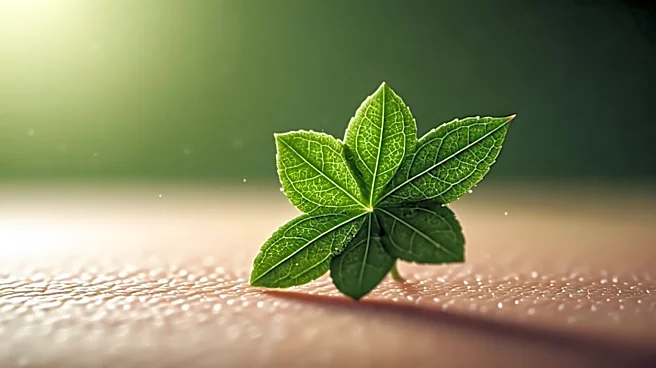
You’ve probably seen cica, sometimes called Tiger Grass, in creams and balms promising to rescue your skin after a bad reaction or a little too much sun. It excels at this. Derived from a leafy green herb used for centuries in traditional medicine, cica is packed
with compounds that are powerfully anti-inflammatory. When your skin barrier is compromised, leading to sensitivity and redness, cica swoops in to dial down the irritation and promote healing. This reputation is well-deserved and scientifically backed. But framing cica as merely an emergency balm misses the bigger picture. Its soothing ability is just the opening act for a much more significant, long-term performance in how your skin handles the aging process. The same properties that make it a great crisis manager also make it an exceptional long-term strategist for skin health.
The Collagen Connection
One of the primary culprits of visible aging—fine lines, wrinkles, and loss of firmness—is the natural decline of collagen. Collagen is the main structural protein in your skin, acting like scaffolding that keeps everything plump and smooth. As we age, production slows down and existing collagen breaks down. This is where cica’s quiet power comes into play. Key active compounds within cica, specifically asiaticoside and madecassoside, have been shown in studies to stimulate the synthesis of Type I collagen. They essentially send a signal to your skin’s fibroblast cells (the skin’s collagen factories) to get back to work. By encouraging new collagen production, cica helps maintain the skin’s foundational structure, promoting firmness and elasticity from within. This isn't a temporary plumping effect; it’s about reinforcing the very architecture of your skin over time.
A Shield Against Daily Stressors
Every day, your skin is under assault from environmental factors like UV radiation and pollution. These aggressors generate unstable molecules called free radicals, which cause oxidative stress—a key driver of premature aging. This process damages skin cells, degrades collagen, and leads to wrinkles and hyperpigmentation. Centella asiatica is a potent antioxidant. Its compounds are adept at neutralizing free radicals before they can wreak havoc. Think of it as a personal bodyguard for your skin cells. By helping to fend off this daily damage, cica doesn't just repair skin; it proactively protects it. This antioxidant function helps preserve the skin’s youthful appearance and resilience, preventing some of the cellular damage that would otherwise accumulate and show up on your face years later.
Taming 'Inflammaging'
Dermatologists are increasingly focused on a concept known as “inflammaging”—a chronic, low-grade, often invisible inflammation that accelerates the aging process. It’s caused by the same environmental stressors, as well as internal factors like diet and stress. This persistent inflammation slowly chips away at your skin’s structure and integrity. Cica’s legendary anti-inflammatory properties are crucial here. While you might only notice this effect when you have visible redness, the ingredient is working constantly in the background to calm this low-level inflammatory buzz. By keeping inflammation in check, cica helps prevent the steady degradation of collagen and elastin, making it one of the most effective ingredients for combatting inflammaging. This is perhaps its most “quiet” and significant contribution to how skin ages, as it addresses a root cause of skin deterioration, not just its symptoms.
Finding the Right Cica for Your Routine
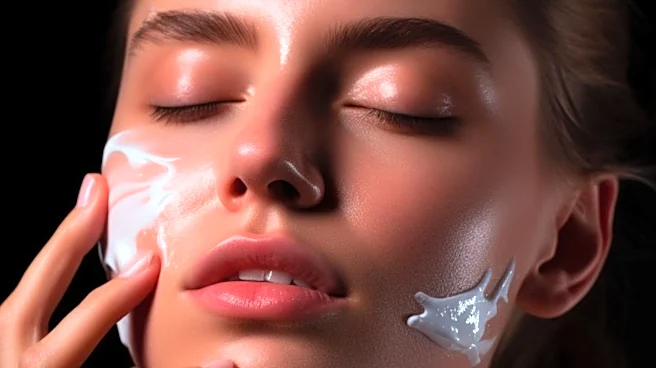
To harness these benefits, look for products that feature cica prominently. On an ingredient list, you’ll see it listed as Centella Asiatica Extract, or you may see its isolated active compounds: Madecassoside, Asiaticoside, Madecassic Acid, and Asiatic Acid. The presence of these specific compounds often indicates a more potent and targeted formula. Cica is versatile and can be found in almost any product type, but it’s particularly effective in leave-on treatments like serums, moisturizers, and sleeping masks. These give the ingredient ample time to penetrate the skin and do its work. A serum can deliver a concentrated dose, while a cica-infused moisturizer can provide both healing hydration and long-term structural support.