



Not all silks are created equal. While the fiber itself spells luxury, the way it’s woven gives it a specific role in your wardrobe. Understanding the difference between satin, twill, and crepe is like knowing your team’s key players.
The Glamour Star: Silk Satin
When you picture
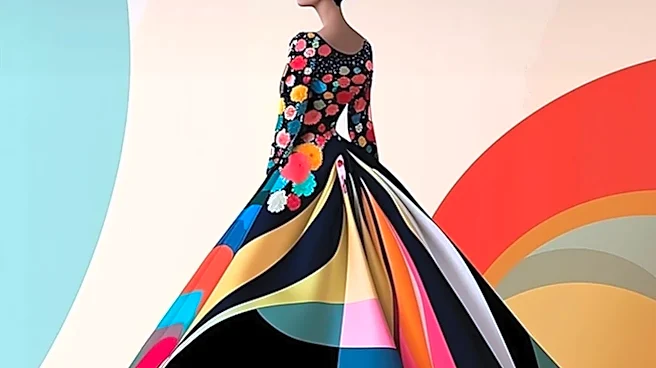
classic, old-Hollywood glamour, you’re likely picturing silk satin. Its “job” is to be the star of the show. The magic is in the satin weave, where threads are floated over one another to create an incredibly smooth, reflective surface on one side, with a dull finish on the back. This structure is what produces that signature high-gloss shine and a fluid, liquid-like drape that clings and moves with the body. Because of this, silk satin is the go-to choice for formalwear, bridal gowns, and luxurious lingerie. It’s designed for maximum visual impact. However, that beauty comes with a trade-off. The same long, floating threads that create its luster also make it more delicate and prone to snagging or showing water spots. Think of it as the dazzling lead singer who needs a little extra care and shouldn't be exposed to rough conditions.
The Durable Workhorse: Silk Twill
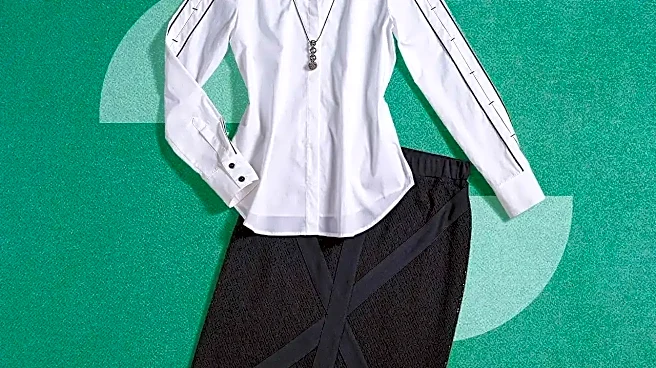
If satin is the star, silk twill is the reliable, sophisticated professional that gets things done. Its job is to combine luxury with durability. You can identify twill by the fine, diagonal ribbed pattern in its weave. This structure makes the fabric significantly stronger, more opaque, and more resistant to wrinkles than its shinier counterparts. While it has a beautiful, subtle sheen, it’s not the high-gloss of satin. Instead, it offers a more structured drape that holds its shape beautifully. This unique combination of strength and elegance makes it the undisputed champion for high-end accessories meant for daily wear, like the iconic printed scarves from heritage fashion houses. It's also perfect for neckties, structured blouses, and tailored pieces that need to look polished all day long. Silk twill is the investment piece that you can actually live in, proving that luxury doesn't always have to be delicate.
The Understated Artist: Silk Crepe
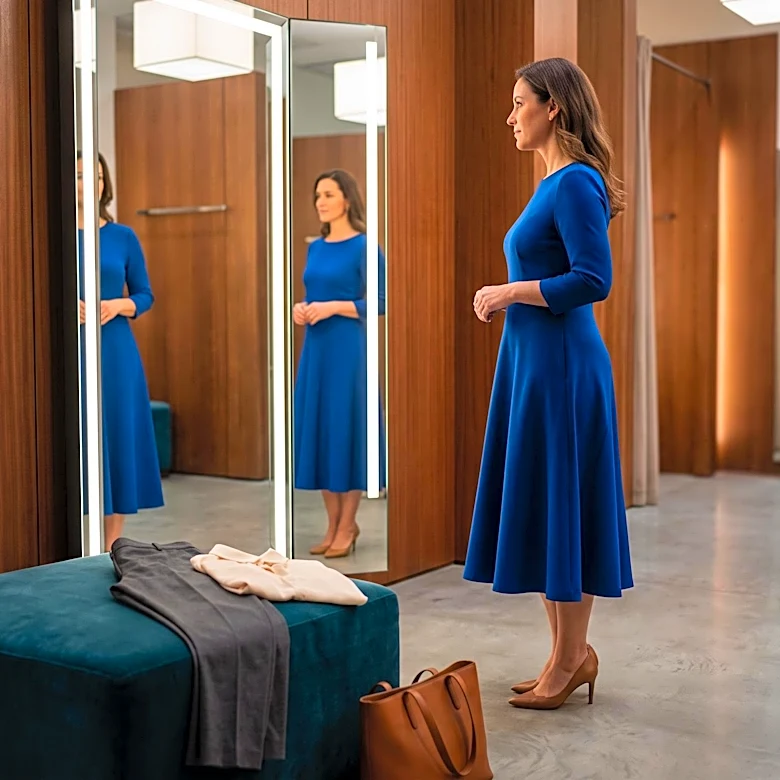
Silk crepe plays a different game altogether. Its job is to provide texture, movement, and an air of effortless elegance. Unlike the smooth surfaces of satin and twill, crepe is defined by its crinkled, pebbly texture. This effect is achieved by using tightly twisted yarns during the weaving process, which causes the fabric to pucker slightly. The result is a fabric with a beautiful, bouncy drape and a matte finish that diffuses light rather than reflecting it. It’s lightweight, airy, and resists wrinkling, making it a favorite for travel and everyday professional wear. Think of flowing blouses, elegant day-to-night dresses, and wide-leg trousers that move with a graceful, fluid motion. Crepe offers sophistication without the high shine of satin, making it the perfect choice for someone who values understated, textural luxury. It’s the artist of the group, focusing on character and movement over pure gloss.