





Shedding the Stereotypes
For years, the vest has been sartorially stranded. In the American imagination, it’s either the domain of the overdressed wedding guest, the eager barista trying a little too hard, or a throwback to the days of pocket watches and Prohibition. It was an item
that carried more baggage than style, often seen as an unnecessary flourish or, worse, a piece that looked like it was missing its matching jacket and pants. The challenge for any designer is to strip away those dated associations and present the garment in a new light. That’s precisely what Milan’s tastemakers achieved, not by ignoring the vest’s history, but by dissecting it and reassembling the pieces for a contemporary audience. They didn’t just show vests; they showed new ways of thinking about layering, silhouette, and the very definition of smart-casual dressing.
The Rise of the Sweater Vest 2.0
Forget the preppy, argyle-clad versions of the past. The sweater vest that dominated Milan is a different species entirely. At houses like Prada, it became a canvas for quiet sophistication. Think fine-gauge knits in muted, elegant tones, layered cleanly over crisp button-downs or even worn alone. This wasn’t about quirky nostalgia; it was about texture and subtle luxury. By treating the sweater vest as a foundational layering piece rather than a statement accent, designers positioned it as a smart alternative to a crewneck sweater. It provides warmth at the core without the bulk in the arms, allowing for a sleeker silhouette under a blazer or overcoat. This iteration speaks directly to the ‘quiet luxury’ trend, focusing on high-quality materials and impeccable fit over loud branding, making it feel both modern and timeless.
The Waistcoat as a Standalone Star
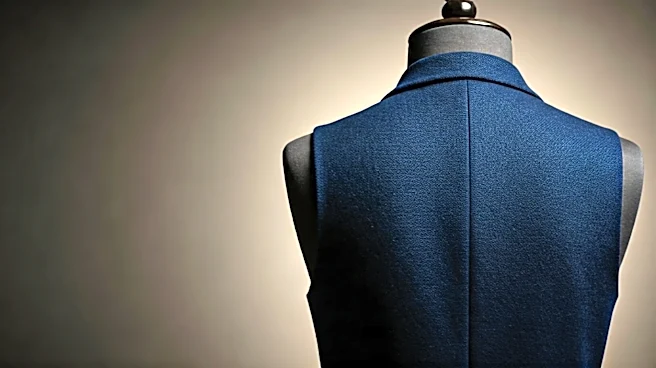
While the sweater vest offered a cozy, intellectual vibe, the tailored waistcoat brought a dose of sharp, unexpected formality. Fendi, for example, showcased elegant, tailored vests as part of its vision for the modern man’s wardrobe. But the key was in the styling. These weren’t just the forgotten third piece of a suit. They were worn as standalone tops, buttoned up over bare skin or a simple tee, paired with everything from tailored trousers to flowing, skirt-like bottoms. This move cleverly decouples the waistcoat from its stuffy corporate uniform context. It becomes an item of intention—a way to look put-together and polished without committing to a full suit jacket. It’s a nod to classic menswear that feels fresh and a little bit rebellious, suggesting a new kind of business-casual that prioritizes form and silhouette.
Utility and a New Masculinity
Beyond the tailored and the knitted, a third type of vest made its presence felt: the utility vest. Drawing inspiration from workwear and military surplus, these pieces brought a rugged, functional edge to the collections. With multiple pockets, durable fabrics, and often a boxier fit, these vests aren't about elegance in the traditional sense. Instead, they’re about practicality and a more relaxed, street-inflected style. At Zegna, the focus on luxurious, high-performance materials elevated the entire concept. The utility vest acts as a modern man’s carry-all, a textural layering piece, and a symbol of a masculinity that is less about rigid suits and more about adaptable, real-world style. It’s the perfect bridge between high fashion and everyday life, proving the vest can be as practical as it is stylish.