



The 'Squeeze-Back' and the Art of the Hand-Off
The most visible part of this strategy is a technique known in the industry as the 'squeeze-back' or 'credit crunch.' As the final scene fades, the network shrinks the show's rolling credits to a fraction of the screen, often silencing them entirely.
The valuable real estate that opens up is immediately filled by a loud, eye-catching promo for the program starting next. This is the modern evolution of the classic 'up next' bumper, supercharged for an era of intense competition. The goal is simple and ruthless: eliminate the pause. In those few seconds where a viewer might grab the remote, the network executes a direct hand-off, making the case that you don't need to go anywhere because more of what you love is right here, right now.
Engineering the Audience 'Flow'
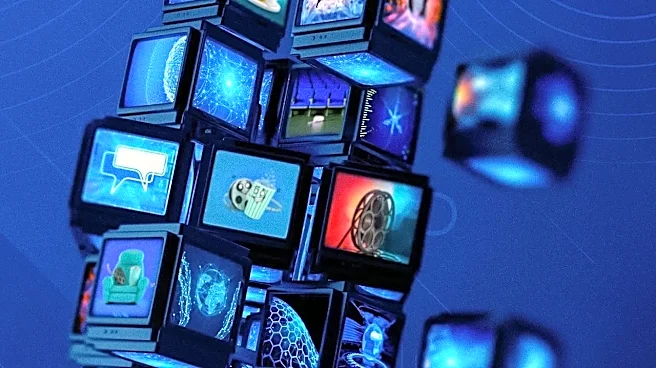
This tactic is about more than just filling dead air; it's the cornerstone of a concept called audience 'flow.' Programmers aren't just trying to keep you on their channel; they're trying to guide you through a curated block of content. This is why the shows are almost always 'compatible titles.' A gritty detective drama will lead into another mystery, and a lighthearted reality show will be followed by a similar one. Networks invest heavily in data to understand not just what you watch, but the mood you're in while you watch it. The idea of flow is to create a seamless, multi-hour viewing experience where one show's tone and energy carry you directly into the next, minimizing the temptation to see what's on another channel or, more importantly, to switch over to a streaming app.
A Battle for Every Last Eyeball
So, why the aggressive push in 2026? It's a direct response to the pressures of cord-cutting and the dominance of streaming platforms. Streamers like Netflix and Hulu have perfected the art of retention with the 'auto-play next episode' feature, creating a frictionless binge. Cable is trying to replicate that stickiness, but across different programs. With fewer households subscribed to cable each year, every single viewer is more valuable than ever. Networks can no longer afford to simply hope their 10 p.m. show inherits an audience from the 9 p.m. hit; they have to actively manufacture that inheritance. These seconds between shows have become a critical battleground in the war for viewer attention, forcing programmers to be more assertive in holding onto the audience they have.
Is It Smart Strategy or Just Annoying?
From a business perspective, the squeeze-back is a masterstroke of defensive programming. It acknowledges the fractured media landscape and uses every tool available to retain viewers. For the creatives behind the shows, however, it can be a source of frustration. The final, poignant moments of a drama or the clever last joke of a comedy can be instantly bulldozed by a promo, robbing the audience of the chance to sit with what they just watched. For viewers, the experience is mixed. While it can be a convenient way to discover a new, similar show, it can also feel intrusive and disruptive. Networks are walking a fine line, betting that the benefit of retaining a viewer for another hour outweighs the risk of annoying them by disrespecting the artistic integrity of the program they just finished.