

The Basic Optical Illusion
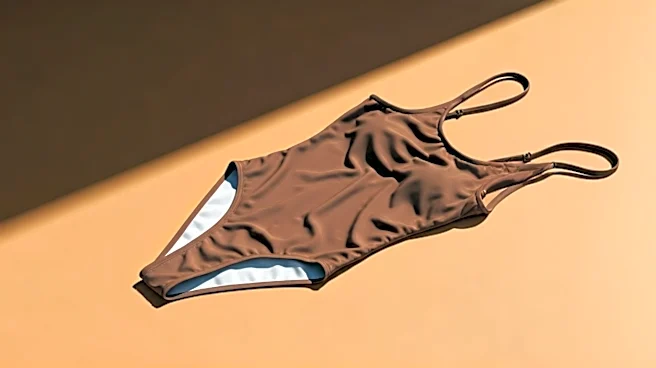
At its core, the high-leg swimsuit is an exercise in visual misdirection. The primary goal is to elongate the leg line, making your legs appear longer and leaner. By cutting the fabric higher up on the hip, the suit draws the viewer's eye upward, creating
an uninterrupted vertical line from the torso down through the leg. Think of it like a visual trick used in architecture to make a ceiling feel higher. The higher the starting point of the leg opening, the more length the brain automatically adds to what’s below it. This is why the trend, popularized in the '80s and '90s by brands like Body Glove and the cast of *Baywatch*, has such enduring appeal. It’s not just about showing more skin; it’s about reshaping proportions through a simple, clever cut.
The Art of the Curve
Here’s where the real pattern-making genius comes in. A truly flattering high-leg suit is not cut in a harsh, straight diagonal line from the crotch to the hip. Instead, the best designs feature a gentle, ergonomic curve. This curve is meticulously shaped to follow the natural contour of the body where the thigh meets the hip. A straight line can visually slice the body in an unnatural way, sometimes creating the appearance of a bulge where there isn't one. A soft curve, however, works *with* your shape, smoothly transitioning from fabric to skin. The highest point of this curve, often called the “apex,” is also critical. If it’s too high and forward, it can feel revealing and uncomfortable. If it’s too low or too far back, you lose the leg-lengthening effect. Expert pattern cutters spend hours perfecting this single line, because it’s the element that separates a cheap-looking suit from a piece of expertly engineered swimwear.
A Question of Balance
A swimsuit is a system; you can’t change one part without affecting the others. The success of a high-leg cut is inextricably linked to the amount of coverage on the back. A suit that is high-cut in the front often requires a specific amount of rear coverage to feel secure and balanced. If the back is too skimpy (like a thong), the entire suit can feel less stable and may shift uncomfortably. Conversely, a full-coverage brief paired with a super-high leg can sometimes look disproportionate. Designers often opt for a “cheeky” or moderate cut in the back, which mirrors the upward curve of the front and creates a more cohesive, lifted look. The height of the waistband also plays a role. A higher waistband that sits at or just above the natural waist helps anchor the suit and enhances the elongating effect of the leg cut.
Fabric, Grain, and Tension
Finally, the pattern-cutting logic is useless without the right material. Swimwear is almost always made from fabric with four-way stretch, meaning it stretches both vertically and horizontally. A pattern cutter must account for this. They calculate exactly how much the fabric will stretch (a factor known as the “stretch ratio”) and cut the pattern pieces slightly smaller than the body’s measurements. This creates “negative ease,” ensuring the suit clings securely without sagging when wet. Furthermore, the direction of the fabric’s grain is crucial. If the pattern pieces are cut off-grain, the suit can twist, pull, or stretch unevenly. The tension has to be just right. Too much, and the edges will dig into your skin, creating uncomfortable and unflattering lines. Too little, and the suit won’t stay put. This technical precision is what allows the high leg to curve perfectly over the hip without cutting in, providing support and shape simultaneously.