






The Alluring ‘Character’ Trap
For a film actor, a red carpet is a promotional duty performed months after wrapping a movie. For a theater actor in the midst of a Tony-nominated run, it’s a brief intermission. They might have finished a matinee just hours before, and they’ll be back
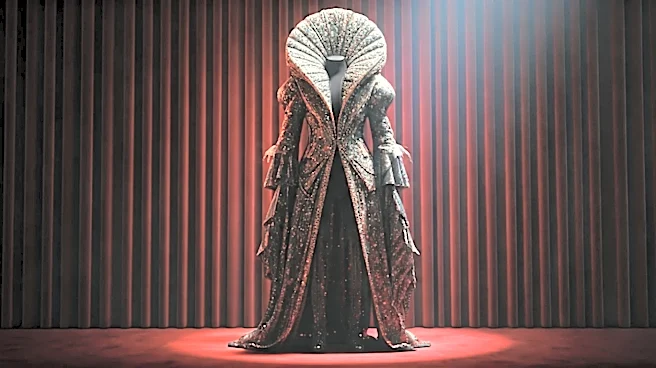
on stage tomorrow. This proximity to their role creates a unique fashion pitfall: the temptation to dress in character. Imagine an actor from a show set in the 1920s arriving in a flapper dress, or a star of a rock musical in leather and chains. While it might seem like a clever nod, it often reads as costume. It suggests the actor is unable to shed the role, reducing their multifaceted identity to a single performance. The job of a great actor is to disappear into a character; the job of a red carpet look is to announce their arrival as a star in their own right. Falling into the character trap can look amateurish, as if one is playing dress-up rather than engaging with the language of high fashion.
High Fashion as the Great Separator
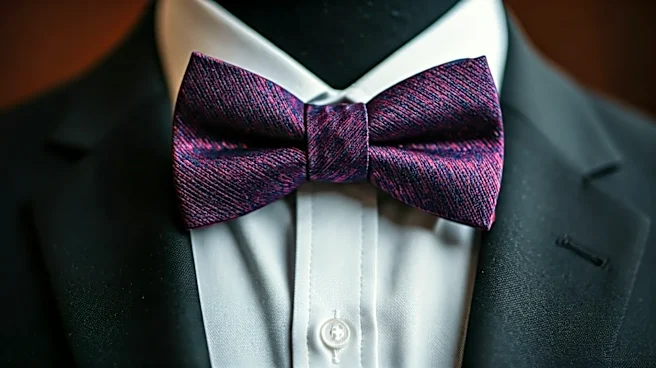
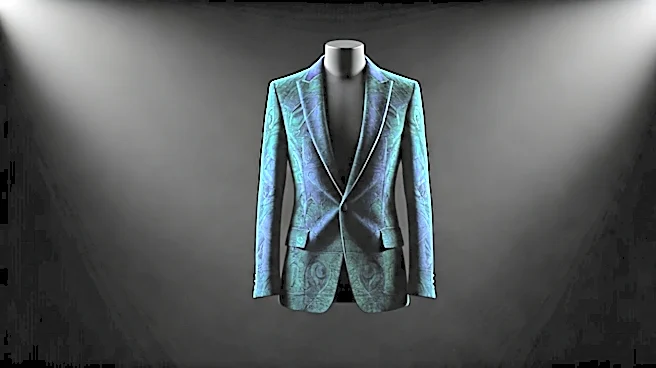
The most successful Tony Awards looks use the power of high fashion to create a deliberate and chic separation between self and stage. It’s not just about wearing a pretty dress; it’s about deploying silhouette, tailoring, and designer choice as tools of identity. When an actor known for playing a dowdy or distressed character appears in a razor-sharp, architectural gown, it’s a powerful statement. It says, “The character is my craft, but this is me.” Take Sarah Paulson at the 2024 Tonys. After months of playing a complex, fraying character in “Appropriate,” she arrived in a glittering, silver-and-black Prada column gown. The look was pure, undiluted glamour—modern, structured, and entirely separate from the world of the play. Similarly, Daniel Radcliffe, nominated for “Merrily We Roll Along,” chose a custom amethyst-colored Todd Snyder suit. It was vibrant, impeccably tailored, and projected a confident, contemporary style that was all his own. These choices aren't just fashionable; they are strategic assertions of personality.
The Masterclass: An Artful Homage
Navigating this line doesn’t mean an actor must completely ignore their show. The most sophisticated players engage in the artful homage—a subtle, elegant nod to their work that only enhances their personal style. This is the expert-level move, requiring a delicate touch. It’s not about literalism, but about mood and suggestion. An actor in “The Great Gatsby” might choose a gown with intricate, art-deco-inspired beading from a major fashion house—evoking the era without looking like a costume party attendee. A star from “Hell’s Kitchen” could wear a dress in a fiery, Alicia-Keys-inspired color, but in a sleek, minimalist silhouette that keeps it firmly in the realm of high fashion. This approach shows deep intentionality. It communicates an understanding of both the theatrical source material and the codes of the red carpet, blending the two into a look that is both referential and deeply personal. It’s a sartorial wink, not a full-blown reenactment.
Beyond the Marquee Names
This dynamic extends beyond the actors. The entire Broadway ecosystem—producers, directors, playwrights—participates in this silent communication through style. Their choices often reflect their different role in the production. A producer like Angelina Jolie, supporting “The Outsiders,” arrived in a dramatic, custom draped velvet Atelier Versace gown that read as pure movie-star power, a reminder of the Hollywood clout she brought to the project. Playwrights and directors often opt for an intellectual chic: think sharp suits, avant-garde Japanese designers, or understated but luxurious fabrics. Their clothing doesn’t scream for attention but rather suggests a quiet confidence and creative authority. Together, these different approaches create a rich and varied fashion landscape where every outfit tells a story about the person’s role not just on stage, but within the industry itself.