







From Humble Suit to Statement Piece
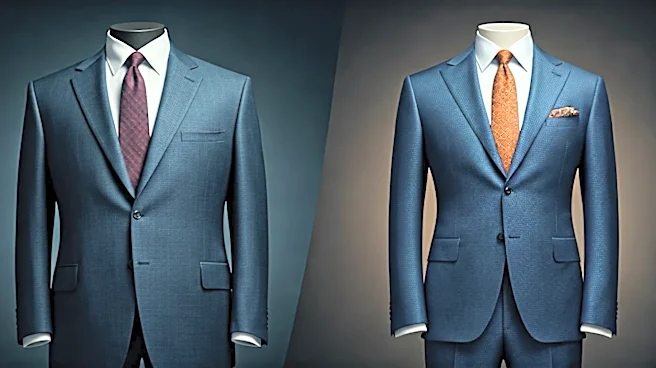
It wasn’t always this way. For decades, the NFL and NBA drafts were low-key affairs where the most daring fashion choice was a slightly-too-wide lapel or a questionable tie color. Prospects showed up in off-the-rack suits, looking more like they were headed
to their first accounting job than the pinnacle of athletic achievement. The goal was to look respectable, not remarkable. Then, pioneers began to chip away at the norm. Deion Sanders arrived at the 1989 NFL Draft dripping in gold chains and a custom tracksuit, an audacious act of self-branding that declared “Prime Time” had arrived before he ever played a down. In 2003, a young LeBron James showed up to the NBA draft in an all-white, baggy suit that was both a product of its time and a signal of his unique, undeniable star power. These moments were outliers, but they planted a seed: the draft wasn't just a professional milestone, it was a platform.
The Stylist Becomes a First-Round Pick
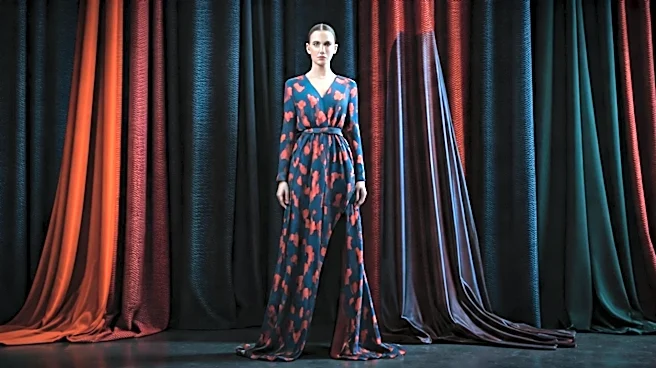
Today, a top prospect’s draft-night look is the result of months of planning, equivalent to a Hollywood actor preparing for the Oscars. The modern athlete’s secret weapon is the professional stylist. These experts work with players to craft a narrative through clothing. They aren’t just picking a suit; they’re sourcing custom fabrics, commissioning unique designs from luxury brands like Dolce & Gabbana or Louis Vuitton, and coordinating every detail, from the shoes to the diamond-encrusted chains. Players like New York Jets cornerback Sauce Gardner, famous for his diamond “SAUCE” chain, or Victor Wembanyama, whose dark green Louis Vuitton suit was a nod to his otherworldly talent, are perfect examples. The process involves mood boards, fittings, and a significant financial investment. The goal is to create a look that dominates social media feeds and telegraphs a player’s personality—be it confident, family-oriented, or artistically inclined—to teams, fans, and potential sponsors.
Building a Brand Before the First Paycheck
So, why the obsession? Because a professional athlete today is more than a player; they are a brand. In the age of social media and Name, Image, and Likeness (NIL) deals at the college level, players understand the power of personal marketing before they’re even drafted. The draft is their official launch into the professional marketplace. A killer outfit generates buzz, earns media mentions in outlets from ESPN to GQ, and showcases a level of sophistication and marketability that appeals to luxury brands. It's a calculated business decision. The suit lining that features photos of a player’s family isn’t just a sweet gesture; it’s a story that creates an immediate emotional connection with fans. The bold, fashion-forward choice isn't just a whim; it's a signal to Nike, Adidas, or a high-end watch company that this individual understands and can move culture. It’s about building an identity that transcends their on-field performance, creating a commercial appeal that can last long after their playing days are over.
The Unspoken Language of Luxury
Every element of a modern draft outfit is a piece of a carefully constructed puzzle. The color choice can be a nod to the player’s new team city or their alma mater. A custom-made lapel pin might represent their hometown. For many, jewelry is a particularly potent symbol of their journey. Lavish chains and bespoke watches are not just flashy accessories; they are tangible representations of success, a way of saying “we made it” for themselves and their families who supported them along the way. When CeeDee Lamb attended the 2020 virtual NFL draft, his suit jacket lining depicted a collage of his life’s journey, a visual tribute to his path. These details transform an expensive suit into a personal billboard. It tells the world who they are, where they came from, and, most importantly, where they believe they are going. In this high-stakes game, the wardrobe isn't just clothes; it's capital.