



Welcome to 'Stoppage Time'
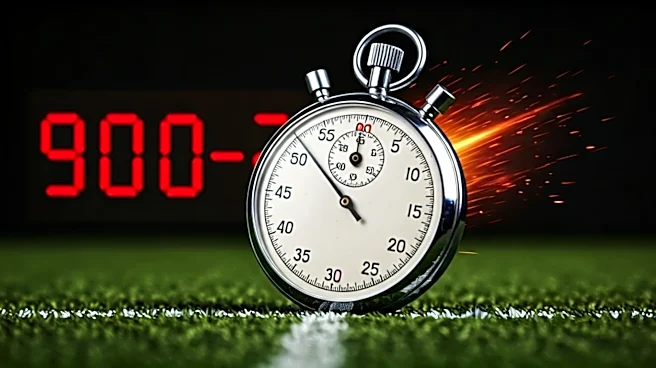
In most American sports, the clock is king. When it hits zero, the game is over, period. But in soccer, the 90-minute clock is more of a guideline. The game doesn't end when the clock reads 90:00; it ends when the referee decides it ends. That period of play after the 90-minute mark is officially called 'stoppage time' or 'added time.' It’s not overtime, which is a separate concept for breaking ties in knockout tournaments. Instead, it’s a system designed to make up for time lost during the normal course of play. The fourth official will hold up a board indicating the minimum number of additional minutes the referee has decided to add, but even that is just an estimate. The final whistle is entirely at the head referee's discretion.
The Science of Lost Time
So, where
does this extra time come from? Soccer is a continuously running clock sport, meaning the clock doesn't stop for routine events that halt the action. The referee keeps a separate, informal tally of these delays. According to the official Laws of the Game, time is added for a handful of specific reasons. The most common are substitutions, injuries that require assessment or removal of a player from the field, and time-wasting tactics by a team trying to protect a lead. Other delays, like a player receiving a yellow or red card, lengthy goal celebrations, or video assistant referee (VAR) reviews, also contribute to the final stoppage time figure. In essence, the goal is to ensure that the fans and players get the full 90 minutes of active play they were promised.
The Art of the Referee
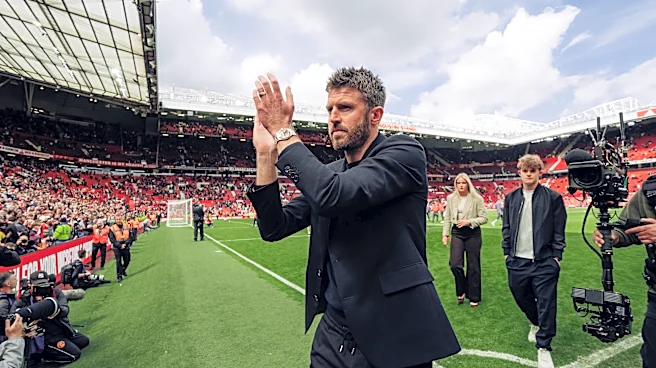
While the reasons for adding time are clear, the exact amount is a subjective art, not an exact science. The referee is the sole timekeeper and arbiter. This concentration of power is one of the most controversial and debated aspects of the sport. A team that feels it was short-changed on stoppage time will cry foul, while the leading team will nervously glance at their watches, begging for the final whistle. This subjectivity led to the famous phenomenon of 'Fergie Time,' named after legendary Manchester United manager Sir Alex Ferguson. Opposing teams swore that when United was losing at their home stadium, Old Trafford, the referees would mysteriously find extra minutes of stoppage time, giving Ferguson’s famously resilient teams a chance to score a late equalizer or winner. Whether true or just perception, it highlights the psychological weight these final minutes carry.
Where Legends are Made
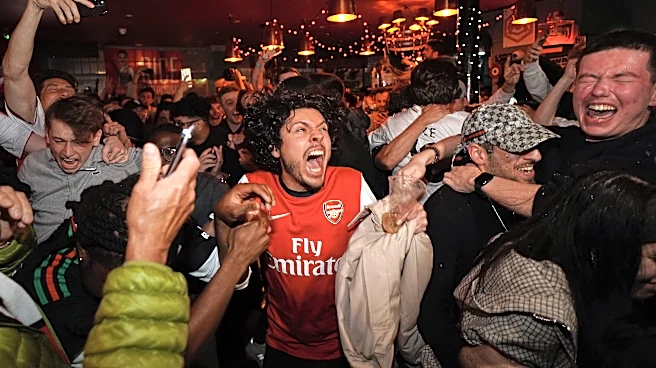
Stoppage time is not just a rule; it's a drama-manufacturing machine. It creates a window of desperate, frantic hope for one team and agonizing, nail-biting tension for the other. Some of the most iconic moments in soccer history have happened in these final, borrowed moments. Think of the 1999 UEFA Champions League Final, where Manchester United scored twice in stoppage time to snatch victory from Bayern Munich. Or Sergio Agüero’s legendary goal in the 94th minute to win the Premier League title for Manchester City in 2012, a moment simply known as '93:20.' These aren't just late goals; they are earth-shattering events that define careers and create club legends, all made possible because the game wasn't over when the clock struck 90.
A Quick Note on Extra Time
It’s important not to confuse stoppage time with 'extra time.' Stoppage time happens at the end of every half in every game. Extra time, on the other hand, is only used in knockout competitions (like the World Cup elimination rounds) when a match is tied at the end of regulation and a winner must be decided. In this case, after the final whistle of the second half (including its stoppage time), the teams will play two additional 15-minute periods. If the game is still tied after that, it typically goes to a penalty shootout. Stoppage time is about reclaiming lost time; extra time is about breaking a deadlock.