






More Than a 'Party with a Purpose'
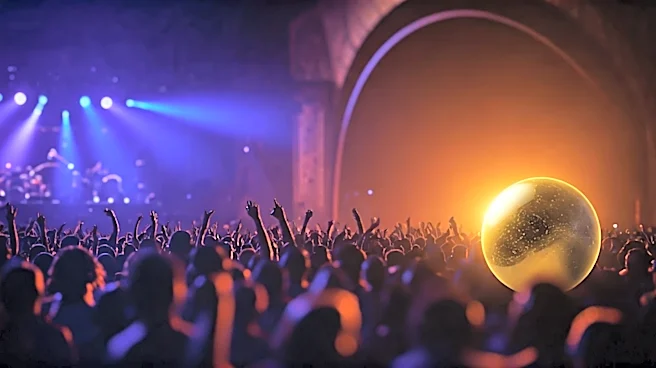
Originally launched in 1995 to celebrate the 25th anniversary of Essence magazine, the festival was quickly dubbed the 'party with a purpose.' [7] That purpose has since scaled dramatically. What began as a celebration of Black music and culture now functions
as a powerful economic engine. The festival's daytime programming, held at the massive Ernest N. Morial Convention Center, is a testament to this evolution. It offers a weekend of free experiences dedicated to discovery, connection, and community access, transforming the entire event into a full-scale cultural and economic force. [2, 3] This multi-day experience now combines high-octane music with programming that intersects fashion, food, wellness, and entrepreneurship. [17, 26]
The Corporate Connection
The festival's growth is fueled by major corporate sponsors who see immense value in connecting with the hundreds of thousands of attendees, the majority of whom are Black women. [5] Legacy partners like presenting sponsor Coca-Cola, alongside companies like AT&T, Ford, and Disney, don't just put their logos on a banner; they create massive, immersive brand activations. [16, 9] These can include everything from live tutorials and free product consultations to celebrity meet-and-greets and elaborate, interactive exhibits. [17, 9] For corporations, it’s a direct line to a powerful and often underserved consumer demographic. For the festival, this corporate backing provides the financial foundation to expand its free daytime offerings and community-focused initiatives. [23]
A Mecca for Black Entrepreneurs
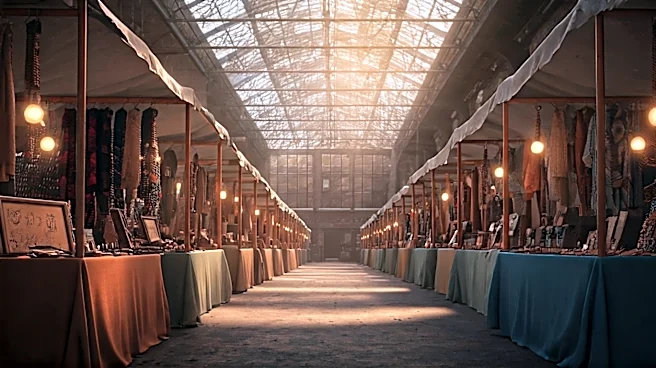
For many Black-owned businesses, Essence Festival is the most important weekend of the year. [20] The 'We Love Us: The Marketplace' is the premier shopping destination where attendees can discover and support emerging Black-owned brands in fashion, beauty, home, and more. [1, 24] This platform connects entrepreneurs with a massive audience eager to shop Black-owned, creating an unparalleled opportunity for sales and exposure. [12] Beyond the marketplace, dedicated spaces like the New Voices Village and Entrepreneur Hub provide workshops, networking, and mentorship for small businesses. [4] For many vendors, the festival is their Black Friday, providing the capital needed to reinvest and grow their businesses throughout the year. [25, 20]
Where Culture and Commerce Converge
The festival also hosts high-level discussions on economic empowerment. The Global Black Economic Forum (GBEF) brings together CEOs, policymakers, entrepreneurs, and thought leaders for conversations on building economic power and closing the wealth gap. [3, 4] This forum provides a platform for advancing solutions on a global scale, covering everything from the future of work to health equity and justice. [6, 11] The presence of GBEF underscores the festival's unique role as a place where the celebration of Black culture directly fuels conversations about creating generational wealth and economic parity. [26] It’s a space where the joy and energy of the concerts are matched by a serious commitment to financial progress.
The Billion-Dollar Impact
The result of this blended model of culture and commerce is a staggering economic footprint. In 2025 alone, the festival generated an estimated $321 million in economic impact for New Orleans. [3, 4] Between 2022 and 2024, the festival generated nearly $1 billion in economic impact for the city, creating thousands of local jobs. [15] It has become one of New Orleans' largest annual tourism events, filling hotels and restaurants during the city's typically slow summer season. [4, 8] This transforms the festival from a simple entertainment event into a vital economic lifeline for its host city, demonstrating how celebrating culture can produce tangible financial benefits for an entire community.