




The Talent Trap: Star Power vs. Niche Authority
One of the most significant line items in high-end podcasting is talent. Luring a celebrity host can cost millions, as networks bet an existing fanbase will translate directly to downloads. Sometimes it works, but it's a high-risk gamble. For every successful
celebrity-led show, there's an expensive flop that proves fame doesn't guarantee engaging audio content. Sustainable podcasts often take the opposite approach. Instead of buying a big name, they identify and elevate a niche authority—someone whose expertise is the draw. The host's credibility builds a loyal audience over time without the massive upfront cost. The strategic decision here isn't just about money, but about purpose. Are you paying for a built-in audience (the experiment) or building a dedicated community around unique value (the sustainable model)?
Production Value: The Polish That Pays (Or Doesn't)
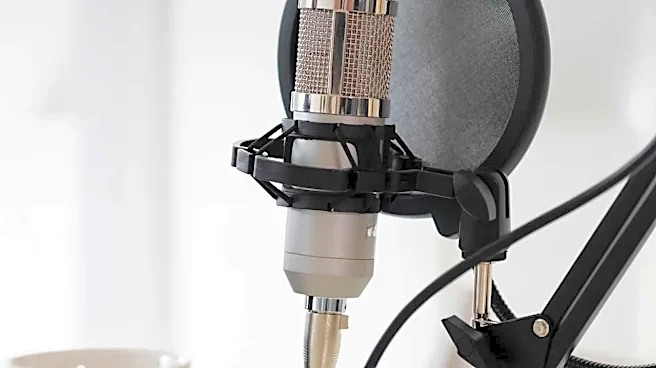
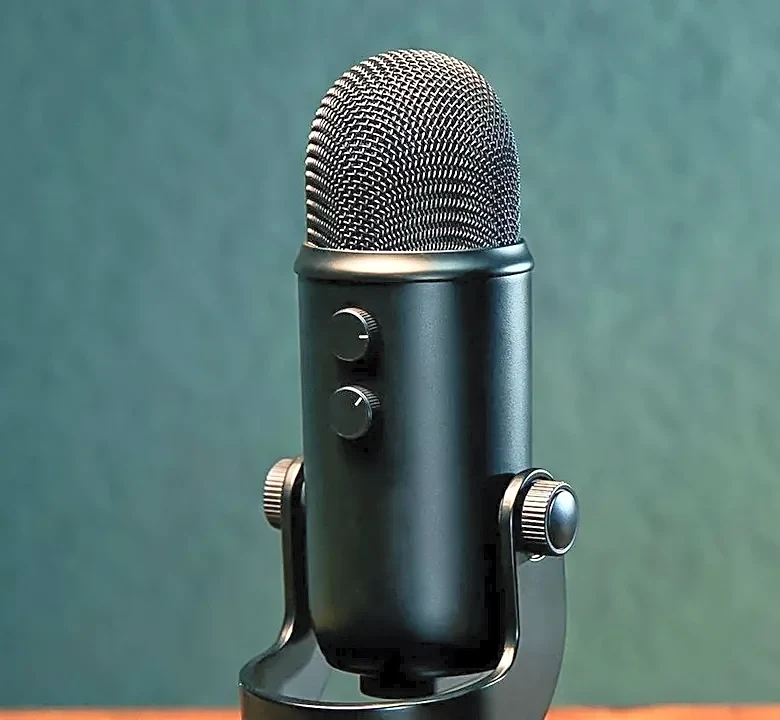
Everyone agrees that poor audio quality is a listener deterrent. But there's a Grand Canyon-sized gap between “clean audio” and “blockbuster sound design.” An expensive experiment might involve renting a high-end studio, hiring a foley artist, and commissioning a custom score—all before the show has a single listener. A sustainable podcast, however, focuses its budget on listener impact. This means investing in a quality microphone ($100-$400), learning the basics of recording in a quiet space, and paying a freelance editor for cleanup. The cost difference is stark: a DIY setup can run under $50 per month, while a full-service agency can cost thousands. The sustainable choice is to start with good-enough quality, prove the concept, and scale production value only when audience growth and revenue justify it.
Growth Strategy: Buying Eyeballs vs. Building Community
Once an episode is published, how do people find it? An expensive experiment often involves a massive marketing blitz, buying ads on major podcasts and social media with a budget that can run into the tens of thousands. This can spike initial download numbers, but it doesn't guarantee loyalty. If the content doesn't hold up, those listeners won't stick around for episode two. A sustainable podcast treats growth as a more organic, long-term effort. The budget might be smaller, but it's deployed more strategically. This could mean investing time in community engagement, swapping promos with other podcasts in the same niche, or creating shareable clips and show notes that improve discoverability. The key shift in thinking is from buying fleeting attention to earning lasting engagement. One builds a temporary spike, the other builds a brand.
The Monetization Mindset: A Business from Day One
Perhaps the most critical distinction lies in the fundamental approach. An expensive experiment is often just that: an activity without a clear business purpose. It's launched with enthusiasm but lacks a defined path to revenue or measurable ROI, causing it to fizzle out when the initial excitement fades. A sustainable podcast, regardless of its initial budget, is treated like a business from the start. This doesn't mean it needs to be profitable immediately. It means every spending decision is weighed against a specific goal. The goal might be lead generation for an existing business, building a platform for future projects, or cultivating a direct-support model through subscriptions. This strategic mindset ensures that resources—whether time or money—are never just spent, they are invested with an expectation of a return, ensuring the show has a reason to exist beyond just being another voice in the crowd.