




The Ultimate Deterrent
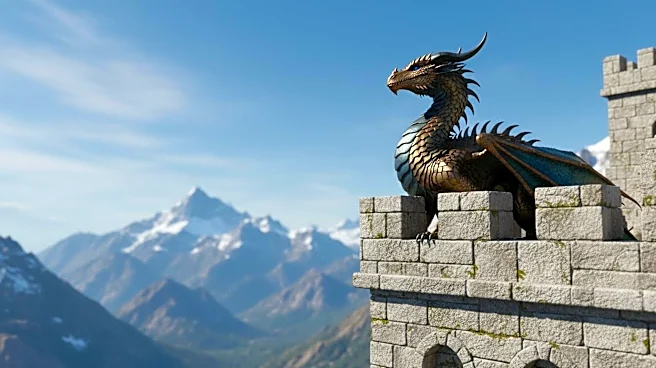
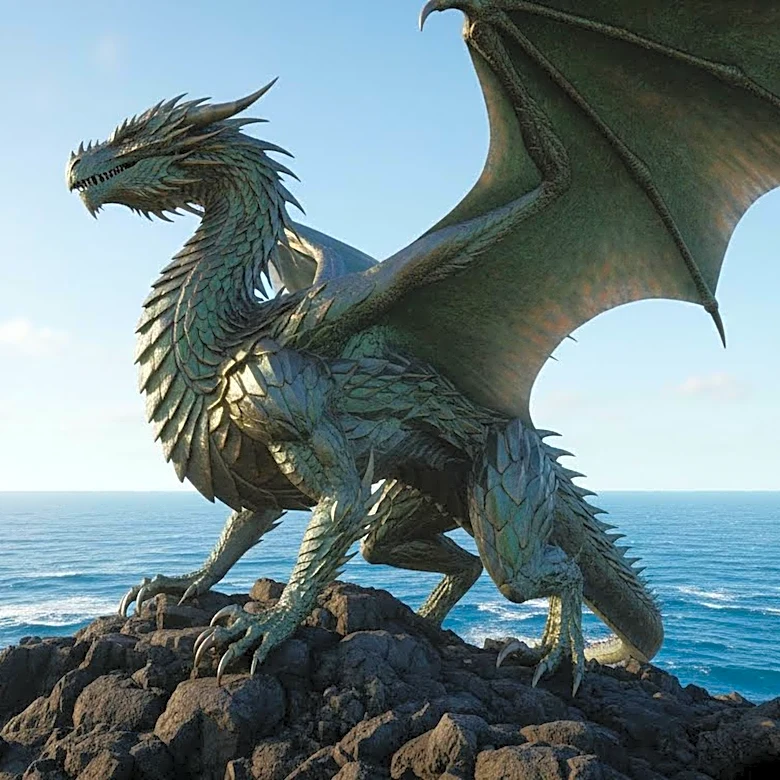
To understand the political value of a dragon, you first have to acknowledge its military reality. For the Targaryens, dragons are the equivalent of a nuclear arsenal. They are the reason a single family could conquer and hold a continent, and their presence
is a constant, terrifying reminder of that power. When Otto Hightower arrives at Dragonstone to deliver terms, he isn't met by soldiers with swords; he's met by Rhaenyra and Daemon on their dragons. The negotiation happens under the implicit threat of annihilation. This is the baseline for a dragon's power: the ability to end any argument with fire and blood. But the finale masterfully peels back this layer to show that owning the bomb is far less complicated than deciding when, or if, to use it.
The Queen's Restraint
The most powerful political move Rhaenyra makes in the finale is what she doesn't do. Upon learning of her son's murder, her counselors and her husband, Daemon, urge immediate and devastating retaliation. They possess a superior number of dragons and could likely scorch King's Landing. Yet, Rhaenyra hesitates. She understands that being a ruler is about more than personal vengeance or flexing military muscle. Her goal is to inherit a kingdom, not rule over a pile of ash. Her restraint is a calculated political act. By refusing to immediately unleash her dragons, she holds the moral high ground and demonstrates a temperament befitting a queen concerned with the welfare of the realm, not just her own power. This patience is, in itself, a form of power that Daemon, who famously believes dragons made them kings, fails to grasp.
Diplomacy by Dragonback
The mission of Rhaenyra’s sons, Jacaerys and Lucerys, perfectly illustrates the dual role of a dragonrider. They are sent not as conquerors but as envoys. When Lucerys arrives at Storm's End, his dragon Arrax is his credential. It is a symbol of the crown he represents, a living embodiment of the Targaryen dynasty's reach and authority. He is there to remind Lord Borros Baratheon of a sworn oath, a purely political act. Borros, however, isn't impressed by the messenger's dragon alone; he's interested in the political transaction. The Greens offered a marriage alliance, a concrete political gain, while Luke comes with only a reminder of past promises. The dragon gets you in the door and ensures you are taken seriously, but it doesn't close the deal. Politics still requires politicians, and the dragon is merely the most impressive, and dangerous, diplomatic vehicle.
The Uncontrollable Asset
The tragic climax over Shipbreaker Bay is the ultimate commentary on the nature of dragon-power. Aemond doesn't intend to kill Lucerys; he wants to intimidate him, to assert dominance, to claim a personal victory after being humiliated in Lord Borros's hall. But the dragons, Vhagar and Arrax, have their own instincts. In the storm and the chaos of the chase, the riders lose control. What was intended as a political power play—Aemond bullying the envoy of a rival monarch—spirals into an act of war that neither rider truly willed. Aemond's shocked face as he comprehends what he's done says it all. He has turned a priceless political asset into a liability that will ignite the very war his mother and grandfather sought to manage. The scene proves that the bond between rider and dragon is the most critical element; without absolute control, a political tool can revert to being a mindless, catastrophic weapon.