








Rule #1: Check Your Shoulders
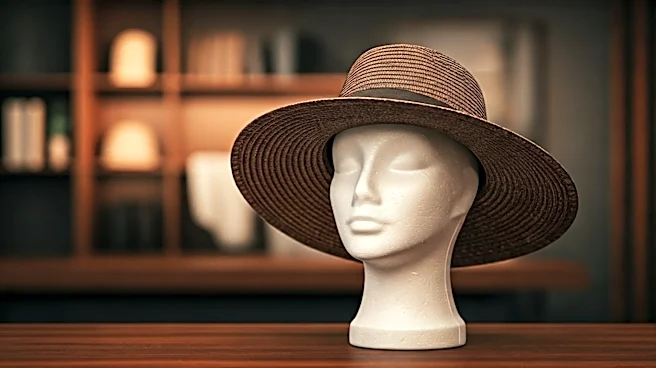
The most important rule of thumb for hat proportion has nothing to do with your face—it’s about your shoulders. Stand in front of a full-length mirror. The edge of your hat’s brim should not extend past the width of your shoulders. If it does, you’ll
instantly create a top-heavy, “mushroom” effect that feels unbalanced. A brim that aligns with or stays just inside your shoulder line creates a harmonious silhouette that frames your entire upper body instead of just swallowing your head. This single checkpoint can be the difference between looking chic and looking like you’re in costume.
Rule #2: Mind the Crown Height
We focus so much on the brim that we often forget about the crown—the part of the hat that actually sits on your head. If you have a smaller or more delicate facial structure, a very tall or boxy crown can be just as overwhelming as a wide brim. Look for hats with a lower, softer crown profile. For example, a classic fedora crown is more structured, while a boater is flat and a floppy sun hat often has a rounded, gentle crown. If a hat feels too 'tall' for your head, it’s probably the crown’s fault. Finding one that sits comfortably without adding excessive height is key.
Rule #3: Consider Your Face Shape
While not a hard-and-fast rule, matching a hat to your face shape can refine your look. For rounder faces, an asymmetrical brim or a hat with a high, angular crown (like a fedora) can add definition and length. For square faces with a strong jawline, a floppy, unstructured brim and a round crown can soften your angles. Heart-shaped faces, which are wider at the forehead and tapered at the chin, look fantastic in medium-brimmed hats that don't over-emphasize the forehead. And if you have an oval face? Congratulations, nearly any style will work for you, so you can focus purely on shoulder-width proportions.
Rule #4: Style Your Hair as a Counterbalance
Your hair is a powerful styling tool that can help balance a large hat. Letting your hair completely disappear under the hat can make your face seem smaller in comparison. Instead, use your hair as a counterweight. Soft, loose waves that peek out from under the brim add volume and texture around your face and shoulders. A low, loose ponytail or a side braid can also work beautifully, drawing the eye downward and creating a more intentional, elegant look. The goal is to create a complete picture, where your hair and hat work together.
Rule #5: Balance the Hat with Your Outfit
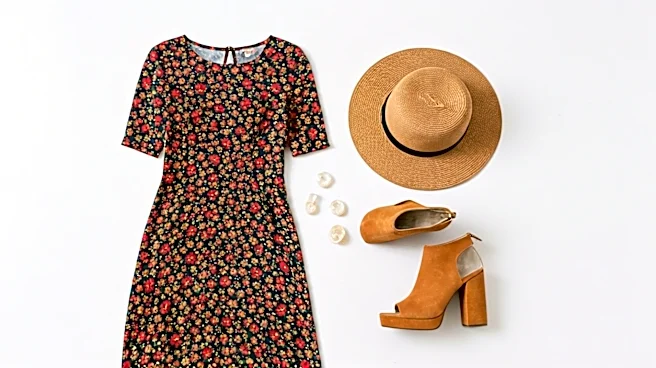
A wide-brim hat is a statement piece with significant visual weight. To avoid looking top-heavy, make sure your outfit can hold its own. Pairing a huge hat with a very slinky, minimalist slip dress might feel unbalanced. Instead, think about creating harmony from head to toe. A flowy maxi dress, wide-leg linen pants, a structured blazer, or even a simple A-line skirt all have enough presence to complement a wide-brim hat. Think of your hat as one part of a complete, balanced equation, not just an accessory you throw on at the end.
Rule #6: Wear It with Confidence
Ultimately, the most important element is your attitude. A statement hat requires a certain amount of confidence to pull off. If you’re constantly fidgeting with it or feel self-conscious, it will show. Once you’ve found a hat that fits your proportions, put it on and forget about it. Stand up straight, pull your shoulders back, and own the look. A wide-brim hat is meant to make you feel poised and powerful. Your posture and confidence are the final, crucial ingredients to ensuring the hat is an extension of your style, not a distraction from it.