






From Sitcom Bright to Cinematic Moody
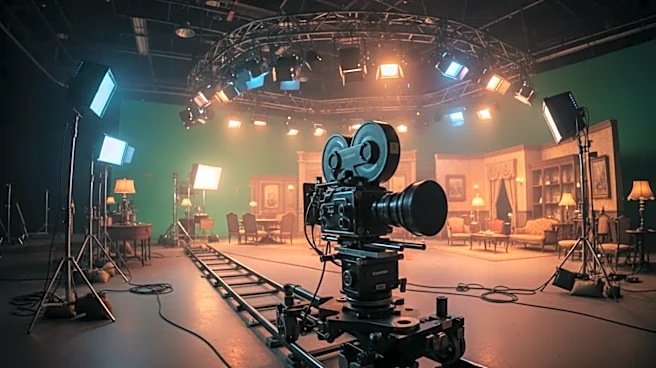
Think back to television from a couple of decades ago. Sitcoms and dramas were often bathed in a bright, even light. The goal was simple clarity; every corner of the set was visible, and every actor was perfectly illuminated from multiple angles. This
is often called “high-key” lighting, and it served its purpose for a medium that was, for a long time, considered less artistically ambitious than film. But in the era of “prestige TV,” shows like “Succession” and “The Bear” have adopted a radically different approach. They embrace shadows, contrast, and a visual texture that feels more authentic and immersive. This isn't just a trend; it's a fundamental shift in visual storytelling, borrowing heavily from the world of independent film to make television feel more grounded and real.
The Core Philosophy: Motivated Lighting
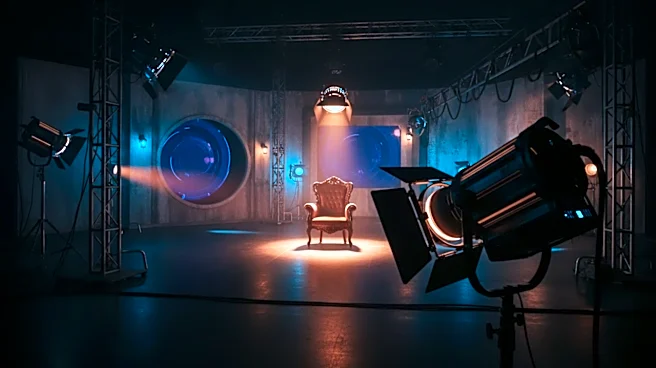
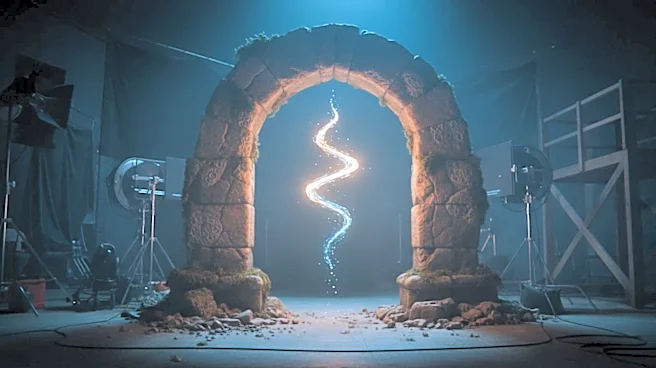
The central pillar of this naturalistic style is a concept called “motivated lighting.” The idea is that every source of light in a scene should feel like it has a logical origin. That beam of light cutting across a character’s face? It should seem to be coming from a window. The warm glow on their skin? It should look like it’s from the table lamp in the corner. Of course, it rarely is. The 'sunlight' pouring through a window on a studio set might actually be a massive 18K tungsten lamp positioned by a crew outside. The 'candlelight' for a romantic dinner might be subtly enhanced by a small, hidden LED fixture on the floor. The goal isn’t true naturalism, which can be unpredictable and flat, but a carefully crafted illusion of it. It's about justifying the light within the world of the story to deepen the audience's immersion.
The Secret Ingredient: Taking Light Away
Paradoxically, one of the most powerful tools for creating a natural look is not adding light, but taking it away. This technique is called “negative fill.” While traditional lighting uses a “fill light” to soften shadows, negative fill does the opposite by using large, black flags or boards to absorb ambient light and create deeper, more defined shadows. This technique is crucial for adding contrast, shape, and a sense of three-dimensionality to a character's face or a room. In an age of highly sensitive digital cameras that can practically see in the dark, cinematographers find that subtracting light has become just as important as adding it. By controlling shadows, they can guide the viewer’s eye, enhance the mood, and make a digitally captured image feel less sterile and more textured.
Case Study: The 'Controlled Chaos' of The Bear
FX's “The Bear” is a masterclass in this philosophy. To capture the claustrophobic energy of a high-stress kitchen, the cinematographers built the entire restaurant set with a fully integrated lighting system. All the lights, from the harsh fluorescents in the back to the warm bulbs in the dining room, were practical and controllable, eliminating the need for bulky, on-set lighting stands that would impede the show's signature free-flowing camera movement. They also pushed the digital cameras to their limits, intentionally shooting at a high ISO to introduce a grainy texture reminiscent of film. This combination of practical lighting and digital grain creates a look that is both hyper-realistic and artistically heightened, mirroring the show's blend of kitchen grit and emotional vulnerability.
Why Imperfection Feels So Right
Ultimately, the move toward naturalistic lighting is about emotion. The high-key, flawless look of older television can create a subconscious distance for the viewer. It signals artifice. In contrast, the shadowy, imperfect, and sometimes messy lighting of modern TV feels more like the world we live in. It allows for more nuance in performance, where a character can be partially obscured by shadow or turn their face into a single, revealing beam of light. This visual style suggests that we are merely a fly on the wall, observing real events unfold. This 'found' reality is, of course, the result of immense technical skill and artistic planning. It's a highly controlled imperfection, and it’s the secret that makes today’s television so compelling to watch.