





More Than Just Pockets
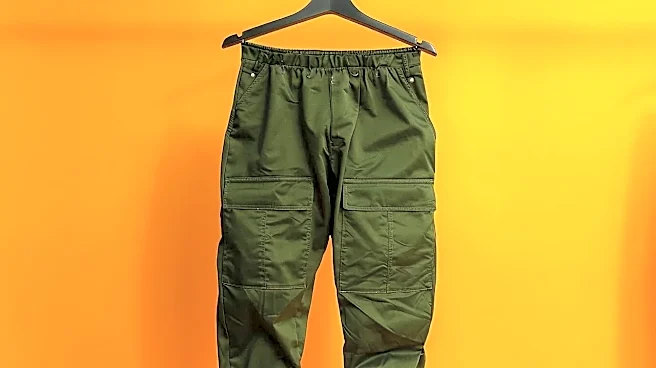
To understand cargo pants, you have to go back to their roots—and they have nothing to do with fashion. First introduced to the British military in 1938, these trousers were pure function. The large, accessible thigh pockets were a brilliant solution
for soldiers who needed to carry maps, ammunition, and gear while keeping their hands free. This utility-first design was later adopted by American paratroopers in World War II, cementing their association with rugged practicality. After the war, surplus stores brought these durable, affordable pants to civilians, where they were quickly adopted by workers and outdoor enthusiasts who valued their toughness over any stylistic considerations. For decades, they were simply hardworking gear for hardworking people.
From Battlefield to Boy Band
The 1990s changed everything. This was the decade cargo pants exploded into mainstream fashion, not through a designer's collection, but bubbling up from the streets. Hip-hop culture and the burgeoning skate scene embraced the relaxed, baggy silhouette, and suddenly, cargo pants were everywhere. They became a uniform for a generation, seen on everyone from rappers in music videos to the pop stars of the Y2K era. This is the version of the cargo pant most people picture: oversized, low-slung, made of heavy khaki twill, and often paired with an equally baggy T-shirt. This first wave of popularity is what locked in the stereotypes that would define—and haunt—the garment for years to come.
The Great Misconception
For a long time after their 90s peak, cargo pants became a punchline. They were seen as the official trouser of dads at a barbecue, tourists, or anyone who had given up on style entirely. The 'misreading' comes from shoppers viewing all cargo pants through this single, dated lens. The assumption was that they were inherently bulky, sloppy, and devoid of any fashion potential. To wear them was to signal that you prioritized carrying a dozen unnecessary items over a clean silhouette. This perception completely ignored the garment's potential, reducing a versatile piece of clothing to a one-dimensional stereotype. It was this cultural baggage, more than the pants themselves, that made them a fashion faux pas for nearly two decades.
Cargo 2.0: Fit, Fabric, and Flow
The cargo pant of today is a different beast. The Y2K fashion revival brought them back, but designers and brands have completely rethought the concept. The modern cargo is no longer defined by one baggy silhouette. It now comes in sleek, tailored slim-fit versions, flowing wide-leg cuts in silk or satin, and structured straight-leg styles. Fabrics have expanded far beyond heavy cotton, with designers using everything from lightweight linen to leather. The pockets are still there, but they are often more streamlined and serve as an intentional design detail rather than just bulky storage. This evolution means the new cargo pant is less about pure utility and more about a versatile, style-forward choice.
Styling for Today's Wardrobe
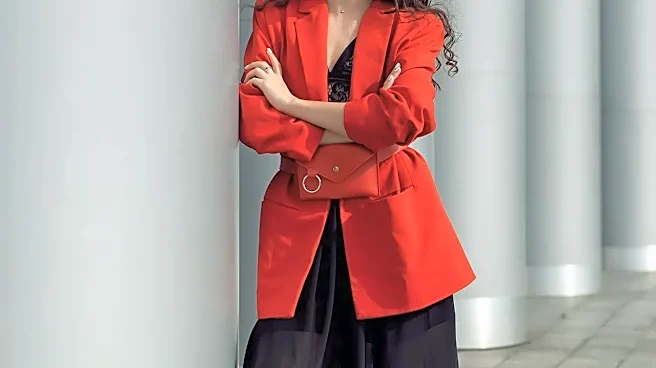
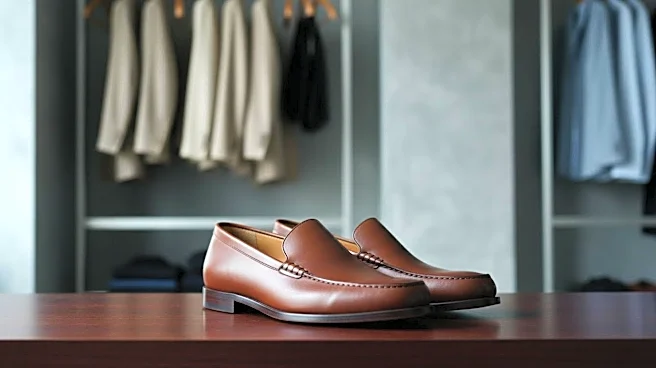
Reading cargo pants correctly in 2026 means forgetting the old rules. The key to a modern look is balance and contrast. Instead of pairing baggy cargos with a big hoodie, try them with a fitted top, a cropped jacket, or a structured blazer to play with proportions. Sleek, dark-colored cargo pants can even be dressed up for a smart-casual office with a silk blouse and loafers or heels. The trick is to treat them like any other pant in your closet, not as a separate, purely utilitarian item. By pairing them with more polished or structured pieces, you elevate them from their rugged origins into a chic, contemporary statement. It’s about letting the pant bring the edge while the rest of the outfit brings the polish.