

The Weightless Digital Object
One of the most common immersion-breakers is CGI that lacks physical presence. This happens when a digital element—be it a creature, vehicle, or object—doesn’t seem to obey the laws of physics. It might move too smoothly, lack proper shadows, or fail
to interact convincingly with its environment. The infamous CGI deer from Season 7 of The Walking Dead is a perfect example. The animal appeared to float over the ground, with lighting that didn't match the scene, turning a dramatic moment into an internet joke. This often happens when elements are composited hastily, without enough time to properly integrate them into the live-action plate. A similar issue plagued a submarine scene in Lost, which critics described as looking like a plastic-textured object from a video game.
The Unconvincing Green Screen
Green screen, or chroma keying, is a foundational tool for modern productions, but when done poorly, it's painfully obvious. The tell-tale signs are a faint green halo around actors, mismatched lighting between the foreground and the digital background, or a flat, depthless quality to the environment. The fantasy series Once Upon a Time was frequently criticized for its green screen work, which often made its magical realms feel artificial and small-scale. In one notable instance, a scene in Pretty Little Liars intended to be set at the U.S. Capitol was so unconvincing that it reportedly caused the audience at a Comic Con screening to burst out laughing. These errors instantly remind the viewer they're watching actors on a set, not characters in a world.
The 'Uncanny Valley' Character
Creating a fully digital, photorealistic human (or humanoid) is one of the biggest challenges in VFX. When a character gets close to realistic but isn't quite there, it lands in the "uncanny valley," a term for the unsettling feeling viewers get from something that looks almost human, but isn't. Marvel's She-Hulk: Attorney at Law faced this problem. Upon the first trailer's release, many viewers found the lead character's CGI to be unconvincing, with facial expressions and skin textures that seemed artificial. This issue isn't always about skill, but often about time and resources; fully rendering a lead character for an entire series is a monumental task. The same unsettling effect was noted in an infamous scene from The Sopranos, which used old footage and digital manipulation to create a final scene for an actress who had passed away, resulting in a distracting and eerie final product.
The Overly Ambitious, Under-Resourced Creature
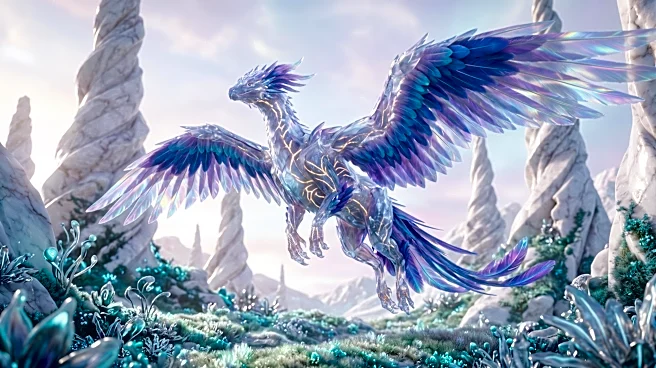
Many sci-fi and fantasy shows rely on digital creatures to populate their worlds, but ambition can often outpace the budget. Shows on networks with more modest funding can struggle to create convincing monsters, dragons, or werewolves. The BBC's Merlin and MTV's Teen Wolf both featured creative creature designs that were often let down by the execution, appearing goofy or artificial when seen in full light. Sometimes, even well-funded shows make missteps. Supernatural's attempt to visualize the ancient Leviathans in Season 7 resulted in a bizarre, cartoonish effect of mouths opening with poorly rendered digital jaws, which undermined their menace and became unintentionally comical.
The Last-Minute Scramble
Behind many of the worst VFX mistakes lies a single culprit: a lack of time. The television production pipeline is notoriously fast, and VFX artists are often the last step in a long chain. If scripts are changed late in the process or reshoots are ordered, the VFX team is left scrambling to complete complex shots with impossible deadlines. Industry insiders and VFX artists have repeatedly spoken out about the high-pressure crunch conditions, especially on massive franchise shows. This can lead to inconsistencies, where one episode's effects look polished while another's appear rushed. The issues with She-Hulk's visuals, for example, were partly attributed to major story decisions being changed late in post-production, forcing the effects team to rework scenes under immense pressure.