

More Than Just a T-Shirt
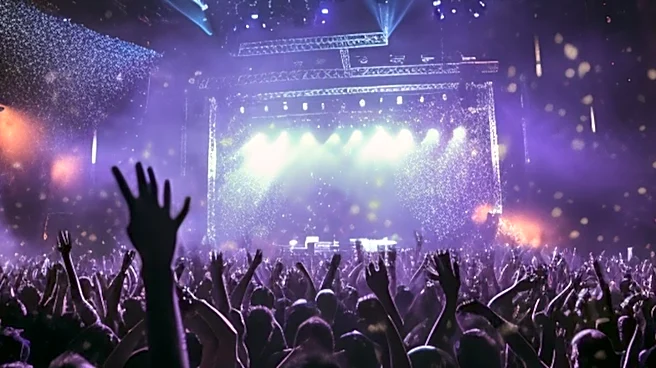
For decades, the concert tee was a straightforward artifact. You went to the show, you bought the shirt with the tour dates on the back, and you wore it to declare your allegiance. But a stroll through Chicago's Grant Park during this year's Lollapalooza
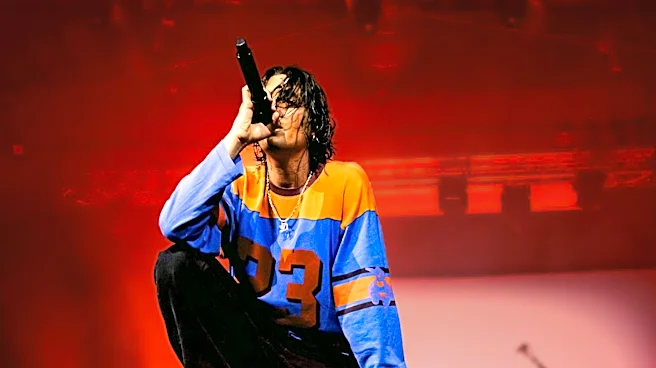
reveals a significant evolution. The simple logo tee still exists, but it's now part of a much larger ecosystem of jerseys, crop tops, hoodies, and even matching shorts. This isn't just about expanding the product line; it's a reflection of a fundamental shift in how fans interact with the culture of live music. The merch tent is no longer a quick pit stop; for many, it's the first destination upon entering the festival gates, with attendees planning their day around securing specific, often limited-edition, artist-specific items. These pieces are not just worn—they are styled, becoming the anchor for carefully constructed outfits that blend festival trends with personal identity.
The Artist as Fashion Curator
A major driver of this change is the artists themselves. Headliners at Lollapalooza 2026 like Charli XCX and Lorde have cultivated strong visual aesthetics that extend directly to their merchandise. Fans aren't just buying a piece of cotton with a name on it; they're buying into a whole creative universe. Observers noted that fans of certain artists could be identified by their overall style, with Lorde's followers sporting skeletal motifs and silver accessories, and Charli XCX's fans donning Von Dutch hats in a nod to her recent work. This turns merch into a subcultural signifier. It’s a way to show you’re not just a casual listener, but a true fan who understands the artist's world. This trend is amplified by artists who treat their merch drops with the same hype and strategy as a high-end streetwear brand, creating scarcity and immense demand.
Collaborations and Y2K Influence
Brands are keenly aware of this shift. This year, Lollapalooza partnered with Hollister for a capsule collection rooted in Y2K nostalgia, featuring washed-out fabrics, metallic details, and pieces like mesh football jerseys and tube tops. With prices ranging from about $25 to $70, these items are designed to be integrated into current trends, moving beyond the standard $45 festival tee. The collection’s focus on early 2000s style taps directly into the broader fashion zeitgeist seen across the festival grounds, where low-rise cargo pants, baby tees, and boho-western looks were popular. By offering merch that aligns with popular aesthetics, festivals and brands make it easier for attendees to build a full outfit around a single, branded piece, transforming it from a memento into a wearable, fashionable garment.
The Social Media Runway
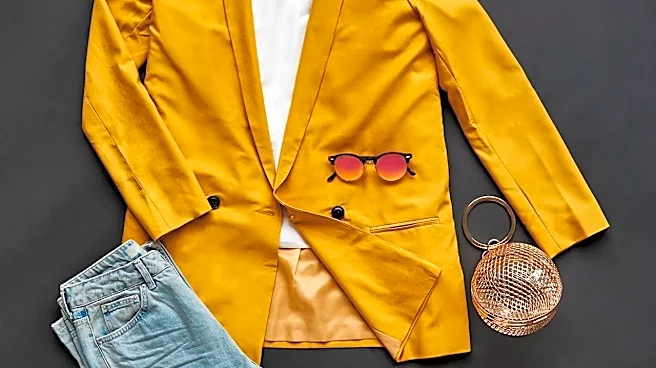
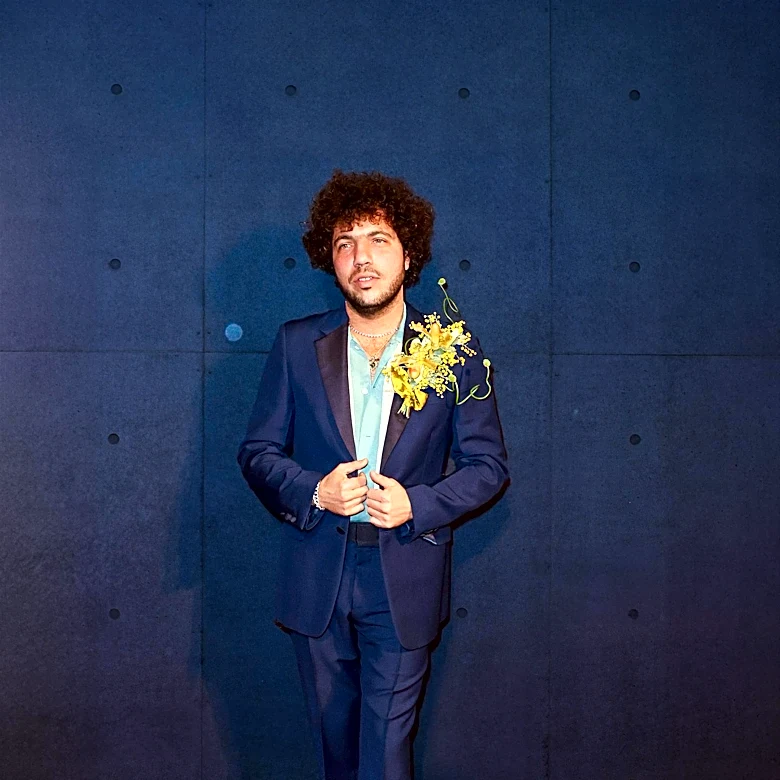
The final piece of the puzzle is the audience. In the age of TikTok and Instagram, your festival outfit is content. Fans use hashtags like #LollaReady to showcase their looks, often combining official merchandise with thrifted finds and DIY customizations. A standard lineup tee might be cut into a crop top, distressed, or paired with unexpected items like a flowy maxi skirt or layered jewelry to create a unique ensemble. This user-generated styling turns every attendee into a potential influencer and every corner of Grant Park into a runway. The goal is no longer just to show you attended, but to demonstrate your creative and stylistic interpretation of the festival's culture. This performative aspect of festival fashion elevates merchandise, giving it a new life as a canvas for self-expression that's meant to be seen, shared, and emulated online.