



The Allure of the Easy Fix
Let’s be honest: using standard hairspray is tempting. It’s affordable, available everywhere, and most of us already have a can under the bathroom sink. The logic seems sound—if it holds your biological hair, it should hold your wig's hair, right? This
assumption is what makes it one of the most common mistakes new and even experienced wig wearers make. The convenience is undeniable, especially for a last-minute touch-up. However, what works for hair growing from your scalp behaves very differently on fibers, whether synthetic or human, that are attached to a wig cap.
Synthetic Wigs: A Recipe for Damage
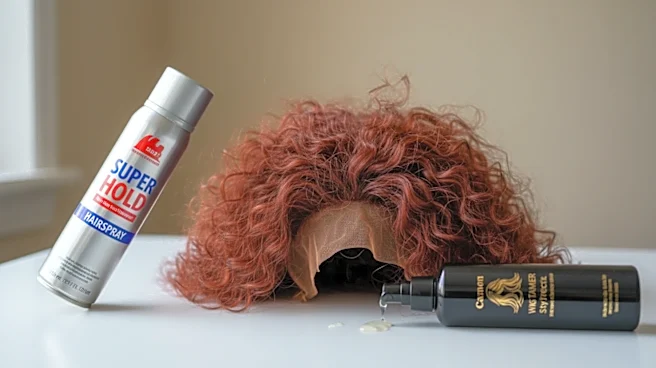
For synthetic wigs, using regular hairspray is a definite no. Synthetic fibers are essentially a form of plastic, and they don't have the natural cuticle layer that human hair does. Standard hairsprays often contain high concentrations of alcohol and other harsh chemicals that are incredibly damaging to these fibers. The alcohol strips the fibers, making them dry, brittle, and prone to frizzing and matting. The polymers in the spray coat the strands, creating a sticky residue that attracts dirt and dust, leaving the wig looking dull and lifeless. This buildup is difficult to wash out with gentle, wig-safe shampoos and can eventually lead to irreversible tangling and a stiff, unnatural texture. Simply put, products not specifically designed for synthetic hair can permanently ruin your wig.
Human Hair Wigs: A More Complicated Story
If you own a human hair wig, you have a bit more leeway, but caution is still key. Because the hair is real, it can technically handle regular styling products better than its synthetic counterpart. However, it’s crucial to remember that this hair is no longer receiving natural oils from a scalp. Without that constant source of moisture, even human hair wigs are more susceptible to drying out. The alcohols in many commercial hairsprays can dehydrate the hair, leading to breakage and a shorter lifespan for your investment. Excessive use will cause the same product buildup seen on synthetic wigs, weighing the hair down, making it look dull, and requiring more frequent, intensive washing which can also cause wear and tear. If you must use hairspray, choose a formula free of harsh alcohols and apply it sparingly from a distance.
The Smart Alternative: Wig-Specific Products
The safest and most effective way to style any wig is to use products formulated specifically for them. Wig-safe hairsprays and styling mists are designed to provide hold without the ingredients that cause damage. These products are typically water-soluble, making them easy to rinse out, and are free from the harsh alcohols that cause dryness and brittleness. They are formulated to work with the unique properties of both synthetic and human hair fibers, preserving their softness and movement. While they might cost a bit more upfront, investing in proper wig care products is the best way to protect your wig, extend its life, and keep it looking flawless for as long as possible.
What About Heat-Friendly Wigs?
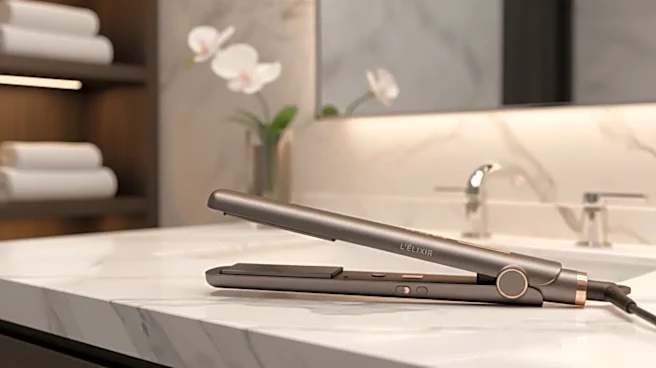
Heat-friendly synthetic wigs add another layer to the conversation. These wigs are made from fibers that can withstand low-to-medium heat from styling tools. While they are more resilient than standard synthetics, they are still not immune to product buildup. Using a heavy, regular hairspray can still create a stiff film that makes the fibers coarse and more prone to tangling. Just as with heat application, moderation is key. It's always best to use a light, wig-safe spray to set your style after using heat, ensuring you don't negate the benefits of the heat-friendly technology by coating it in damaging product.