

The Architect Beyond the Sketch
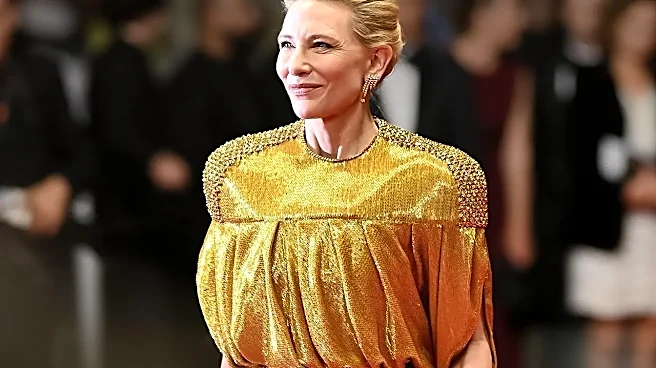
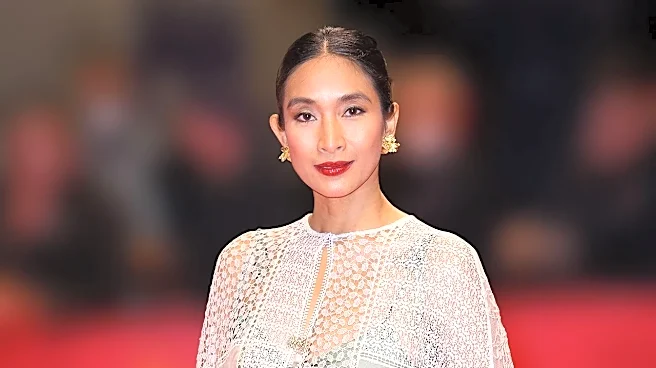
When a show-stopping gown glides down the Emmys red carpet, the credit invariably goes to the famous fashion designer. Their name is announced, their vision celebrated. But between the designer's initial 2D sketch and the three-dimensional, wearable art
is a pivotal artist who often remains anonymous: the pattern cutter. A pattern cutter, or modéliste in the world of haute couture, is the technical expert who translates a drawing into a functional garment. They are the engineer to the designer’s architect, figuring out the complex puzzle of how to make flat fabric wrap, curve, and fall perfectly on a human body in motion. They create the crucial paper or digital templates that guide every single cut and stitch, ensuring the final piece not only matches the design but also fits flawlessly.
The Physics of Fabric
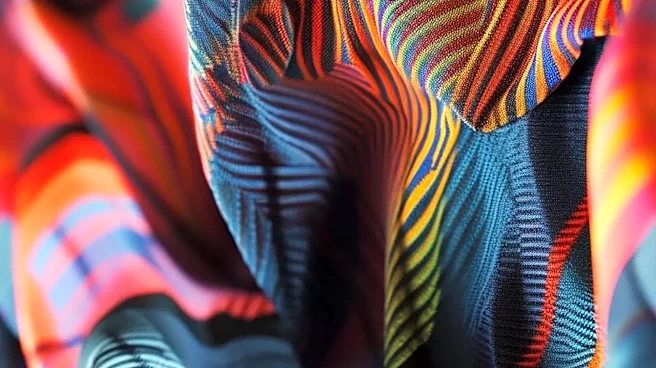
A pattern cutter's primary challenge is wrestling with the fundamental properties of fabric. Woven textiles have a lengthwise and crosswise grain, threads that give them structure and stability. Cut along these grains, fabric behaves predictably. But to achieve the liquid-like movement seen in the most memorable red carpet gowns, a pattern cutter must defy this rigidity. This is where their deep understanding of textile science becomes an advantage. They know that a heavy silk satin will drape differently than a lightweight chiffon, and that a stiff brocade requires an entirely different construction than a delicate lace. Their job is to anticipate how gravity, movement, and the wearer’s own body will affect the material, making millimeter-precise adjustments to prevent pulling, bunching, or awkward stiffness.
The Secret Weapon: Cutting on the Bias
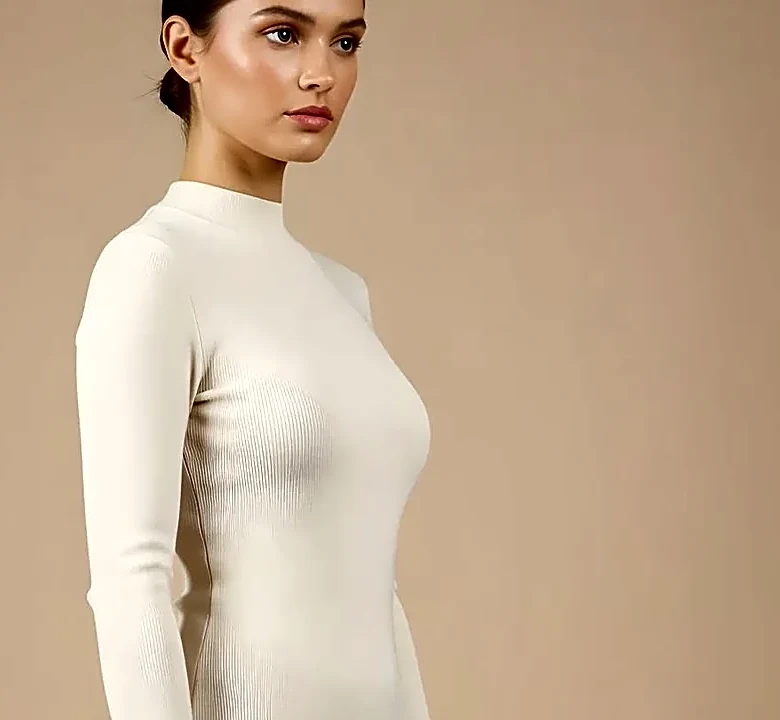
One of the most powerful techniques in a pattern cutter’s arsenal is cutting on the bias. Instead of cutting along the fabric's stable straight grain, they turn the pattern pieces to a 45-degree angle. At this diagonal, the woven threads have a natural elasticity, allowing the fabric to stretch and skim the body’s curves with a fluid, supple drape. This is the secret behind the slinky, body-hugging gowns of the 1930s and the iconic, seemingly liquid dresses that make a splash at events like the Emmys. However, this technique is notoriously difficult. Fabric cut on the bias is unstable, prone to stretching and warping during the sewing process. A master pattern cutter must account for this, often letting the cut pieces hang for a day or more to allow the fabric to settle before a single seam is sewn. It’s a method that requires more fabric, more time, and immense skill—a true hallmark of couture craftsmanship.
Engineered for the Red Carpet
An Emmys gown has to do more than just look good standing still. It has to perform. The wearer needs to walk, wave, sit for hours, and climb stairs, all while looking effortlessly elegant. This is where the pattern cutter’s advantage is most obvious. They engineer the gown for movement. The shape of an armhole and sleeve determines whether an actress can comfortably hug a fellow winner. The ease and shaping around the hips dictates whether a skirt will ride up while walking. The precise placement of darts and seams ensures the gown lays smooth while sitting, without gaping or pulling. Through techniques like draping fabric directly on a mannequin to see how it falls, they can solve fit problems before they arise, building a garment that works in harmony with the body, not against it.