
From the Factory Floor to the Runway
The story begins not in a designer's studio, but on factory floors and in military barracks. In the late 19th and early 20th centuries, brands like Carhartt and Dickies pioneered durable apparel for laborers who needed clothing that could withstand intense
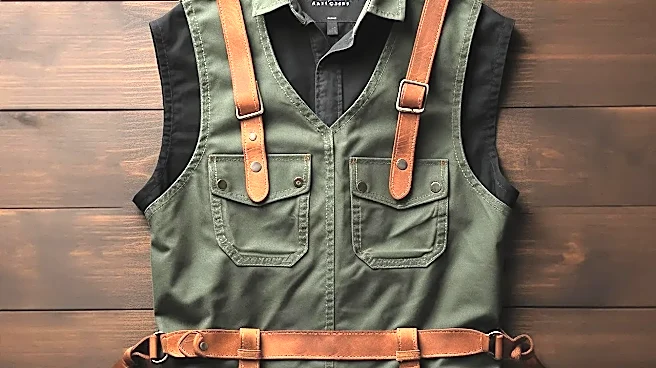
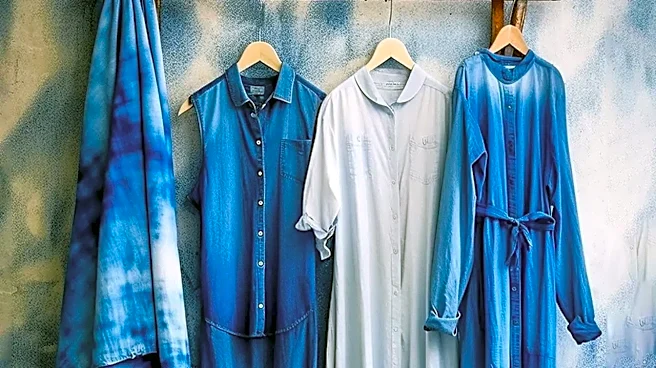
physical work. These garments, from the French 'bleu de travail' (working blue) chore coat to American denim overalls, were defined by their function: tough fabrics, reinforced stitching, and, most importantly, pockets designed to hold tools, not just a phone. Military gear, particularly the cargo pant introduced in the 1930s, followed a similar path, designed so soldiers could carry maps and supplies. For decades, these clothes were purely practical. But starting in the 80s and 90s, subcultures like hip-hop and skateboarding adopted workwear for its rugged authenticity and anti-fashion stance, pulling it into the realm of streetwear.
The Rise of 'Gorpcore' and Techwear
In recent years, two specific subcultures have supercharged the utility trend: gorpcore and techwear. Gorpcore, a term playfully derived from the trail mix acronym 'Good Ol' Raisins and Peanuts,' is all about incorporating outdoor and hiking gear into everyday city life. Think fleece jackets, puffers, and trail runners. Techwear, on the other hand, is a more futuristic, urban-focused style emphasizing technical fabrics, modular storage, and weather protection. While gorpcore is relaxed and outdoorsy, techwear is sleek and engineered. Both, however, share a core obsession with functionality. They celebrate visible practicality, from waterproof zippers to an abundance of pockets, normalizing the idea that your clothing should do something, even if your only expedition is the morning commute.
A Search for Comfort and Preparedness
The move toward utility also reflects a broader cultural shift. In an increasingly unpredictable world, there's a psychological comfort in wearing clothes that feel prepared and adaptable. After years of athleisure dominating casual wear, utility offers a new kind of comfort—one that's about durability and readiness, not just softness. The trend provides a sense of practicality and self-sufficiency. This is also seen as a quiet rebellion against the flimsy disposability of fast fashion; workwear is inherently sustainable because it's built to last. When a single, well-made jacket can serve multiple purposes, it encourages more mindful consumption.
When Function Becomes Pure Fashion
This brings us to the most curious part of the trend: the appearance of utility details on clothes that are not remotely functional. A delicate silk dress doesn't need reinforced seams, and a pair of high-fashion trousers is unlikely to carry a hammer. Here, the details become purely aesthetic—a visual shorthand for 'cool' and 'capable'. The pocket, once a tool, is now a decoration that signals a certain attitude. It's a way for designers to add visual interest and a touch of toughness to otherwise simple garments. This evolution mirrors how other functional items, like the denim jacket or the sweatshirt, transitioned from pure workwear or sportswear into essential fashion staples. The utility details are no longer just about carrying things; they carry meaning. They suggest a blend of preparedness and style, even if the only thing you're preparing for is a day of meetings.