



The Foundation of Protection
First, let's break down what we mean by the “base.” Every lip balm is a mix of ingredients designed to moisturize and protect. Oil-rich formulas often feel slick and glossy, using liquid oils as their primary component. Wax-heavy formulas, on the other
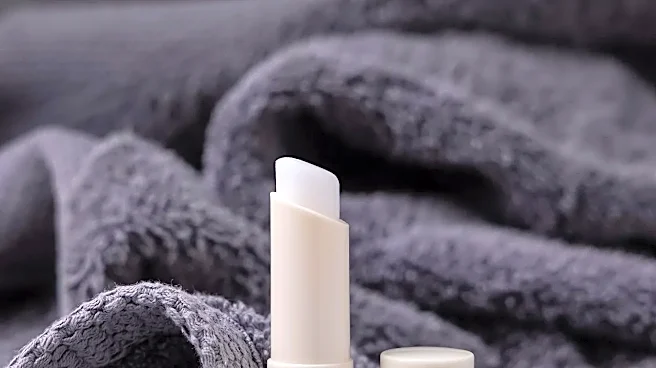
hand, use ingredients like beeswax, candelilla wax, or carnauba wax to create a more solid structure. Think of it like this: an oil-rich base is like a lightweight gloss, while a wax-heavy base is like a protective shield. While both can contain SPF, the physical structure provided by wax offers distinct advantages for keeping your lips safe from the sun.
The Stability Factor: An Even Shield
The single most important job of an SPF product is to create a uniform, unbroken film over your skin. Sunscreen filters, especially mineral ones like zinc oxide and titanium dioxide, need to be evenly dispersed to provide consistent protection. A wax-based formula excels at this. Waxes create a stable, semi-solid structure that holds the SPF particles in place, ensuring you get an even layer of defense across your lips. Oil-rich formulas, being more fluid, can sometimes allow the SPF particles to separate or spread unevenly. This can result in weaker spots in your sun protection, leaving parts of your lips more vulnerable to UV damage without you even realizing it.
Longevity and Wear Time
Lips are a high-motion area. We talk, eat, drink, and lick our lips, all of which can wear away a lip product quickly. This is where the durability of wax really shines. Wax-based balms are naturally more resilient and adhere to the lips for a longer period. Their thicker consistency means they aren't as easily wiped or licked away as a slick, oily formula might be. This extended wear time means the SPF protection remains effective longer, reducing the need for constant reapplication. While you should always reapply after eating or swimming, a wax base gives you a more reliable baseline of protection throughout the day.
The Occlusive Barrier Benefit
Beyond just holding SPF in place, waxes provide a powerful occlusive benefit. An occlusive ingredient forms a physical barrier on the skin that locks in moisture and protects against environmental aggressors like wind and cold air. In an SPF lip balm, this barrier does double duty. First, it helps keep your lips hydrated by preventing moisture loss. Second, it creates a robust layer that anchors the sunscreen filters to your skin, enhancing water resistance and overall durability. This is why many high-performance sunscreens designed for athletes or prolonged outdoor activity rely on a strong wax component.
How to Spot a Wax-Heavy Balm
So, how can you tell if a lip balm is wax-heavy? Check the ingredients list. If you see beeswax (cera alba), candelilla wax, or carnauba wax listed within the first few ingredients, it’s a good sign the product has a strong wax structure. These are often combined with nourishing butters like shea or cocoa butter, which also contribute to the balm's structure and moisturizing properties. Don’t be afraid of a product that feels a bit thicker on application; that texture is often what provides superior, longer-lasting protection. It’s that very structure that makes it a smarter choice for keeping the delicate skin on your lips safe.