




The Linen Paradox
We love linen for its unmatched ability to keep us cool in the heat. Spun from the flax plant, its fibers are naturally strong, breathable, and have a unique texture that gets softer with every wash. But that same natural structure is exactly why it wrinkles
so easily. Unlike synthetic blends or even wool, linen fibers have very low elasticity, meaning once they're creased, they tend to stay that way. This creates a style dilemma: you put on a crisp linen shirt feeling like you're ready for a stroll along the Amalfi Coast, but by lunchtime, you can feel like a rumpled mess. This is where many of us go wrong, reaching for steamers and irons in a desperate attempt to maintain a perfectly smooth surface. That is a battle you will never win.
The Secret Is a Mindset: Sprezzatura
The real Italian trick isn't a complex tailoring technique or a secret laundry hack; it's a philosophy called sprezzatura. First described in the 16th century by Baldassare Castiglione, it is the art of studied nonchalance—of making something difficult look effortless. Applied to style, it's about looking intentional and put-together without appearing like you tried too hard. An Italian gentleman doesn't see a wrinkle in his linen shirt as a flaw; he sees it as evidence of a life being lived. The fabric is supposed to move, to crease, to look beautifully lived-in. The goal is not perfection, but intentional ease. The wrinkles are part of the charm, signaling comfort and a relaxed confidence.
The Trick Isn't Erasing Wrinkles—It's Framing Them
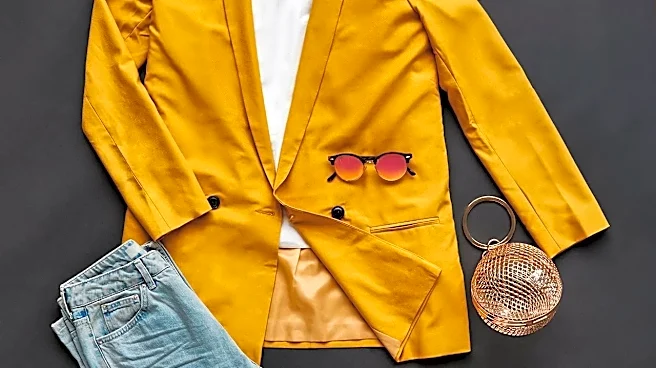
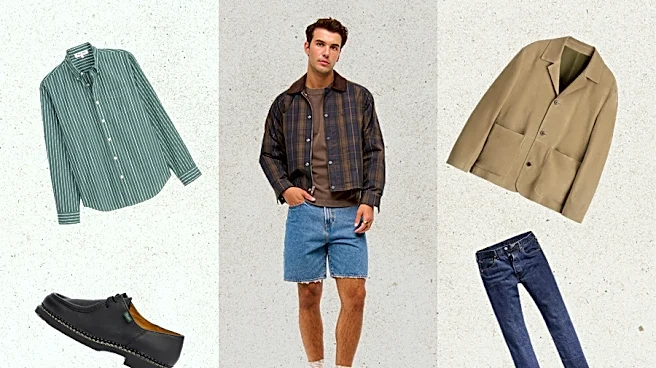
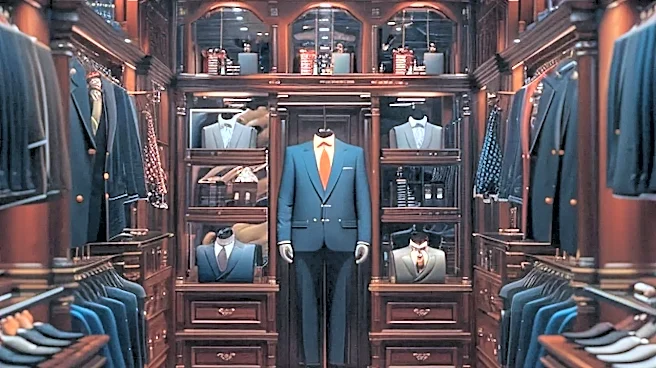
So, how do you achieve sprezzatura instead of just looking sloppy? The 'trick' is to control the context. A rumpled linen shirt on its own can look accidental. But a rumpled linen shirt paired with sharp, structured pieces looks deliberate and chic. This high-low mix is the foundation of modern Italian style. Think of a slightly wrinkled linen shirt worn with a pair of impeccably tailored trousers, a high-quality leather belt, and smart loafers. Or a soft, unstructured linen blazer thrown over a simple, clean t-shirt. The polish comes from the contrast. The sharpness of the other elements in your outfit provides a framework for the linen's natural texture, making it clear that your relaxed look is a conscious choice.
How to Put It Into Practice
Adopting this mindset is simple once you know the rules. First, prioritize fit. A well-cut linen garment that drapes correctly will always look more polished than a shapeless one, no matter how wrinkled it gets. Italian tailoring often favors a relaxed but considered silhouette—not tight, but not baggy. Second, invest in quality. Higher-quality linen often has a better weight and drape, allowing it to wrinkle more elegantly. Finally, focus on your anchor pieces. Keep your shoes, belt, bag, and any outerwear crisp and structured. A sharp pair of sunglasses or a classic watch can instantly elevate a simple linen outfit. You can even apply this logic to ironing; many stylists recommend pressing only the collar and cuffs of a linen shirt, leaving the body to wrinkle naturally. It's a small detail that perfectly encapsulates the entire philosophy: structure where it counts, ease everywhere else.