
The Millennial Matte Mandate
For many Millennials, the ideal makeup application was born on early Instagram, a platform that rewarded precision and a flawless finish. The goal was a polished, almost airbrushed canvas. Think full-coverage
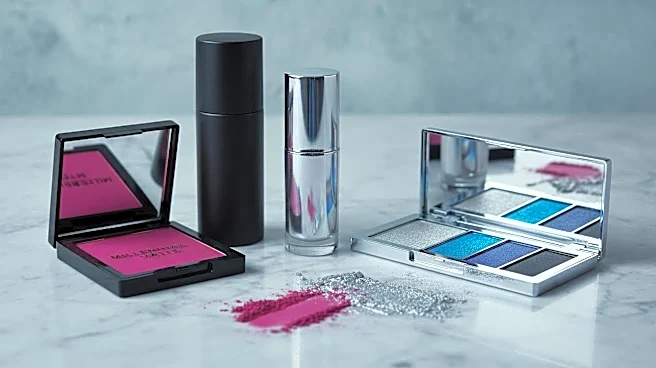
foundations that create a uniform base, sharp contouring to sculpt cheekbones, and the once-ubiquitous technique of "baking" with powder to set concealer for a crease-free, shine-free finish. This look is all about control and longevity. Eyebrows were meticulously shaped and filled, and the look was often completed with a swipe of a long-wear, intensely matte liquid lipstick. This style projects a purposeful and put-together image, one that was designed to look perfect under the scrutiny of a camera flash and a curated social media feed.
The Gen Z Chrome Complexion
Gen Z, shaped by the fast-paced, unfiltered nature of TikTok, has largely staged a rebellion against the heavy matte look. Their aesthetic is often called "chrome skin," "glazed donut skin," or simply "skinimalism." The priority isn't to cover, but to enhance. This trend is built on a foundation of skincare, with makeup as the final, playful layer. Instead of opaque foundations, Gen Z often opts for lightweight skin tints, dewy serums, and strategically placed concealer. The finish is radiant, light-reflective, and designed to look like healthy, hydrated skin. Blush is often a cream formula applied high on the cheekbones for a sun-kissed look, and lips are slick with hydrating oils and high-shine glosses. Texture isn't something to be hidden; it's part of the authentic appeal.
A Tale of Two Cosplays
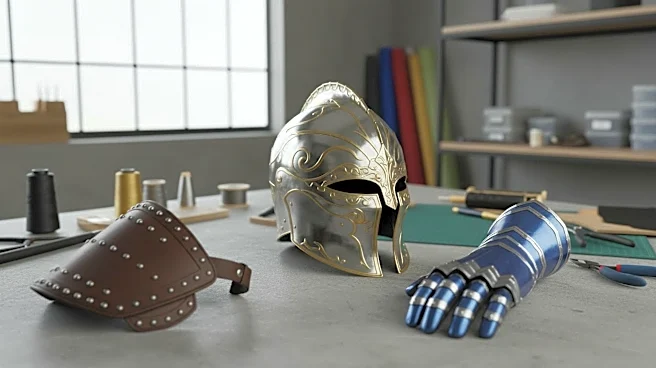
At a creative explosion like Comic-Con, both aesthetics find their perfect application. The Millennial matte technique is a cosplayer's dream for characters requiring a flawless, graphic, or cartoonishly perfect complexion. It offers the durability needed to last through a long day of panels and photo ops without melting under convention center lights. Imagine a classic comic book hero with a perfectly chiseled, non-reflective jawline—that's the power of matte. Conversely, the Gen Z chrome look is ideal for ethereal or otherworldly characters. A cosplayer portraying a fantastical elf, a glistening android, or a sea siren benefits from a dewy, light-catching complexion that suggests an inner glow. A chrome highlighter can create an unnaturally radiant cheekbone, while a glossy, wet-look eye can transform a human face into something alien and magical.
More Than Skin Deep
The divide between matte and chrome isn't just about powder versus serum; it's a reflection of different cultural values and relationships with digital identity. The Millennial approach was born from a desire for aspirational perfection in the early, highly curated days of social media. It was about presenting a polished, perfected version of oneself. Gen Z's preference for visible skin texture and dewy finishes is tied to a broader cultural shift toward authenticity and radical self-acceptance. For them, makeup is less about transformation and more about mood-based self-expression. While Millennials built their skills through detailed YouTube tutorials, Gen Z discovers trends through short, viral TikTok videos, influencing a more experimental and less rule-bound approach.