








A Ninety-Minute Symphony
The most immediate difference is the sound. American sports crowds are loud, but it’s a punctuated loudness. We roar after a touchdown, chant “DE-FENSE” when prompted by a Jumbotron, and erupt when the home team makes a big play. In a World Cup stadium,
the noise is a constant, rolling soundtrack. For 90 minutes, tens of thousands of fans are engaged in continuous singing, chanting, and drumming. These aren't just random yells; they are organized, often complex songs and chants passed down through generations or created by dedicated supporter groups. While an NFL game has breaks for commercials and analysis, a soccer match flows with few interruptions, and the crowd’s energy flows with it, creating a persistent, hypnotic atmosphere that’s more like a concert or a festival than a stop-and-start sporting event.
It’s More Than Just a Team
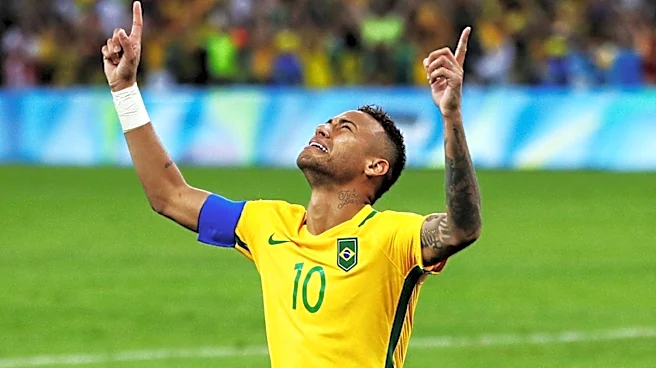
For many American fans, team loyalty is tied to a city, an alma mater, or a family tradition. For World Cup fans, it’s often deeper: it’s an extension of national identity. When Brazil or Mexico takes the field, their supporters aren't just cheering for 11 players; they are performing their national pride on a global stage. This fusion of sport and patriotism elevates the emotional stakes. A victory feels like a national triumph, and a loss, a collective heartbreak. This dynamic exists in the Olympics, but the singular focus of the World Cup amplifies it. The teams represent the story of their nation—its history, its diversity, its hopes—in a way that a city-based franchise rarely can.
The Art of Fandom
Soccer crowds don't just bring their voices; they bring their own production value. The visual spectacle is a massive part of the experience. The most stunning examples are “tifos”—enormous, choreographed displays of banners, cards, and flags that cover entire sections of a stadium. These are not sponsored by the team or the league; they are planned, funded, and executed by the fans themselves, sometimes taking weeks to prepare. From the seas of orange worn by Dutch supporters to the iconic blue and white of Argentina, the colors are a declaration of belonging. Add in the coordinated scarf-waving and, in some cultures, smoke flares, and the stands become a living, breathing work of art designed to inspire their players and intimidate the opposition.
A Global Pilgrimage
The context of a World Cup crowd is fundamentally different. For a regular season game in the U.S., fans might drive across town. For a World Cup match, fans might cross oceans. Many save for years to make the pilgrimage, seeing it as a once-in-a-lifetime event. This sense of occasion permeates everything. The streets of the host cities transform into international festivals, with fans from dozens of countries mixing, singing, and celebrating together. The crowd inside the stadium isn't just a collection of local ticket holders; it’s a global gathering of the most passionate and dedicated supporters a country has to offer, creating an intensity that’s impossible to replicate in a domestic league setting.