





The Referee's Sole Point of Contact
The most significant, rule-book-defined difference lies in who gets to talk to the referee. In soccer, the captain is designated as the *only* player with the right to approach the official to discuss a decision in a respectful manner. When you see a mob
of angry players surrounding a ref after a controversial call, the official will almost always shoo them away and say, “I’ll only speak to the captain.” This gives the soccer captain a unique, constant, on-field diplomatic responsibility. In the NFL, this singular channel doesn't exist. While captains participate in the coin toss, any number of players—from the quarterback seeking clarification on a rule to a defensive lineman pleading his case—can and do communicate with the officials. This decentralizes in-game dialogue, making the NFL captain’s role in this area largely ceremonial.
On-Field Coach vs. Sideline System
Soccer is a fluid, continuous game where the manager is confined to the technical area, often unable to communicate detailed instructions over the roar of the crowd. Here, the captain often functions as the coach’s on-field deputy. They are expected to organize the team's shape, rally flagging teammates, and make minor tactical adjustments on the fly. A great captain, like Barcelona’s legendary Carles Puyol, could be seen physically moving his defenders into the correct position during a game. The NFL, by contrast, is a start-and-stop game dictated by complex plays called from the sideline. The quarterback, wearing a radio receiver in his helmet, is the true on-field tactical conduit for the offense, relaying the play from the offensive coordinator. The defensive play-caller gets a signal from the defensive coordinator. While captains provide leadership, the strategic command-and-control structure flows from the coaches to designated players, not necessarily through the captaincy itself.
The One vs. The Many
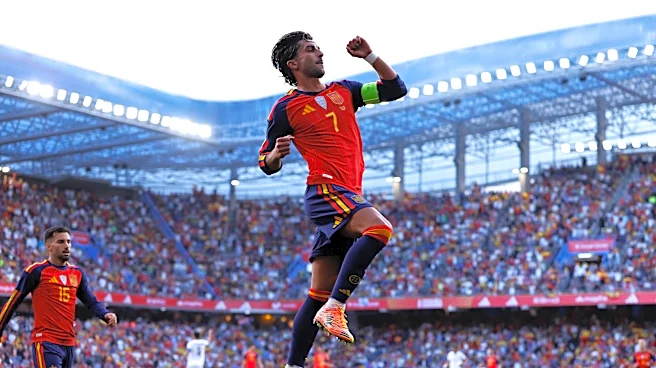
In soccer, the captaincy is typically a singular honor. There is one club captain. If they aren't on the field, a designated vice-captain takes the armband. The title carries immense weight and is often bestowed upon a long-serving, respected veteran who embodies the club's values. It’s a focal point of leadership for the entire squad. The NFL handles this very differently. Teams can name up to six captains per season—often designating separate leaders for offense, defense, and special teams. Some teams even vote on captains on a weekly basis. While still an honor, the sheer number of captains dilutes the symbolic weight compared to soccer’s singular figurehead. Being *a* captain in the NFL is a mark of respect; being *the* captain in soccer is a statement about your centrality to the team's identity.
Embodying the Club vs. Leading the Locker Room
For global soccer clubs, the captain is more than just a player; they are an ambassador. They are often the first player to speak to the media after a win or a devastating loss, expected to represent the club's face to the world. They lead the team out of the tunnel, lift the trophies, and are seen as the living embodiment of the team's spirit. Think of figures like Steven Gerrard at Liverpool or Francesco Totti at Roma—players whose identity was inseparable from their club. While NFL captains are certainly locker room leaders, the “face of the franchise” is more often the star quarterback or the head coach. The media and fan focus gravitates toward the QB, whose performance has an outsized impact on the game’s result. The NFL captain’s leadership is often more internal, focused on setting the tone in practice and on the sideline, whereas the soccer captain's role is both internal and explicitly public-facing.