
The Anatomy of a Six-Figure Bill
First, let's get one thing straight: that $150,000 figure isn't just for some fancy cheese and crackers. It’s the price of creating a flawless, exclusive experience in one of the most competitive environments
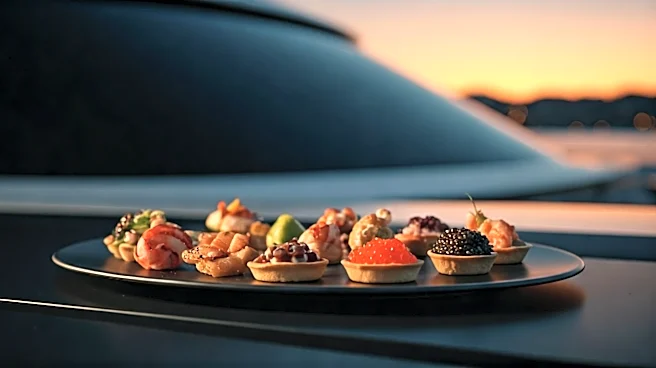
on Earth. The cost breakdown begins with the food and drink, which is astronomical. We’re not talking about your local caterer. These are Michelin-level chefs and elite sommeliers sourcing premium ingredients and rare vintages. A steady flow of Dom Pérignon or Cristal isn't a luxury; it's the baseline expectation. Add to that the cost of highly trained, multilingual service staff—bartenders, waiters, security—who are paid a premium to work long hours with a smile, often with last-minute changes. Then there's the 'Cannes tax,' an unofficial but very real surcharge on everything from ice delivery to floral arrangements. During those two weeks in May, the French Riviera becomes a bubble where normal market rates cease to exist.
Why the Yacht is Everything
The single biggest line item, and the ultimate status symbol, is the venue: the yacht. During the festival, the Port de Cannes is lined with superyachts that aren't just for show; they are floating fortresses of business. Renting one of these for the festival duration can cost anywhere from $100,000 to over a million dollars per week, before you've even uncorked a single bottle. Companies see this as a non-negotiable cost. A yacht provides privacy for A-list talent, a controlled environment for sensitive meetings, and a massive, unmissable billboard for your brand. When a film company charters a yacht, it’s not just hosting a party; it's staking its claim. The catering bill is an extension of this. You can't park a $50 million vessel in the harbor and serve cheap prosecco. The extravagance of the hospitality must match the extravagance of the real estate. It's a holistic statement of power and prestige.
The Price of Access and Illusion
The entire economy of Cannes is built on a carefully constructed hierarchy of access. The parties are the ecosystem where this hierarchy plays out. That $150,000 budget is, in essence, the price of admission to the inner circle. It buys the ability to invite the right journalists, financiers, distributors, and stars into your orbit. In a town where thousands of people are clamoring for attention, a stunningly catered party on a yacht is how you cut through the noise. The food isn't just for sustenance; it’s a tool of influence. The perfectly chilled champagne isn't just a drink; it's a social lubricant for a deal that could be worth tens of millions. The event itself becomes a piece of valuable content, with photos of celebrities on your branded yacht plastered across social media and trade publications the next day, creating a powerful illusion of success and importance.
The ROI of Champagne and Canapés
For a studio, sales agent, or production company, a six-figure party budget is not filed under 'entertainment'—it's filed under 'marketing and sales.' The return on investment isn't measured in empty bottles, but in closed deals and generated buzz. A film's entire international distribution strategy might be secured over cocktails on a yacht deck. An unknown actor’s career could be launched after a chance conversation with a powerful director at the open bar. The press generated from a star-studded party can be worth more than a traditional advertising campaign. From this perspective, the cost seems less like an extravagance and more like a strategic business expense. In the high-stakes, high-risk world of film, spending $150,000 to potentially secure a $20 million distribution deal or launch a global phenomenon doesn't just make sense; it's considered smart business.