






The Anti-Festival Philosophy
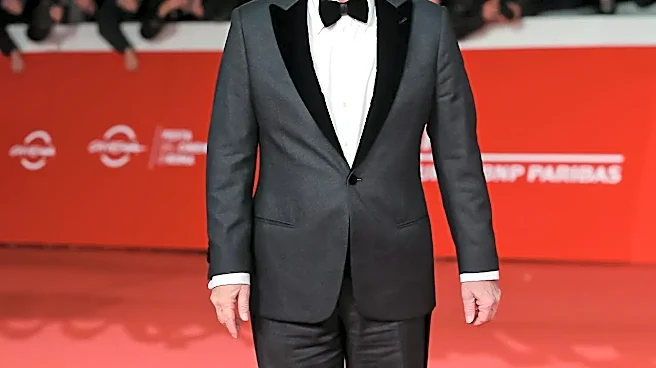
To understand Telluride’s appeal, you first have to understand what it isn't. There are no red carpets, no paparazzi, no competitive awards, and, most famously, no program announced in advance. Attendees buy pricey passes and book travel to the remote
Colorado mountain town on pure faith, trusting the organizers to deliver a remarkable slate of films. This unconventional approach strips away the industry noise and marketing hype that dominate other major festivals. Instead of being a marketplace or a publicity circus, Telluride is engineered to be a celebration of cinema itself. The focus shifts from who is wearing what to the shared, communal act of discovery in a dark room. This philosophy creates an environment where the theatrical experience isn't just one component of the festival; it's the main event.
Theaters Forged from Mountain Town Magic
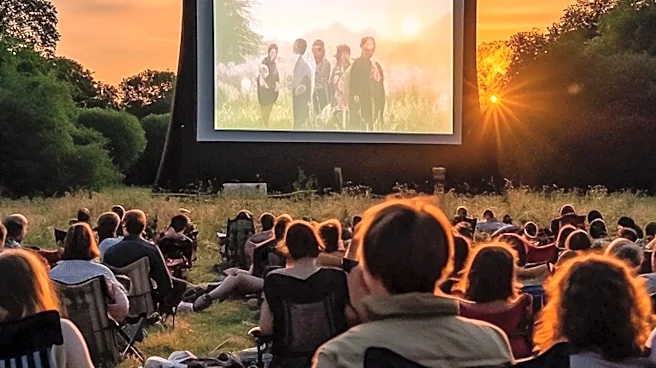
The venues at Telluride are a world away from sterile multiplexes. The festival transforms the entire town, creating a dozen temporary and permanent cinemas, each with its own character. The historic Sheridan Opera House, which once hosted legends like Harry Houdini, serves as the festival’s heart. Other spaces are born from necessity and imagination: a middle school gym becomes the Galaxy theater, the Masonic Hall turns into a Victorian-style cinema, and a state-of-the-art screen is housed in the purpose-built Werner Herzog Theatre. There’s even an open-air cinema in Elks Park for watching films under the stars. This pop-up cinematic village means that emerging from a two-hour film doesn’t return you to a busy city street, but to a crisp mountain evening, surrounded by fellow cinephiles ready to debate what they just saw. The environment itself becomes part of the show.
A Forced Community of Film Lovers
Telluride's small size and remote location are not inconveniences; they are core features. For four days over Labor Day weekend, the tiny town triples in size, filled with filmmakers, critics, and passionate audiences. Unlike sprawling urban festivals in Toronto or Cannes, there’s no escape. Directors stand in the same coffee lines as the people who just watched their films, and conversations spill from theaters onto the town's main street. This intimacy fosters a uniquely democratic and collegial atmosphere. The lack of a VIP-cordoned-off culture means the entire town becomes a single, film-obsessed community. The shared experience of waiting in line, riding the gondola, and grabbing a bite to eat becomes an extension of the festival itself, creating a powerful sense of camaraderie built around a collective love for movies.
Curation as a Statement of Value
Because the lineup is a secret, the audience places immense trust in the festival's curators. Over the decades, Telluride has earned that trust by becoming a crucial launchpad for films that go on to define the cinematic year, from “Blue Velvet” and “Brokeback Mountain” to future Oscar winners. The programming is a mix of major world premieres, restored classics, and overlooked gems. By programming these films for a theatrical setting, Telluride makes an implicit argument: these stories deserve your undivided attention, on a big screen, in a room full of strangers. It’s a powerful counter-narrative to the passive, distracted way we often consume media today. Choosing to spend a weekend blissfully moving between flickering dark rooms is a deliberate act of cultural participation, a declaration that some art demands more than a casual click.