








The Old-School Powerhouse
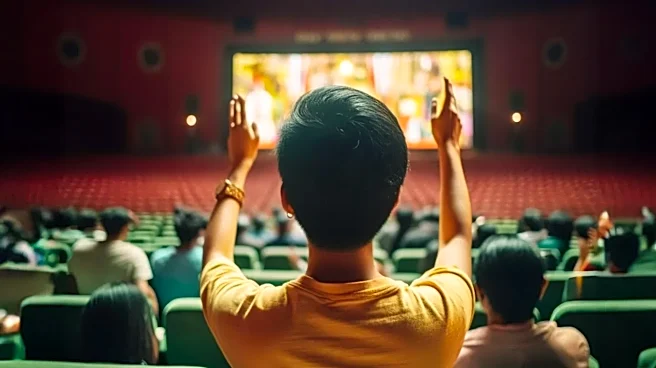
For decades, the BFI London Film Festival (LFF) followed a familiar, prestigious script. It was a physical, London-centric affair, a red-carpet-and-velvet-rope institution where cinephiles gathered in the city's iconic cinemas to watch the year's most
anticipated films. Its identity was tied to the big screen, the shared darkness of the theater, and the exclusive thrill of being in the room where it happens. It was, like Cannes or Venice, a cornerstone of the annual film circuit, built on a model that felt as permanent and unshakeable as the buildings that hosted it. But the world was changing faster than the film industry, and an unforeseen global event would soon force the festival to confront a critical choice: adapt or become a relic.
A Pandemic-Sized Plot Twist
The COVID-19 pandemic in 2020 was the ultimate catalyst. With cinemas shuttered and international travel halted, the traditional festival model became impossible overnight. Rather than cancel, the LFF executed a dramatic pivot. The 2020 edition was a stripped-back, primarily virtual affair. The number of feature films was slashed from over 200 to just around 50, with most premiering online via the BFI Player streaming service. It was a radical experiment born of necessity. Festival director at the time, Tricia Tuttle, framed it as an opportunity to 'think creatively about how we make the festival more accessible'. This forced move away from physical-only screenings broke a decades-long tradition and laid the groundwork for a completely new identity.
Embracing the 'Multi-Format' Universe
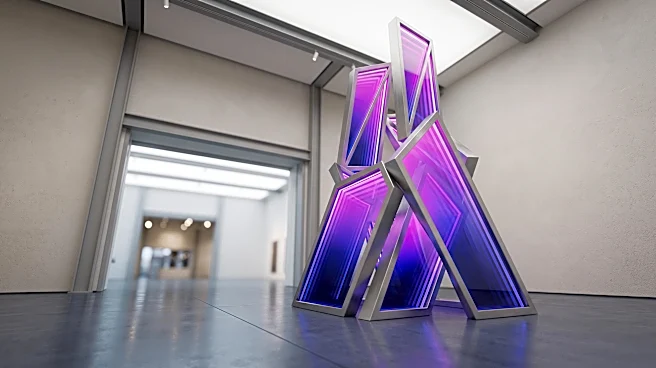
What began as a crisis response quickly became a core part of the festival's strategy. The LFF didn't just put movies online; it blew the very definition of 'film festival' wide open. The most significant innovation is LFF Expanded, a dedicated program for immersive and interactive storytelling that is now in its sixth year. Instead of just watching a screen, attendees can now experience virtual reality (VR) documentaries, artificial intelligence-driven art installations, and even a curated selection of video games in the 'Games Lounge'. The 2026 festival features nine such projects, including 'Water Body', an immersive experience exploring ecosystems, and 'Red the Ocean Around U', an AI-guided digital world. The festival also embraced high-end television, incorporating 'Series' into its official program alongside feature films.
From London-Only to UK-Wide
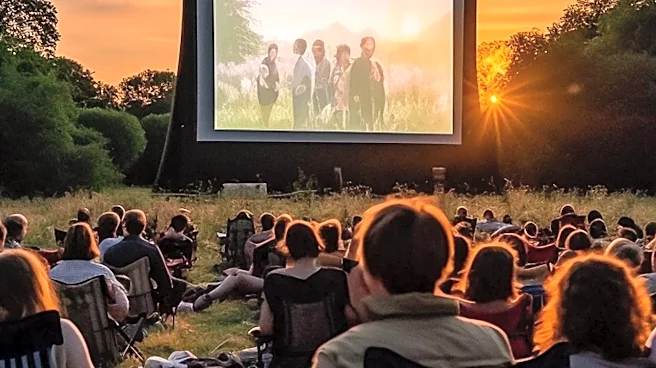
The digital pivot also solved a geographic problem. For most of its history, the LFF was an event largely for those who could be in London. The hybrid model changed that permanently. The festival now operates as a dual-track event: a vibrant, in-person festival in London's flagship venues, and a simultaneous national festival for the rest of the country. A curated selection of films and talks are made available online via the BFI Player, and the festival partners with cinemas in cities across the UK to host screenings. This has fundamentally altered the festival's audience, transforming it from an exclusive metropolitan gathering into a more democratic, accessible cultural event for film lovers across the nation.