




The Unblinking Eye: Stability as a Trap
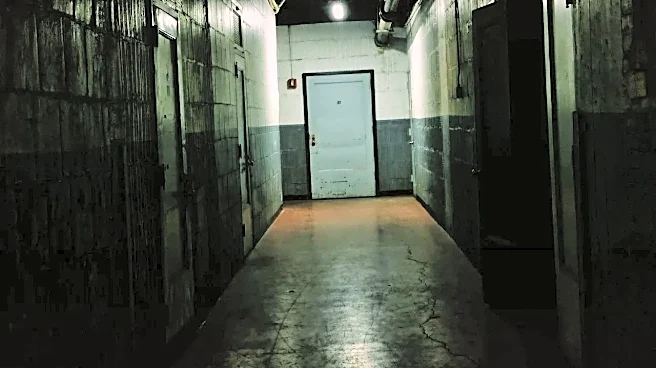
A locked-off, or static, shot is exactly what it sounds like: the camera is placed on a tripod and doesn't move. There are no pans, tilts, or zooms. It just sits and observes, like an unblinking eye. While this might sound boring, in horror, it’s a masterclass
in psychological manipulation. This technique weaponizes stillness to create a unique and deeply unsettling form of dread. Because the frame is fixed, the audience is forced to become an active participant in their own fear. Your eyes instinctively scan every corner of the screen, searching for what doesn’t belong or what might be about to enter. Filmmakers use this to turn a familiar space, like a bedroom or a kitchen, into a hunting ground. The dread comes not from a jump scare, but from the agonizing anticipation of one. The 2007 blockbuster Paranormal Activity is a landmark example, using static security-camera-style footage to make audiences hold their breath, waiting for a door to move or a shadow to shift. The stillness makes any tiny change feel monumental and sinister. The camera's refusal to guide you means you are alone with your paranoia, trapped in a frame where the environment itself feels like a patient predator.
The Shaky Truth: Immersion Through Chaos
On the opposite end of the spectrum is the frantic, messy energy of handheld horror. Popularized by 1999’s cultural phenomenon The Blair Witch Project, this style throws the filmmaking rulebook out the window. Instead of a stable, observational camera, the lens becomes an extension of a character's body and their panicked state of mind. The shaky movements, the blurred focus, and the obstructed views aren't mistakes; they are the entire point. Handheld camerawork creates a sense of immediacy and raw authenticity. You’re not just watching a character run from a monster; you are running with them. The chaos of the frame mirrors the chaos in their head, short-circuiting the part of your brain that remembers you're safely on your couch. This technique builds dread through disorientation and sensory overload. What you can’t see is often more terrifying than what you can, and a jerky camera is perfect for offering fleeting, terrifying glimpses that your mind has to fill in. Films like REC and Cloverfield use this to perfection, making city-destroying monsters and apartment-building zombies feel terrifyingly real and personal.
A Question of Control and Perspective
Ultimately, the difference between these two styles comes down to how they manipulate the viewer's sense of control. The locked-off shot creates dread by establishing a false sense of security. The frame is stable and predictable, which makes the violation—when something finally happens—all the more jarring. It positions the viewer as a helpless voyeur, unable to look away or intervene as the horror unfolds methodically. You see everything, and your powerlessness is the source of the terror. Handheld horror, conversely, builds dread by stripping away all control from the very beginning. The camera’s erratic movement communicates that the situation is already out of hand. There is no safe distance; you are immersed in the panic. This style taps into a primal fear of the unknown, as the unstable frame constantly hides potential threats. It's the difference between dreading what you can see coming and being terrified by what you can't.