





The Seduction of 'More'
There’s an undeniable allure to a flashy performance. It’s the acting you can see: the dramatic weight loss or gain, the uncanny prosthetic work, the explosive bursts of anger or gut-wrenching sobs. This is what critics often call 'Most Acting.' These
performances are engineered to be seen from the back row, demanding attention through sheer volume and visible effort. They often become 'Oscar bait' because they offer tangible proof of transformation, making them easier for awards voters to recognize and reward. Think of dramatic physical changes for a biopic or a big, theatrical turn in a historical epic. It's an understandable impulse to applaud the spectacle. The craft is visible, the effort is palpable, and the result is often an impressive technical feat. The performance announces itself as a performance, and in the competitive landscape of Hollywood, loudness is often mistaken for greatness.
Finding Drama in Stillness
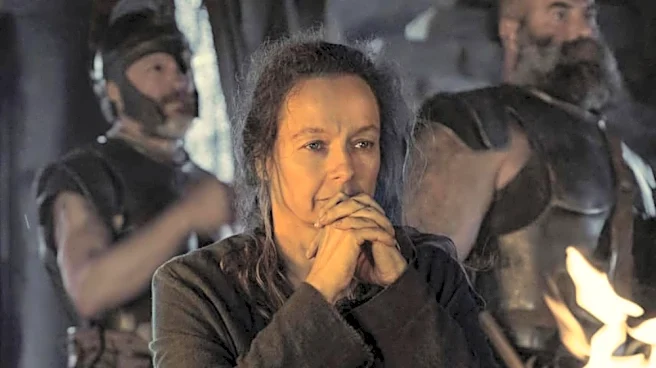
But the real magic often happens in the quiet. Subtle acting isn't about doing nothing; it's about doing just enough. It's found in the space between lines, a flicker of thought behind the eyes, or the way a character listens when someone else is speaking. This approach trusts the audience to lean in and connect the dots. Instead of showing an emotion, a minimalist actor lets the audience feel it with them. This requires immense control and a deep internal life for the character. The camera is the quiet actor's best friend, magnifying micro-expressions and the smallest, most authentic gestures that would be lost on a stage. A held gaze or a slight shift in posture can convey a novel's worth of subtext, creating a performance that feels less like acting and more like being. It’s a confidence in storytelling that doesn’t need to shout to be heard.
The Power of the Unseen
Think of a film where one actor delivers a performance of explosive rage while another simply stands and absorbs it. Who do you watch? Often, the power isn't in the person yelling; it's in the person enduring the tirade, their reaction contained in a clenched jaw or a steady, unbroken gaze. Quiet performances don't just exist alongside flashier ones; they often expose their mechanics. While a showy performance might demonstrate an emotion, a subtle one lets you discover it. This creates a more intimate and participatory experience for the viewer. Actors who master this—those known for their economy and precision—create characters that feel startlingly real. They leave room for mystery, allowing audiences to project their own feelings and interpretations onto the character, making the connection far more personal and memorable. The performance haunts you because you completed it in your own mind.
Redefining What 'Best' Looks Like
The tendency to reward 'most acting' has led to a kind of awards-season homogenization, where big emotions and physical transformations are seen as the pinnacle of the craft. But great acting is not a monolith. It exists in the quiet desperation of a character trying to hold it together, the silent communication between two people in love, or the unnerving stillness of someone contemplating a difficult choice. Appreciating quiet acting is about recalibrating our understanding of what constitutes a great performance. It’s about celebrating internal truth over external display. It’s recognizing that the hardest thing for an actor to do is often not to break down and cry, but to convincingly fight back the tears. The most powerful moments in cinema are often the most human ones, and humanity is rarely performed at maximum volume.