



The Seductive, Simple Promise
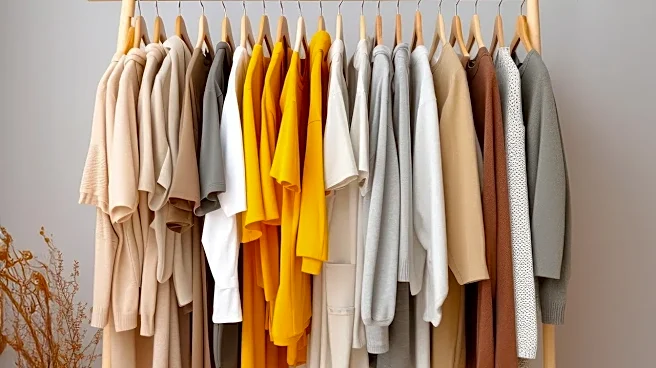
The appeal of the capsule wardrobe is undeniable. In a world of overwhelming choice and closets overflowing with clothes we don't wear, it offers a radical solution. The vision is one of effortless elegance. You wake up, pull two or three items from a tidy
rack of perfectly curated basics, and walk out the door looking put-together. It’s meant to reduce decision fatigue, save money, and promote a more sustainable way of living by focusing on high-quality, versatile pieces. This idyllic image promises to cure the classic “loset full of clothes, nothing to wear” syndrome that plagues so many American shoppers.
Chasing the Wrong Culprits
When a capsule wardrobe fails, the first-timer’s diagnosis is usually tactical. “I picked the wrong number of items.” “My color palette was off.” “I shouldn’t have bought that trendy piece.” Influencers and guides often reinforce this, focusing on prescriptive rules like a specific number of items (Project 333 being a famous example) or a strict adherence to neutrals. While these logistical missteps can cause friction, they aren't the root of the problem. Obsessing over having 33 pieces instead of 40, or choosing navy over black, is like rearranging deck chairs on a sinking ship if the fundamental issue isn’t addressed.
The Real Culprit: Shopping for a Fantasy Life
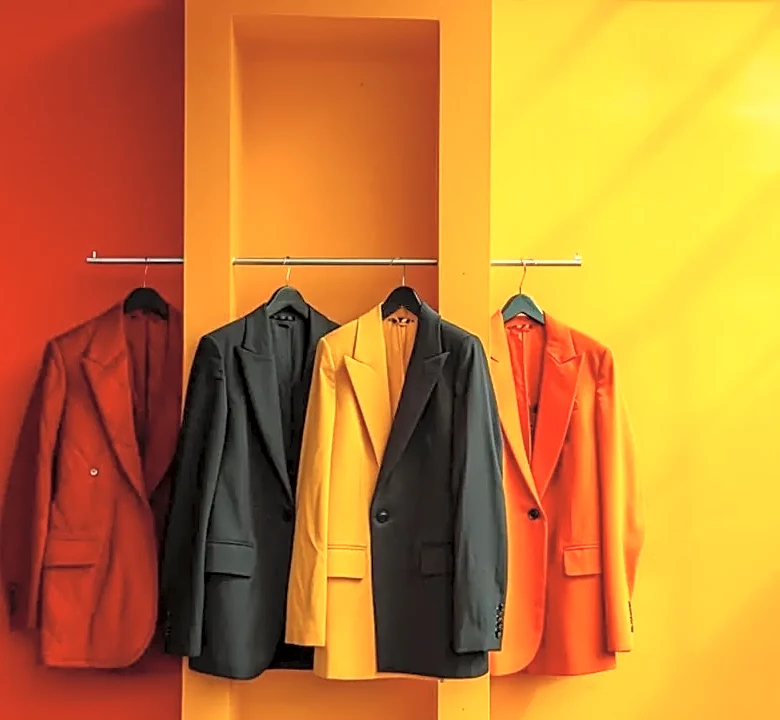
The real reason an American capsule wardrobe trips up first-time shoppers is psychological. We aren’t buying clothes for the life we have; we’re buying them for the idealized life we want. That collection of sharp blazers, silk blouses, and tailored trousers is for the effortlessly chic version of ourselves who goes to gallery openings, not the actual version who works from home and spends weekends running errands. This isn’t a personal failing; it’s the product of American consumer culture, which has taught us to see purchases as a form of transformation and self-expression. A capsule wardrobe project intensifies this pressure. Instead of a low-stakes jean purchase, building a capsule feels like a high-stakes declaration of identity. When our real, messy life doesn't match the clean, minimalist aesthetic of the clothes, we feel like we've failed.
America's Built-In Conflict with 'Less'
The entire concept of a capsule wardrobe runs counter to the DNA of American consumerism. We live in a marketplace built on novelty, speed, and abundance. Fast fashion drops weekly, sales cycles are relentless, and social media creates a constant stream of new 'must-have' items. The philosophy of “buy less, but better” is a quiet rebellion against a system designed to make you feel perpetually behind. Trying to build a permanent, limited wardrobe in this environment is like trying to meditate in the middle of a rock concert. The external pressures to consume, to find your identity in the next purchase, and to chase trends are immense, making the discipline required for a capsule feel restrictive and unnatural.
A Wardrobe for Your Actual Life
The solution, then, isn’t a better set of rules, but a more honest starting point. A successful capsule wardrobe isn’t built from a Pinterest board; it's built from a life audit. Before you even look at your closet, look at your calendar. What do you actually do all week? How much time is spent at a desk, chasing a toddler, at the gym, or socializing? Your wardrobe should reflect the reality of your life, not someone else's formula. If you work from home, your “core basics” might be high-quality knitwear and comfortable pants, not a fleet of blazers. If your weekends are for hiking, your investment pieces should be durable outerwear, not delicate heels. The goal is to build a uniform for your real life, making it a tool for ease, not a test of aspiration.