
The Death of Genre, The Rise of the 'Everything' Artist
Look at the top of the bill for the festival, happening September 18 and 19 in Las Vegas, and you won’t find siloed genres. You’ll find massive, multi-quadrant brands. Acts like BTS and Cardi B don't just dominate one category; they are the category.
They collaborate across styles, command social media, and drive culture far beyond music. This reflects a fundamental shift in how we listen. In the age of streaming, audiences build playlists based on mood, not genre labels. The festival's inclusion of Major Lazer (dance), Lainey Wilson (country), and Snoop Dogg (hip-hop) on the same bill isn’t chaos; it’s a mirror of a typical Spotify user's saved library. The lesson here is that the most valuable asset in music today isn't a hit song, but a globally recognized personal brand that can travel from a hip-hop track to a country duet without skipping a beat.
Nostalgia Is the New Headliner
While the lineup is packed with current chart-toppers, it’s also heavily invested in the past. But it’s not just any past. The presence of 90s alt-rock bands like Goo Goo Dolls, Weezer, and The Smashing Pumpkins speaks volumes. These aren't just legacy acts; they are the soundtrack to the formative years of millennials who now have disposable income. This isn't your parents' classic rock. It's a calculated play for the generation that grew up on MTV and rock radio. The addition of Ciara, whose hits dominated the mid-2000s, reinforces this trend. The festival understands that nostalgia is a powerful driver, and it has pinpointed the exact era that resonates with a key demographic. It’s a reminder that in a fractured media landscape, shared memories are one of the few things that can still unite a massive audience.
The TikTok-to-T-Mobile Arena Pipeline
If you want to see the new fast track to stardom, look no further than Benson Boone and the “special performance by Stella Lefty.” Both represent a new kind of artist development happening in plain sight on social media platforms. Boone's rise from TikTok to a major festival stage is a well-documented example of how viral moments can translate into real-world ticket sales. Stella Lefty is highlighted as the lineup's fastest-rising newcomer, signifying the industry's need to capture lightning in a bottle. These bookings show that a sustained, years-long climb up the industry ladder is no longer the only path. An artist can now build a massive, dedicated following online and effectively force their way onto major stages. For the industry, it's a lesson in agility: pay attention to what's trending, because today's viral star is tomorrow's festival draw.
Global Dominance and Niche Power
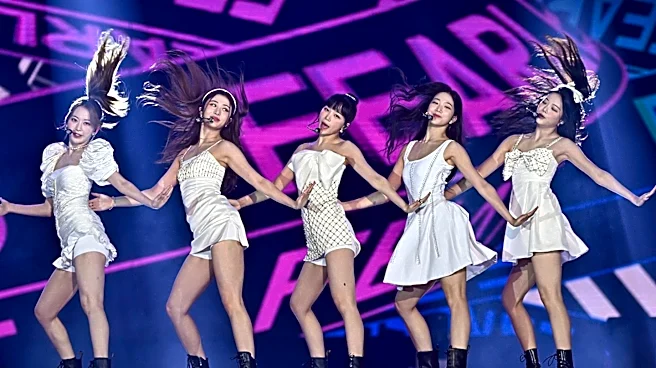
The inclusion of K-pop titans BTS and LE SSERAFIM is arguably the most significant lesson of all. It’s the undeniable acknowledgment that a non-English act can be the biggest draw on an American festival lineup. For years, the U.S. market was notoriously difficult for foreign-language artists to crack. BTS didn't just crack it; they shattered it. Their top billing isn't a diversity initiative; it's a business decision based on their immense popularity and the devotion of their fanbase. Alongside them, you have more targeted plays like Muse, who command a specific and loyal rock audience. This dual strategy—booking globally dominant superstars while also serving dedicated niche fanbases—is how you build a lineup that feels both massive in scale and personally relevant to different segments of the audience.