
From Humble Fair to Urban Sprawl
Before the drone shots, the network TV specials, and the half-million fans taking over downtown Nashville, there was Fan Fair. Launched in 1972, the original event was a charmingly modest affair held at
the city’s Municipal Auditorium. It was created with a simple, powerful idea: give fans a dedicated space to meet their favorite country stars. For a few thousand attendees, it was a chance to get an autograph from Johnny Cash or a photo with Dolly Parton in a low-key, almost homespun environment. Through the '80s and '90s, it moved to the Tennessee State Fairgrounds, retaining its core identity as an industry-endorsed meet-and-greet with some music on the side. It was for the die-hards, an insider event that felt more like a sprawling family reunion than a blockbuster festival.
The Downtown Gamble That Paid Off
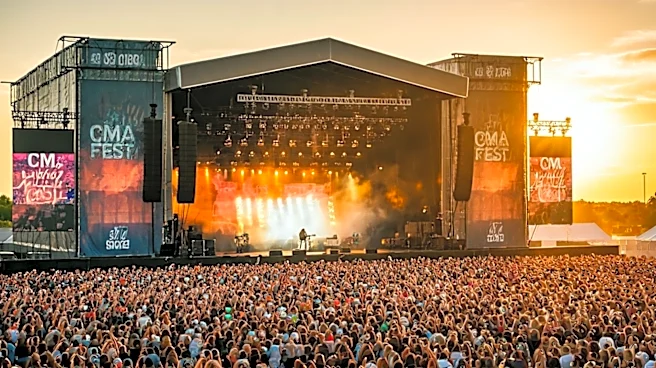
The turn of the millennium marked a pivotal change. In 2001, the event moved from the sleepy fairgrounds to the heart of downtown Nashville. It was a massive gamble. Instead of a single, ticketed location, the festival would now sprawl across the city, utilizing public parks, the riverfront, and the then-new stadium. This move physically integrated the festival with the honky-tonk circuit of Lower Broadway for the first time. Suddenly, the official stages and the unofficial party bleeding out of bars like Tootsie’s and The Bluebird Cafe were part of the same ecosystem. In 2004, the name officially changed from Fan Fair to the CMA Music Festival, signaling a shift in ambition. It was no longer just about meeting the fans; it was about creating a world-class musical event that would define the city for four days a year.
Building the Bridge to Prime Time
With a new name and a spectacular downtown setting, the festival was now perfectly positioned for its close-up. While TV specials had existed before, the modern partnership with ABC, which began in earnest in the mid-2000s, transformed the festival's national profile. This is the crucial “bridge” in the headline. The ABC special isn't a live broadcast but a masterclass in production. Over four days, camera crews capture dozens of performances, surprise collaborations, and artist interviews. Then, they spend weeks editing it all down into a polished, three-hour highlight reel that airs later in the summer. This broadcast creates a second, distinct version of the festival. It smooths the edges of the chaotic, sweaty, 400,000-person street party and repackages it as a pristine showcase of country music’s biggest hits and brightest stars for millions of viewers at home.
Two Festivals, One Name
Today, CMA Fest operates on two parallel tracks. For the fans who make the pilgrimage to Nashville, it is an immersive, often overwhelming, marathon of live music. They navigate huge crowds, stand in long lines, and discover new artists on free stages while hoping to catch a glimpse of a headliner. For the television audience, it’s a perfectly paced concert featuring flawless sound and A-list collaborations. The artists themselves are keenly aware of this duality. A star playing the main stage at Nissan Stadium knows they are performing for the 70,000 people in front of them *and* for the cameras that will beam their performance to a national audience weeks later. This dual purpose has turned CMA Fest into a unique engine for the genre, capable of servicing its most dedicated fans in person while simultaneously creating a powerful marketing tool to attract new ones through television.