






More Than Just Pretty Stitches
A red carpet gown lives a double life. In the chaotic, flash-filled environment of the step-and-repeat, it must be a work of art. But its second, arguably more important life, begins when its image is beamed onto millions of television, computer, and phone
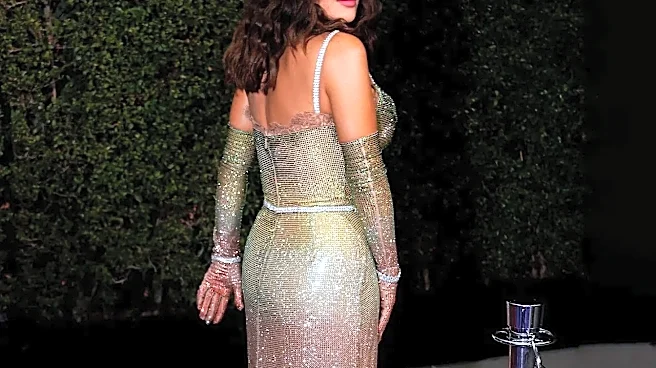
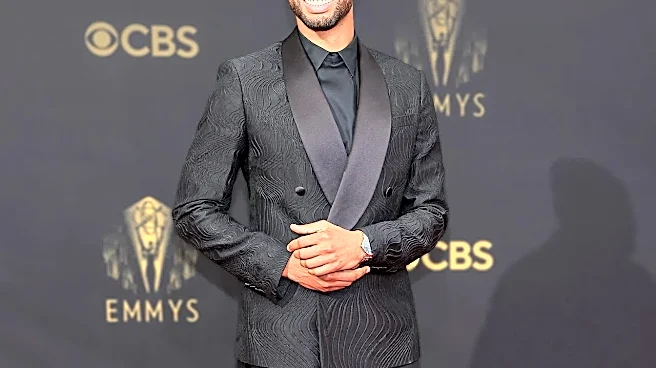
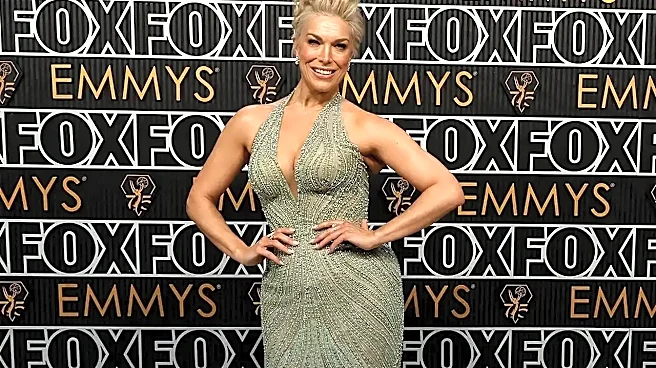
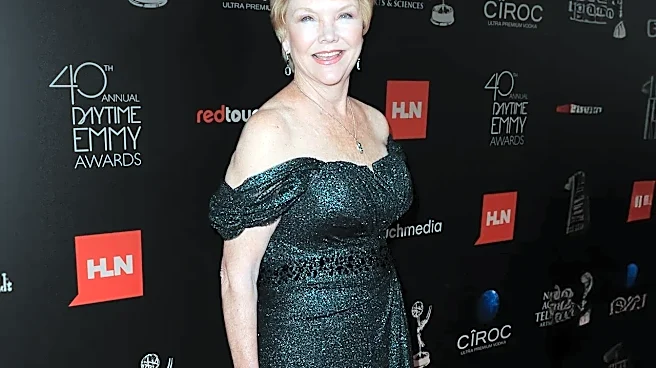
screens. What looks like a delicate shimmer in person can become a blown-out, distracting glare under intense broadcast lighting. A subtle pattern can completely disappear. This is the core challenge for designers: creating surface detail that reads clearly and beautifully through a lens. The solution lies in a specialized approach where art meets science, and ancient craft meets modern broadcast technology. Designers must consider how fabrics and embellishments will interact with television lighting, which often favors matte finishes and streamlined details to avoid creating undesirable hot spots or color shifts on camera.
The Anonymous Artisans of the Red Carpet
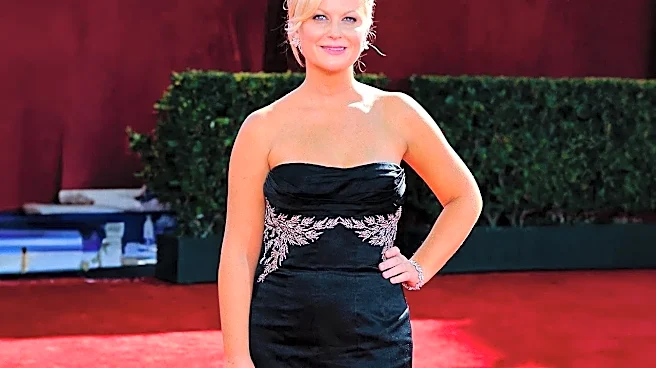
Behind many of the most memorable Emmy gowns are teams of highly skilled embroiderers working in specialized ateliers. These artisans, often uncredited, are the unsung heroes of couture. They translate a designer's vision into a tangible, wearable piece, spending hundreds, sometimes thousands, of hours applying beads, sequins, crystals, and thread by hand. Some gowns are the work of legendary embroidery houses that have existed for over a century, passing down techniques from generation to generation. While many high-profile pieces for film and television are completed using sophisticated machinery to save time, the most prestigious red carpet looks often rely on hand-embroidery for its unparalleled quality and depth. These artists aren't just sewing; they are sculpting with thread and light.
A Masterclass in Designing for the Lens
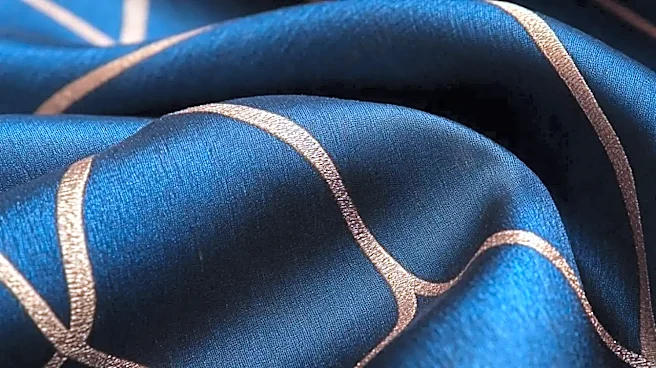
Making embroidery camera-ready is a specific skill. Raised stitches, such as padded satin stitch or corded techniques, create a three-dimensional effect that adds depth and texture visible from a distance. This prevents the design from looking flat on screen. Another key strategy is mixing materials with different finishes. An embroiderer might combine matte sequins with reflective crystals and metallic threads. This creates a dynamic, layered shimmer that catches the light in varied ways, producing a lively texture rather than a flat, uniform shine. Jewel tones and dark, saturated colors are often favored for broadcast as they provide a strong canvas for embellishments and translate well on screen. The goal is to create visual interest that enhances the gown's silhouette without overwhelming it.
A Calculated Game of Light and Texture
The choice of materials is deliberate and highly calculated. For instance, some crystals are chosen specifically for how they refract light, creating a sparkle that is picked up by camera sensors without causing a lens flare. Fine beadwork and micro-sequin overlays are selected to create a fluid, shimmering effect that looks dynamic as the celebrity moves. Even the type of thread is critical. Metallic threads can be used to emulate the look of traditional goldwork, giving a costume a regal and historic feel that reads as opulent on camera. In some cases, embroiderers even use reflective threads that react uniquely to certain types of light, ensuring the garment has a different life under flash photography versus the steady glare of television lights. It’s a painstaking process of balancing texture, reflectivity, and color to achieve the perfect on-screen result.
From Sketch to Last-Minute Stitches
The journey of an embroidered gown is a high-pressure collaboration between the celebrity, their stylist, the fashion designer, and the embroidery atelier. It begins with a sketch and a concept, often months before the event. Once the design is approved, the embroiderers begin the intensive work, meticulously applying each element. The process often involves creating multiple samples to test how different material combinations will appear on camera. For period productions, extensive research is done to ensure the embroidery style is historically accurate, conveying a character's wealth or status. The final weeks leading up to the Emmys are a frantic race to the finish, with last-minute adjustments and stitches often being applied right up until the moment the star steps out of the car and onto the red carpet.