





Hollywood's Unlikely Style Rebel
For years, the leading men of Hollywood have adhered to an unspoken uniform: a well-fitted, dark-colored suit, a crisp shirt, and polished dress shoes. It’s safe, it’s masculine, it’s… boring. Then there’s Chris Pine. The actor has embarked on a style
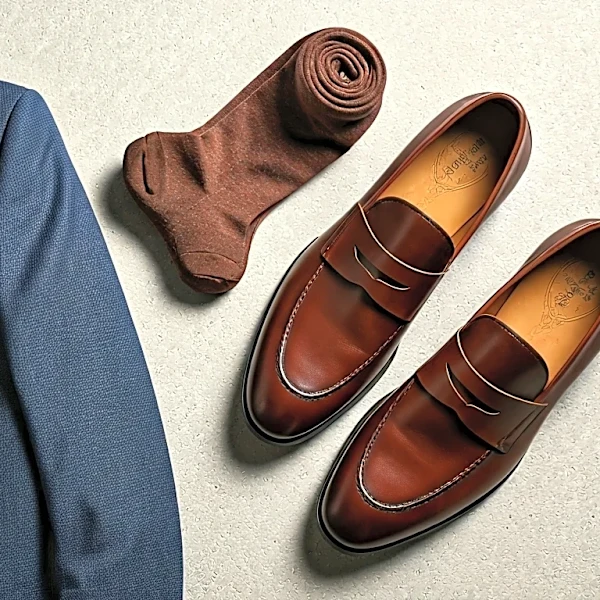
renaissance, trading in predictable premiere-wear for a wardrobe that feels personal, playful, and refreshingly unbothered. We’ve seen him in a brown short-suit paired with loafers, looking like he just strolled out of a 1960s Italian film. He’s embraced the Zorro-adjacent look with flowing shirts and high-waisted trousers. He's worn ballet flats, tiny tank tops, and an array of gloriously wide-legged pants. This isn't the work of a man trying to land on a best-dressed list; it’s the work of a man who seems to genuinely enjoy clothes and the characters they allow him to play, even when he's just getting coffee.
A Primer on Pitti Uomo
To understand Pine’s style choices, you first need to understand Pitti Uomo. Held twice a year in Florence, Italy, it’s technically a menswear trade show where brands and buyers meet. But its global reputation isn't built on what happens inside the exhibition halls. It’s built on the impromptu runway that forms on the plaza outside. Here, the world’s most stylish men—editors, buyers, models, and influencers known as “Pitti Peacocks”—gather to be seen. The prevailing aesthetic is a uniquely Italian concept called “sprezzatura,” which roughly translates to a studied carelessness. It’s about looking impeccably dressed, but in a way that seems effortless and entirely personal. It’s about mastering the rules of classic tailoring just so you can artfully break them.
The 'Risky' Side of Sprezzatura
The “risk” at Pitti Uomo isn’t about being sloppy. It’s about challenging the rigid conventions of masculinity. Instead of a standard navy suit, you’ll see men in soft, unstructured jackets in shades of cream, rust, or olive. Trousers are rarely standard; they’re often high-waisted, pleated, and dramatically wide or sharply cropped at the ankle. Accessories are key: a jaunty neckerchief instead of a tie, sockless loafers, a perfectly folded pocket square that clashes just so with the jacket. It’s a masterclass in silhouette and texture. The risk lies in prioritizing personal flair over conformity. It’s a statement that says, “I know the rules, but my own taste is more interesting.” This philosophy celebrates a softer, more expressive form of menswear that has been slow to penetrate the hyper-masculine bubble of Hollywood action stars.
Where Pine and Pitti Intersect
This is where Chris Pine’s sartorial journey clicks into place. He isn't just wearing weird outfits; he’s adopting the core tenets of the Pitti Uomo playbook. His love for flowing, wide-leg linen trousers is pure Florentine summer. His tendency to pair a tailored jacket with a casual tank top or an open shirt speaks to that high-low mix central to sprezzatura. When he wore a shorts suit, he wasn't just being trendy; he was playing with tailoring proportions in a way that would earn a nod of approval from any Pitti regular. He channels the same nonchalant confidence. The outfits feel chosen, not assigned. He’s bringing a continental European sensibility—where dressing well is a form of self-expression, not just an obligation—to the American mainstream. He’s proving that a leading man can be interested in aesthetics, fluidity, and fun without sacrificing his star power.