




The Power of the Wide Frame
What makes 'Halloween' so effective is a technique film buffs call 'background blocking' or 'deep space staging'. On a shoestring budget of around $300,000, director John Carpenter and cinematographer Dean Cundey made a crucial decision to shoot the film in a wide
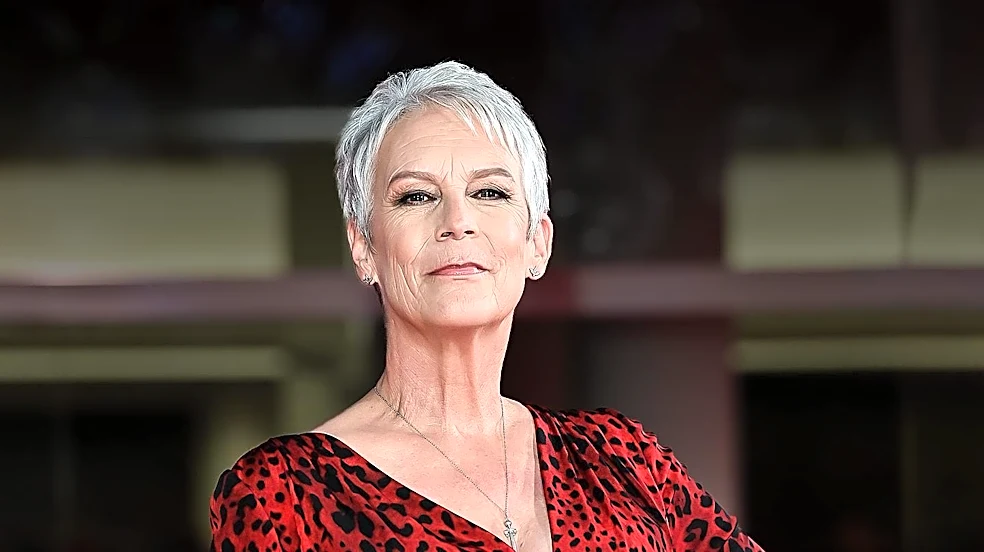
anamorphic format. This was unusual for a low-budget horror film at the time, as the format was typically reserved for big Hollywood epics. But Carpenter understood something fundamental about fear: sometimes, what's scariest is the empty space around a character. The wide frame creates vast, open areas within the shot, especially in the seemingly safe suburbs of Haddonfield. Our eyes are naturally drawn to the main character, like Laurie Strode (Jamie Lee Curtis), but the extra room on the sides and in the background feels pregnant with possibility—and menace.
Turning the Viewer into a Watcher
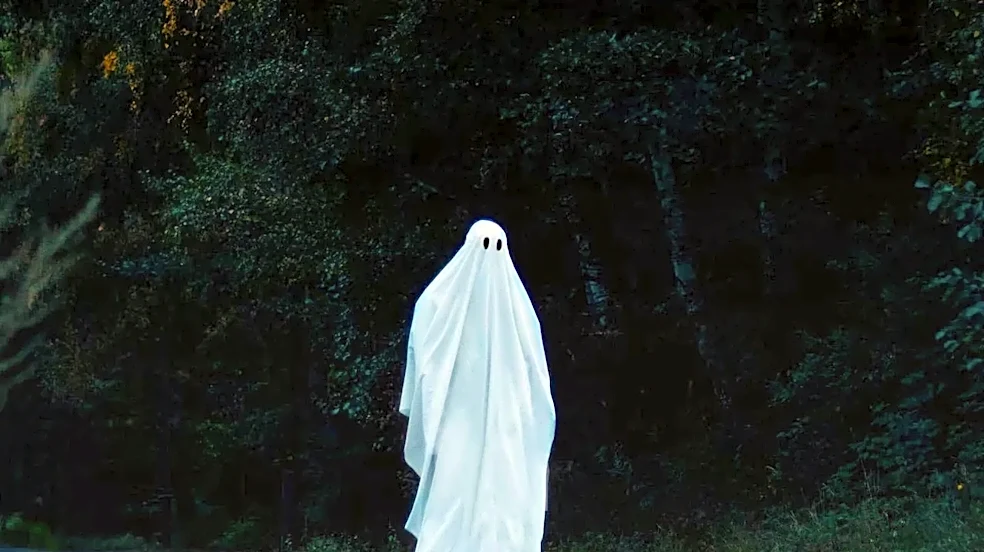
Carpenter and Cundey weaponized this empty space. They repeatedly place Michael Myers deep in the background, sometimes as a blurry figure, a shadow, or a static presence that is easy to miss. Think of the scene where Laurie walks home from school; Michael is seen standing still across the street, a pale, ghost-like figure in the bright daylight. Later, as she talks on the phone, he appears behind a hedge, almost blending into the scenery. This technique does something psychologically brilliant: it forces the audience to actively scan the frame for threats, just as a real person would in a state of high alert. You stop passively watching Laurie and start actively searching the background, the doorways, and the dark windows. The film trains you to be paranoid, making you complicit in the act of watching and waiting. Every mundane shot becomes a source of potential terror.
Making Safety an Illusion
The genius of this approach is how it dismantles any sense of safety. Horror often relies on jump scares, where the monster appears suddenly from off-screen. 'Halloween' does that, but its most unsettling moments come when the killer is in plain sight, far away. He doesn't need to jump out; his mere presence is enough to create anxiety. By showing Michael observing his victims from a distance, Carpenter transforms the entire town of Haddonfield into a hunting ground. A quiet suburban street, a backyard with laundry lines, a classroom window—these are no longer safe spaces. They are stages for a predator. The wide shots make the characters appear small and vulnerable, dwarfed by their environment and the unseen threat it holds. When Michael finally does attack, the violence is simply the confirmation of a dread that has been building in the background for the entire film.
A Legacy of Dread
While Carpenter didn't invent deep-focus cinematography, his application of it in 'Halloween' set a new standard for the slasher genre. The film's visual language wasn't just about showing a monster; it was about creating a pervasive mood of vulnerability and inescapable fear. This focus on background dread and forcing the audience's eye to search for the killer has influenced countless horror films since, from 'It Follows' to many modern indie horror hits that prioritize atmosphere over gore. The decision to make the viewer feel like a participant, constantly on edge and scanning the corners of the frame, is a key reason why 'Halloween' remains so deeply unsettling decades later. It's a masterclass in minimalism, proving that the fear of what you can barely see is often more powerful than what’s right in front of you.