


The Master of the Telecaster
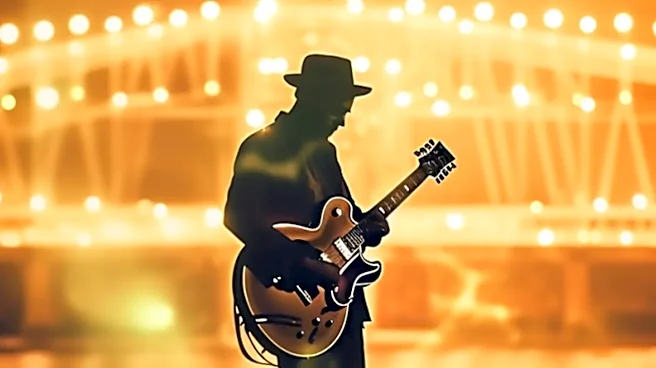
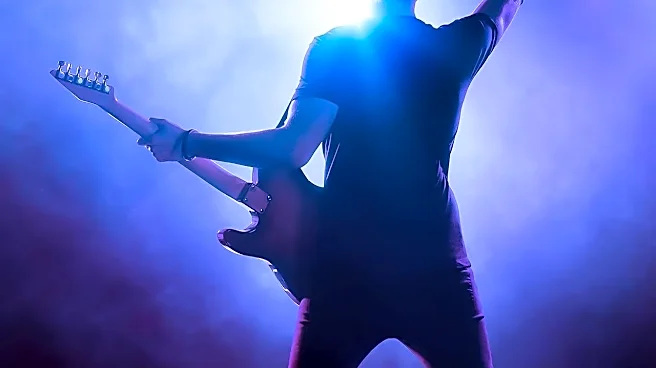
They called him “The Iceman” and “The Master of the Telecaster” for a reason. While other guitarists wrestled with Gibson Les Pauls and Stratocasters, Collins found his voice in the bright, biting tone of the Fender Telecaster. But the guitar was only
part of the equation. The real magic was in his hands and his head. Collins famously used an unorthodox open F-minor tuning (F-C-F-Ab-C-F), a trick he learned from his cousin. This tuning, combined with his habit of placing a capo high up the guitar's neck, gave him access to notes and voicings other players simply couldn't find. Instead of a pick, he used his fingers, attacking the strings with a percussive snap that became his sonic signature. The result was a sound that was piercing, funky, and utterly his own—a sound that couldn't be easily copied or categorized.
A Career Reborn in a Houserockin' Style
Collins kicked off his career in Houston in the 1950s, scoring regional hits with instrumentals like “The Freeze” and the million-selling “Frosty.” He was a Texas bluesman through and through, influenced by greats like T-Bone Walker and Gatemouth Brown. For years, he was a respected figure but remained largely a musician's musician. That all changed in 1978 when he signed with Chicago’s Alligator Records. The label, dedicated to what it called “genuine houserockin' music,” knew exactly what to do with Collins. They didn't try to sand down his sharp edges; they polished them. The resulting album, “Ice Pickin',” was a critical and commercial breakthrough, earning a Grammy nomination and an award at the Montreux Jazz Festival. This second act introduced Collins to a whole new generation of rock and blues fans, cementing his status not as a relic, but as a vital, contemporary artist.
The Unchanging Cool of the Showman
An Albert Collins show was an event. He was famous for his use of a long guitar cord—sometimes reportedly up to 300 feet—that allowed him to leave the stage and wander deep into the audience, all without missing a note. There are legendary stories of him walking out of the club, still playing, to order a pizza next door and returning to the stage without breaking his solo. This wasn't just a gimmick; it was a way of breaking down the wall between the performer and the crowd. He connected with people directly, his humorous, down-to-earth presence a perfect counterpoint to his intense, stinging guitar lines. While other musicians in the 70s and 80s were building elaborate stage shows and cultivating an air of detached rock-god mystique, Collins was walking among his fans, sharing a joke, and reminding them that the blues was music for the people.
A Legacy That Won't Melt
Trends came and went. Psychedelic rock, arena rock, new wave—Collins played through it all. He shared a Grammy for the 1986 album “Showdown!” with fellow bluesmen Robert Cray and Johnny Copeland and even performed at the global Live Aid concert in 1985. His authenticity made him a sought-after collaborator for artists as varied as David Bowie and John Lee Hooker. His refusal to change with the times was, ironically, the very thing that kept him relevant. He wasn't chasing a sound; he was a sound. Younger guitarists, from Stevie Ray Vaughan to Robert Cray, studied his technique, trying to capture a piece of that icy fire. He proved that you don't have to follow the map if you have a strong enough compass. By staying true to his unique vision, he created a body of work that exists outside of time.