






A History of World Cup Heartbreak
To understand the tension, you have to look at the World Cup. On soccer's biggest stage, Argentina has been Mexico's recurring nightmare. Four times they have met, and four times Argentina has emerged victorious. While the first meeting was a 6-3 group
stage loss for Mexico in the inaugural 1930 tournament, the modern pain began in the 21st century. In consecutive World Cups, Argentina eliminated Mexico in the Round of 16. The 2006 match in Germany is particularly infamous for El Tri fans. After a hard-fought 1-1 draw in normal time, Argentine midfielder Maxi Rodríguez scored a sensational, once-in-a-lifetime volley in extra time, a goal that was both brilliant and devastating. Four years later in South Africa, Argentina convincingly won 3-1, sealing a pattern of knockout-stage dominance.
The Big Brother Dynamic
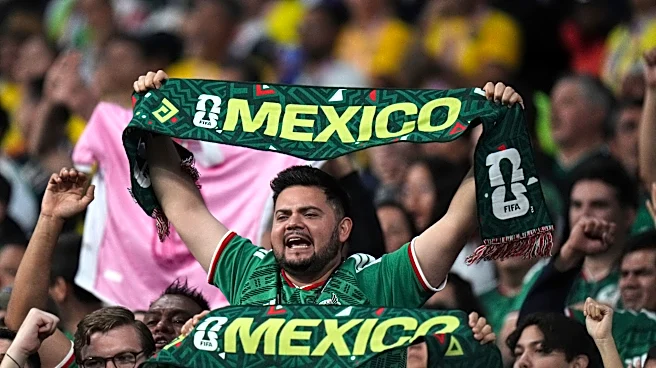
The rivalry is defined by a distinct power imbalance. Argentina is a three-time World Cup champion, a global giant that has produced two of the game's immortal icons in Diego Maradona and Lionel Messi. Mexico, while a consistent power in its own North American region, has a long-held ambition of reaching the World Cup quarter-finals on foreign soil, a dream often dashed by top-tier opponents like Argentina. This has created a one-sided rivalry. For Argentine fans, their biggest rivals are Brazil, England, or Germany. For many Mexican fans, however, the desire to finally beat Argentina in a meaningful match has become an obsession. The dynamic is less about shared animosity and more about Mexico's quest for validation against a team that has repeatedly stood in its way.
The Messi Factor
No single player embodies this lopsided history more than Lionel Messi. He was on the field in 2006 and played a central role in the 2010 victory. But his most critical intervention came at the 2022 World Cup in Qatar. After Argentina suffered a shocking opening loss to Saudi Arabia, their tournament hopes were on the line against Mexico. For over an hour, Mexico held them in a tense, scoreless deadlock. Then, Messi broke the game open with a brilliant long-range strike that shifted the momentum entirely. Argentina went on to win 2-0, a result that revitalized their campaign and ultimately led them to lift the trophy, while effectively ending Mexico's tournament. It was another chapter in the story: when the pressure is highest, Argentina, and specifically Messi, finds a way against Mexico.
More Than a Game
While players and some analysts downplay the rivalry's intensity, the feeling in the stands and online tells a different story. Clashes between fan groups have occurred at tournaments, and social media platforms light up with fierce debate whenever the teams meet. The rivalry is fueled by more than just soccer; it's a clash of two Latin American cultural powerhouses. There's a significant history of Argentine players and coaches finding success in the Mexican league, which adds another layer of complexity and familiarity to the matchup. Ultimately, the game becomes a stage for national pride. For Mexico, it's a chance to overcome a historical hurdle and prove they belong among the world's elite. For Argentina, it's about maintaining their status and avoiding a humbling defeat to an opponent who wants nothing more than to beat them.