

More Than Just a Game
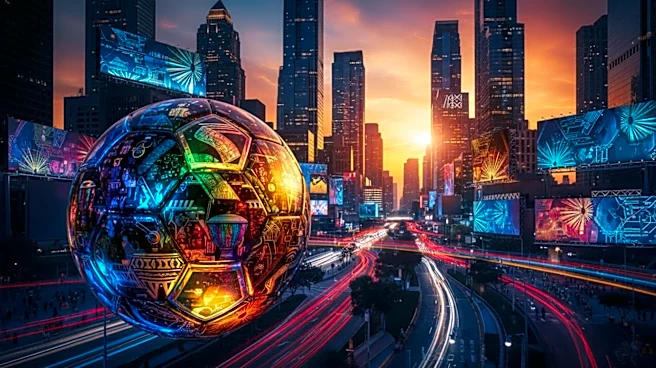
Hosting a World Cup Final is the pinnacle for any city, but for New York, it was never just about the match. From the moment it was announced, the final became a canvas for the city to project its status as the unofficial capital of the world. While the game
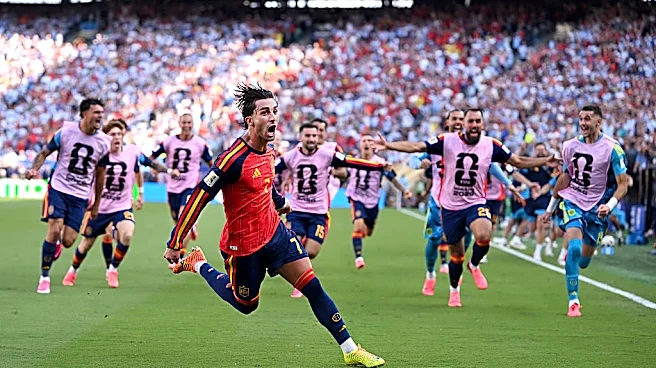
between Spain and Argentina provides the athletic drama, the city itself has become a co-star. Free, massive watch parties have sprung up across the five boroughs, from a 50,000-fan event on Central Park's Great Lawn to Brooklyn Bridge Park and Governors Island. These aren't just screens in a park; they are curated cultural events with international food vendors, live DJs, and family activities, reflecting the city’s melting-pot identity. It's a strategic move to ensure that every New Yorker and visitor, ticket or no ticket, feels part of the historic moment.
The Billion-Dollar Spectacle
The social whirlwind is powered by a massive economic engine. Projections estimated a $3.3 billion impact for the region, with over a million visitors flooding in. That forecast is now a vibrant reality. Luxury brands have seized the moment, with sponsors like Tequila Don Julio docking a megayacht at Chelsea Piers for a week of exclusive parties. At Rockefeller Center, the iconic ice rink was transformed into a fan village and broadcast hub, hosting everything from youth soccer clinics to high-end lounges for Visa Infinite cardholders. Even legislation was adjusted, with bars and restaurants gaining permission to serve alcohol until 4 a.m. to cater to the global audience and celebratory mood. This commercialization isn’t a byproduct of the tournament; it’s a central feature, blending sports marketing with New York’s signature hustle.
Where Stardom Meets Fandom
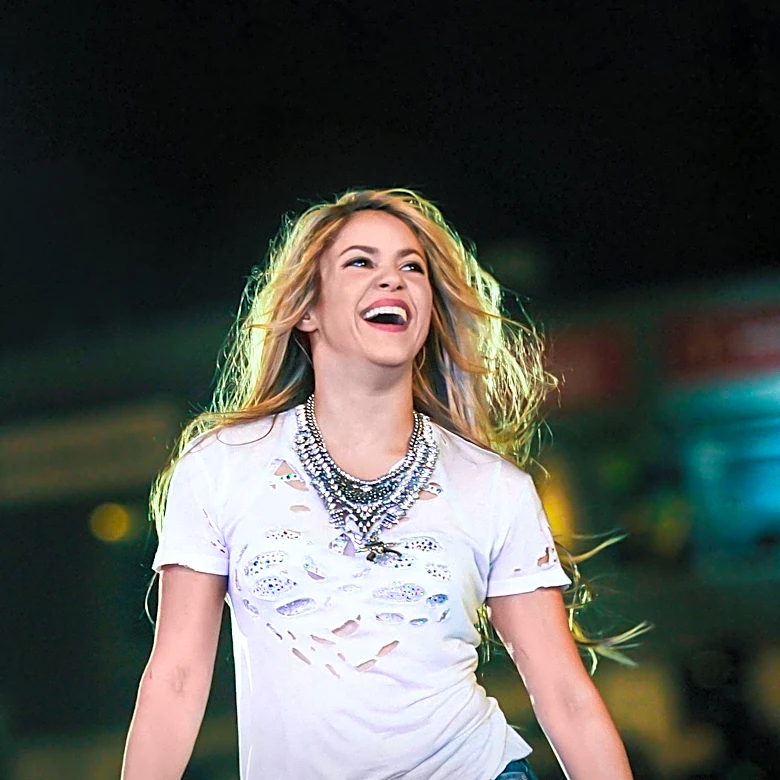
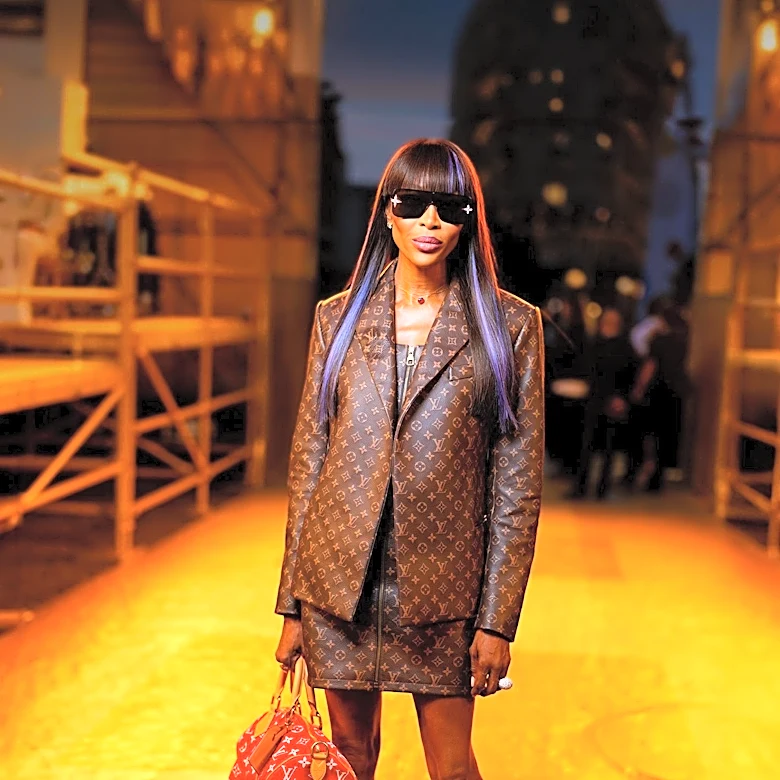
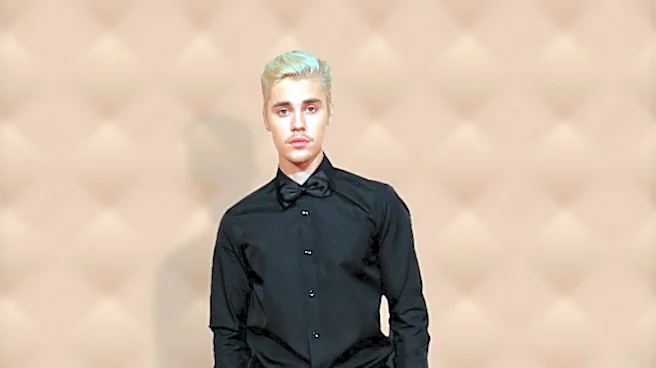
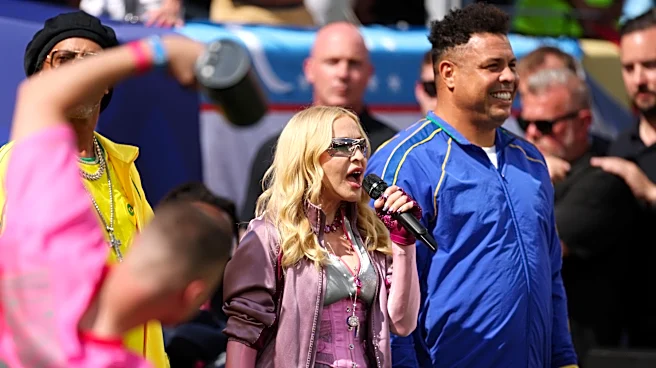
The World Cup Final has always been a magnet for celebrities, but New York’s ecosystem of fame takes it to another level. On the eve of the final, exclusive parties saw fashion, media, and finance elites mingling with soccer royalty. One event hosted by ELLE and Telemundo brought together figures like Sofía Vergara, Martha Stewart, and FIFA President Gianni Infantino. Meanwhile, Fanatics Fest at the Javits Center created a new kind of crossover event, mixing sports legends like David Beckham and Rob Gronkowski with wrestlers and content creators. The official closing ceremony is a spectacle in itself, promising appearances by Tom Cruise, Post Malone, and Shakira. This creates a dual reality for the Cup: the raw, passionate fan experience in places like Times Square, where thousands of Argentina fans gathered in the rain, and the insulated, ultra-exclusive VIP culture that defines modern mega-events.
A Uniquely American World Cup
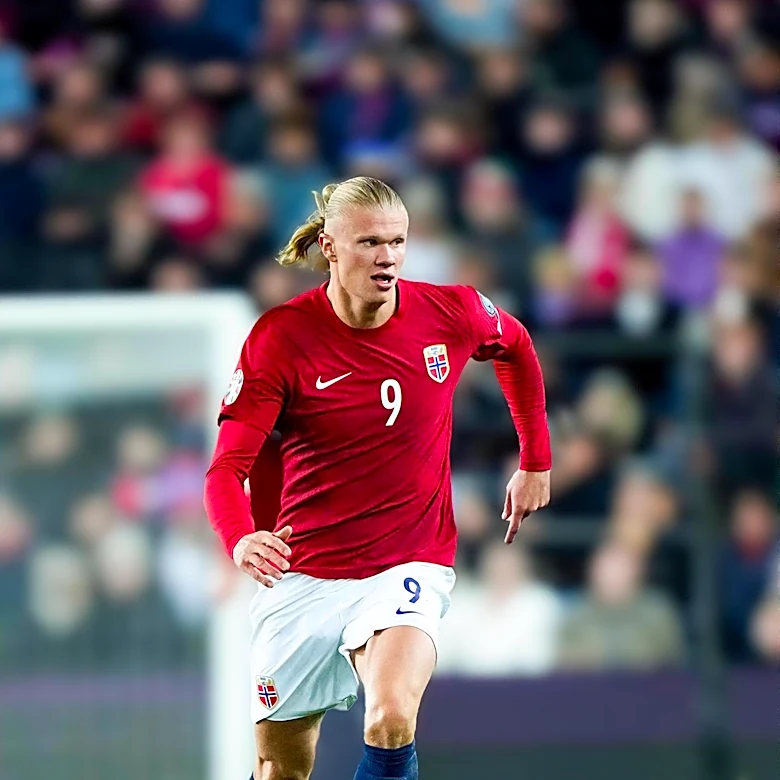
Ultimately, the social scene in New York has put a distinctly American stamp on the world's game. This isn’t the fan culture of Europe or South America; it's a hybrid. It's where the passion of global football is filtered through the lens of American celebrity, entertainment, and branding. The tournament's narrative is being shaped as much in the VIP lounges and on social media feeds as it is on the field. The pre-game tunnel has become a runway, and players are style stars. The entire final week feels less like a traditional sports championship and more like the Super Bowl meets Fashion Week meets the UN General Assembly. It's a loud, commercial, and star-studded affair that leverages the city's unmatched energy to create a global water-cooler moment.
